

Since taking over Disney in March, one of CEO Josh D’Amaro’s key priorities is to transform Disney+ into the company’s “digital centerpiece.” But what exactly does that mean?
That’s largely been interpreted as the executive’s desire to build a so-called “everything app” that folds e-commerce, messaging, games and entertainment into one program on your phone. Chief Financial Officer Hugh Johnston touted the opportunity to leverage Disney’s vast portfolio into an “all things entertainment” portal earlier this year.
The hope is a single powerful app can keep you engaged with its library of shows and movies while selling you theme park and cruise tickets and other related merch. The result could be a streamlined user experience with increased engagement, reduced marketing costs and the potential to boost pricing power through bundles.
“Are there opportunities for having one app for Disney? Yeah, over time, we do think that that’s out there, and with that, the parks will be integrated into all of that as well. To me, that’s a significant competitive advantage that’s awfully hard to replicate,” Johnston told the MoffettNathanson investor conference in May.
He touted the app’s ability to reach fans — “to basically sell them more, to build that emotional connection more and to expand the Disney franchise more.”
On paper, the idea of an app that can handle all of your customers’ ticketing and billing needs and keep them engaged through a vast library of entertainment is alluring. Tencent’s WeChat in China, Gojek in Indonesia and Grab in Southeast Asia are the most notable super app success stories, while in the U.S., Elon Musk has long tried to turn X into a super app — with little success.

But experts who spoke to TheWrap expressed skepticism that a super app would meaningfully move the needle for Disney. Enderle Group president and principal analyst Rob Enderle argued that it’s “designed to appeal almost exclusively to the massive fans who are already heavily invested” and could disrupt the experience of more casual fans if executed poorly.
“If a casual viewer is only subscribing to watch an occasional Marvel or Star Wars show, bundling in cruise itineraries and theme park ticketing doesn’t magically convert them into a lifetime customer. It just clutters their interface,” Enderle said.
And building such an offering takes a lot of time and investment. During a town hall last month, Adam Smith, Disney’s chief product and technology officer, told staffers they’re “a ways off” from building a super app and that there’s “nothing on the road map” in the near-term about bringing either cruises or theme parks into its unified Disney+-Hulu app, which is on track to launch by the end of the year.
Bundling in cruise itineraries and theme park ticketing doesn’t magically convert (users) into a lifetime customer. It just clutters their interface.”
– Enderle Group President Rob Enderle
“This is not primarily a technology company and it’s not their core competency. Disney fans do have some complaints already that some of the apps, especially trying to book tickets or hotels, can be a little slow and buggy. So [a super app] does sound like a really, really heavy lift,” Hub Entertainment Research senior consultant Mark Loughney told TheWrap. “We all thought that Hulu would be fully integrated into Disney+ by now and it hasn’t been. So this is going to take them several years.”
That’s not to say Disney isn’t going to try.
Disney declined to comment for this story.
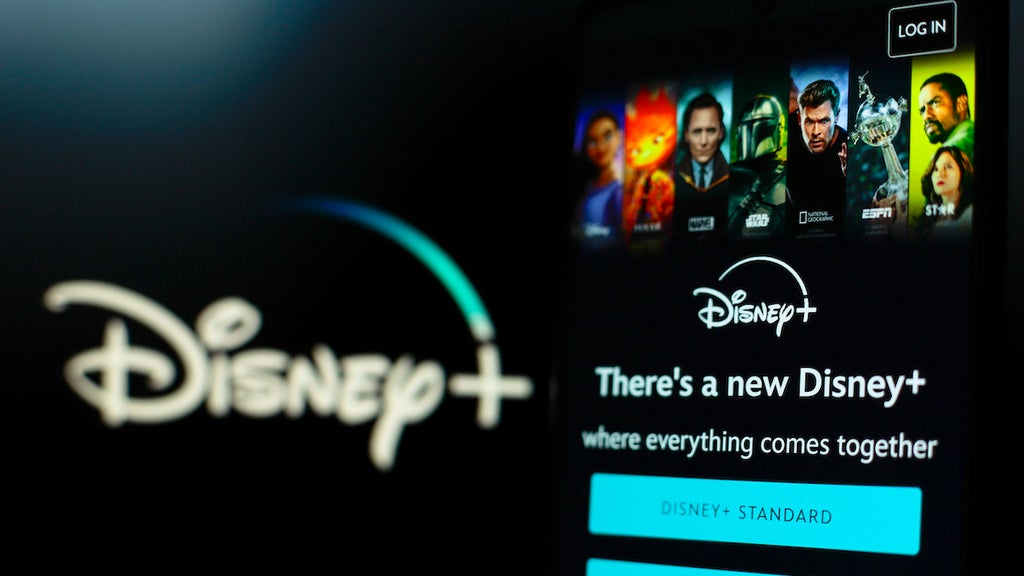
Turning Disney+ into a one-stop shop
Disney’s flirtation with the super app concept isn’t new territory, as former CEO Bob Chapek explored the possibility of an Amazon Prime-like membership program that would offer special perks and discounts for streaming, theme parks, resorts and merchandise in an effort to encourage consumers to spend more time on its platforms.
While Disney Prime never came to fruition, Disney+ does offer subscribers perks such as theme park or movie ticket discounts. Users can also already access the company’s portfolio of apps with one email address and password through a single sign-on system called MyDisney, and its various streaming bundles have seen some success in retaining subscribers, per Antenna data.
Bob Iger’s return to the company also resulted in some progress toward making Disney+ more than just a platform for its family-friendly movies and shows. The service now allows users to access Hulu and ESPN content through tiles, live 24/7 channels featuring programming from its networks and interactive features like vertical video and the ability to shop for merchandise within the app.

Even so, those added bells and whistles have not been enough to satisfy Wall Street, with Disney’s stock price down 44% in the past five years, 20.8% in the past year and 12.8% year to date. Disney+, Hulu and ESPN continue to trail behind Netflix in the battle for subscribers, revenue and profits and it has been unable to overtake YouTube’s share of total TV viewership in Nielsen’s monthly media distributor gauge. While Disney+ has raised prices on its premium tiers and launched a lower-priced ad tier to help narrow the gap, that lever can only be pulled so much before consumers hit their breaking point and decide to cancel.
“They know they need a better story for Wall Street around their DTC efforts,” Andrew Rosen, a former Viacom digital media executive and founder of the streaming newsletter PARQOR, told TheWrap. “The basic story of DTC is can you drive growth and engagement and can you reduce churn. How do you reduce churn? You build an app that’s actually much closer to the needs of true Disney fans.”
Though experts pointed to other potential benefits, such as better ad targeting and cross-selling opportunities, Rosen emphasized that a super app raises an important question about the role of technology and data in Disney’s decision-making.
“Before Iger stepped down as CEO the first time, he gave a speech about not letting data go to the center of the business and driving all the creative decisions. When you look at an app like that, that is allowing data to be core to the business,” he said. “I think they have to do it directionally, but how much of the magic is going to be driven by technology or can technology drive any of the magic at all?”
D’Amaro has said that “great storytelling and creative excellence” will remain Disney’s North Star, but added that innovation has always been part of the company’s DNA and that it would embrace technology to “unlock new possibilities.”

Will Disney fans get on board with a super app?
Given its wide range of services across entertainment, games, retail and streaming content, it makes sense for Disney to consolidate its user experience into one portal.
“With super apps, the key component is payments,” eMarketer senior tech analyst Gadjo Sevilla said. “Since Disney already has that information from streaming subscribers or from park visitors, it can leverage other products and services into a one-click to pay scenario.”
However, execution is key and Disney walks a fine line with the risk of too many capabilities. Sevilla and other experts warned that the disadvantage of turning Disney+ into a super app that integrates theme parks, cruises and other experiences is that it could make the service bloated and more complicated to navigate – running the risk of overwhelming its users. TheWrap exclusively reported that over a third (36%) of 3,000 consumers surveyed by Hub and CTAM have canceled a subscription due to a frustrating app experience, with that number higher (43%) among those under the age of 25.
“The user interface is critical since users of all ages will need to get to the information they want most without having to deal with endless menu options,” Sevilla added. “AI and personalization options can help, but for it to work, users will need to be onboarded on how to best use the app’s features.”
Enderle emphasized that apps of this scale and complexity “rarely work well out of the box” and that “significant friction, downtime and glitches” should be expected if they proceed with a super app. He also isn’t ruling out pushback among Disney’s most hardcore fans, at least initially.
“Fans notoriously dislike change,” Enderle said. “Even if the unified app is genuinely beneficial and streamlines their vacations in the long run, the disruption to their established habits compounded by the inevitable early bugs will likely trigger an initial wave of complaints.”

The My Disney Experience theme park app has faced a fair share of criticism from fans for its cluttered home screens. However, Disney plans to roll out a number of upgrades to make all aspects of booking a vacation easier, from dining and hotel reservations to helping guests secure spots on their favorite attractions through the Genie+ or Lightning Lane add-ons. While it isn’t a perfect experience, some feel developing a super app may be an “overcorrection.”
Brynn Heberer, a Disney bundle subscriber, theme parks fan and travel-focused content creator based in Texas, told TheWrap that she’d prefer the company focus on making incremental improvements to its existing apps, such as better streaming content recommendations or adding features like gaming into Disney+.
When asked how Disney could boost streaming engagement among theme park fans, Heberer said Disney+ should produce more behind-the-scenes content related to the company’s attractions, cruise ships and other experiences. Additionally, she proposed that Disney should recruit creators to help educate consumers on what’s already available to them within its ecosystem and to provide tips and tricks on how to better use their existing apps.
“There are some things they could add to their current apps, but sometimes people don’t know how to use what they already have available. I use the My Disney Experience app every time we’re at the parks and everything’s right there,” Heberer said. “If you just give people the knowledge, that might be a better option for them rather than combining it into something bigger and charging some crazy amount.”
