
The Federal Communications Commission will vote on the longstanding cap on ownership of broadcast TV stations, a law that currently prohibits owners from controlling stations in more than 39% of markets. The vote is expected to happen on Aug. 6.
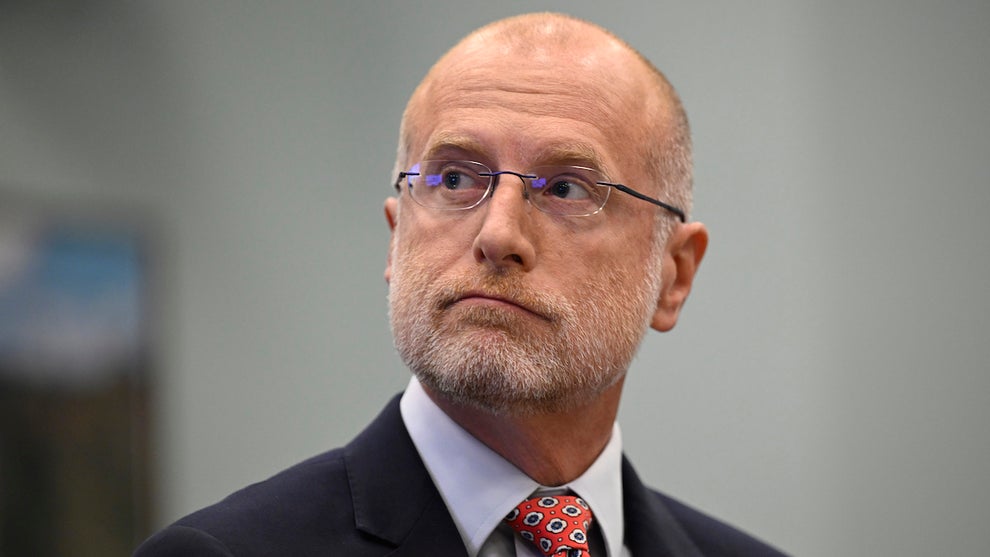
“Many years ago, the FCC put a rule in place that was intended originally to constrain the power of the national program so we could have a healthy broadcast ecosystem where the local broadcasters that are the ones actually licensed by the FCC with an obligation to serve the public interest can do exactly that. But over the years, that regulation, this 39% rule that was meant to constrain the power of the national program, has been doing the exact opposite,” FCC Chairman Brendan Carr said during the Hill Nation Summit on Wednesday morning. “It’s really been holding back local broadcasters from reaching the scale necessary to invest in local news and journalism reporting. If you step back, you know, trust in legacy national news is at an all-time low.”
Carr went on to note that, even though public trust in legacy media is down overall, local reporters still have a high degree of trust in their respective communities. He also noted that the FCC had a similar rule in place that limited investment in local newspapers.

“While we had that in place, obviously dramatic changes took place in the news industry. There was an op-ed recently by the editor of the New York Times that said 3,500 newspapers have shuttered in recent years. He said that 80% of local journalism jobs have been lost,” Carr said. “So I think if you care about local news, local information, we have to do something other than this trajectory of newsrooms shuttering, local news jobs closing. I think removing this outdated limitation at least gives local journalists a fighting chance.”
This comes as Nexstar’s acquisition of Tegna is at a standstill. In March, the FCC announced its approval of the transaction, waiving the national cap and requiring only six divestitures within two years of the merger closing. The choice to waive the cap on national broadcast ownership was made without a public vote among commissioners, which drew criticism from both Republicans and Democrats. Adding to the uproar around this acquisition, DirecTV and a coalition of eight attorneys general filed a motion to halt the merger, and a federal judge ordered a halt to integration activities as part of a temporary restraining order that was issued in mid April.
All of this means that Tegna and its subsidiaries have been operating independently from Nexstar as Nexstar is forbidden from absorbing Tegna’s assets and operations. This FCC vote will be the next step in Nexstar potentially taking complete control of Tegna.

“The FCC’s decision to review the national television ownership cap is a welcome and long-overdue step toward bringing broadcast regulation into the modern media marketplace. These rules were last updated before Netflix streamed a single movie, before the first iPhone and before Instagram existed, and they continue to single out local broadcasters based on a competitive landscape that disappeared with the VCR,” Gary Weitman, executive vice president and chief communications officer at Nexstar, told TheWrap. “No one would suggest limiting the reach of YouTube, Amazon,or CNN, yet local broadcasters are still forced to compete under rules written for a different century. Modernizing these outdated regulations will help ensure broadcasters can continue investing in local journalism and providing the free, trusted news and information that communities across America rely on every day.”
This vote comes after Nexstar filed a legal brief last Wednesday that urged the Ninth Circuit Court to scale back its nationwide “hold separate” order. That was the order that prevented the company’s 6.2 billion acquisition of Tegna from going through. Specifically, Nexstar argued that is purchase of Tegna could reduce competition in just 31 specific local TV markets where the companies owned overlapping major network affiliates.
The Nexstar and Tegna deal may be one of the least covered and most influential cases in the television industry. Both companies are leaders when it comes to owning local TV stations.
