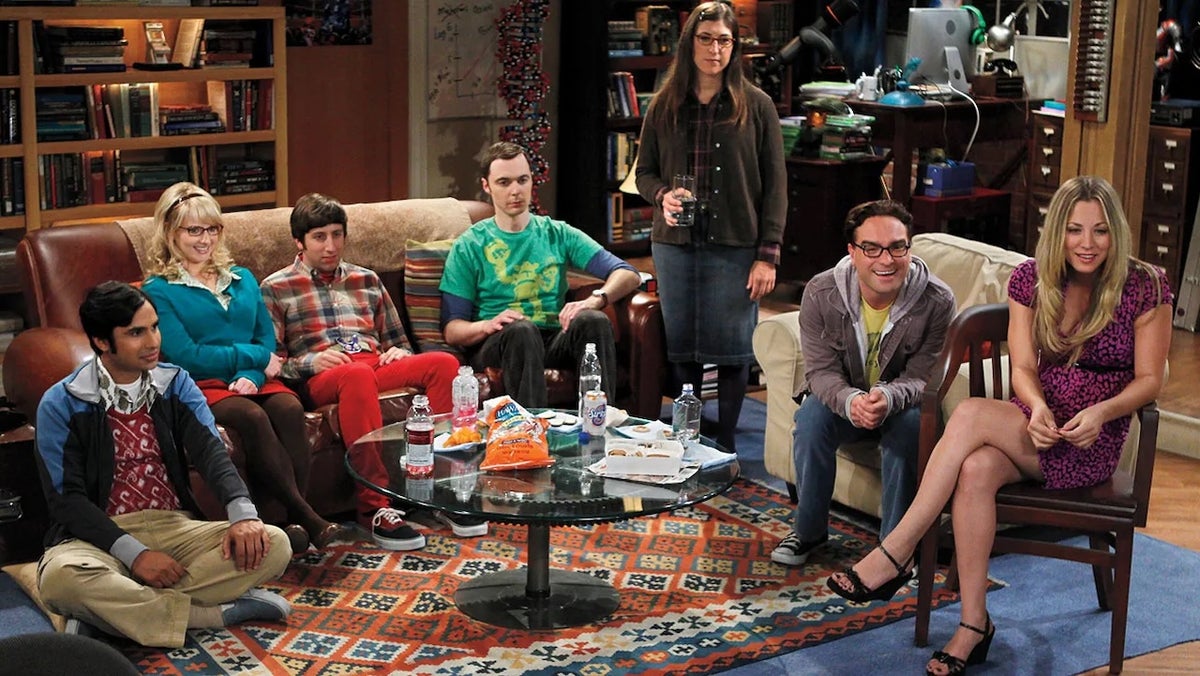
The TV show dominating streaming in late summer isn’t a buzzy returner like “House of the Dragon” or “Ted Lasso.” The honor instead goes to “The Big Bang Theory,” a network sitcom that hasn’t been on the air since 2019.
If you’re scratching your head thinking, “Didn’t that come out 20 years ago?” You would, in fact, be right. The Chuck Lorre-created CBS sitcom has long been a library favorite for HBO Max — frequently popping up in Nielsen’s top 10 streaming series. But “Big Bang” exploded this summer, pun intended, working its way up to become the top streaming show for the first time on the week of July 27, with 1.14 billion minutes viewed, according to Nielsen.
While catalog shows make frequent appearances in the top 10, it’s rare for an older show to actually top the chart — “Suits” is a notable example, but was an entirely different phenomenon — which makes “The Big Bang Theory’s” three consecutive weeks logging over 1 billion viewing minutes all the more impressive. But there’s a concrete reason for the spike: spinoff series “Stuart Fails to Save the Universe,” which premiered on HBO Max on July 23.
It’s just the latest example of how a new installment in a popular franchise acts as a catalyst for the original series, creating an impact akin to the Netflix effect, without Warner Bros. Discovery having to license the show to a rival streamer. What’s curious is “Stuart Fails to Save the Universe” itself hasn’t appeared in the top 10 yet, but is enough of a trigger for people to go back to the antics of Leonard, Sheldon and Penny.
The surge also shows that library content can flourish on streamers other than Netflix, and how HBO Max is growing its standing in the streaming landscape since the massive growth seen with “The Pitt,” which dominated the Nielsen charts during its Season 2 rollout earlier this year.

The spinoff brings back original series stars Kevin Sussman, Lauren Lapkus, Brian Posehn and John Ross Bowie, all of whom reprise their “Big Bang Theory” roles as Stuart (Sussman) accidentally kicks off a multiverse armageddon. HBO Max said “Stuart Fails to Save the Universe” is pacing as the No. 2 original comedy launch in platform history globally — but refrained from sharing exact numbers.
“Stuart Fails to Save the Universe” has not appeared within Nielsen’s streaming top 10 through the week of July 27 so far, though it’s early within the season’s run with only two episodes out during the interval. And the spinoff series is performing strong enough for HBO Max to renew it for a second season.
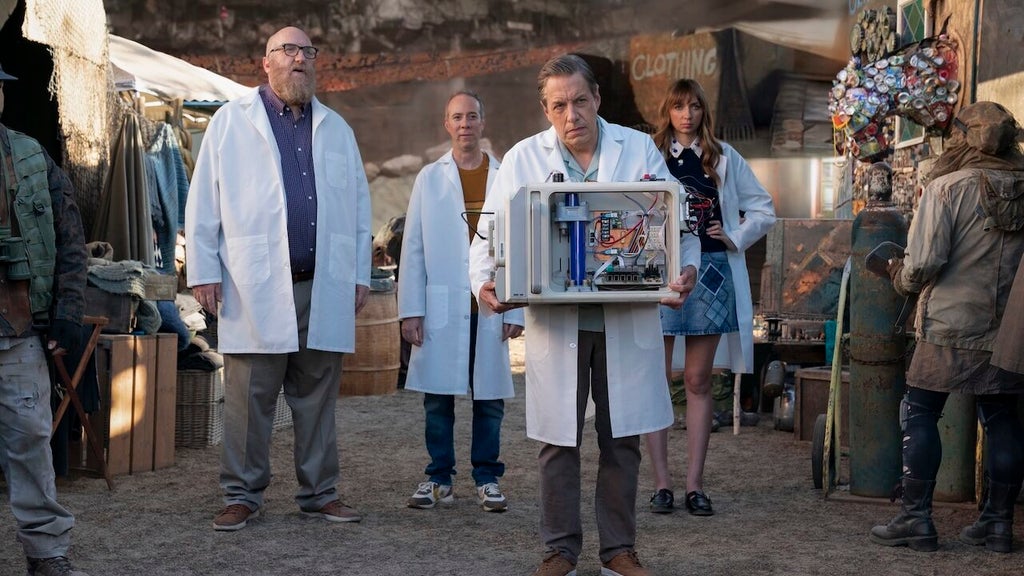
Unlike the typical Netflix effect which eventually sees interest die down, the strength of “The Big Bang Theory” also shows the longevity of its franchise, which now has two active Warner Bros TV-produced spinoffs between “Stuart Fails to Save the Universe” and CBS’ “Georgie & Mandy’s First Marriage.”
In fact, “The Big Bang Theory” franchise has generated over $900 million in global subscriber revenue for HBO Max and has driven over 3 million new signups to the service in that time from 2020 to 2025, according to Parrot Analytics.
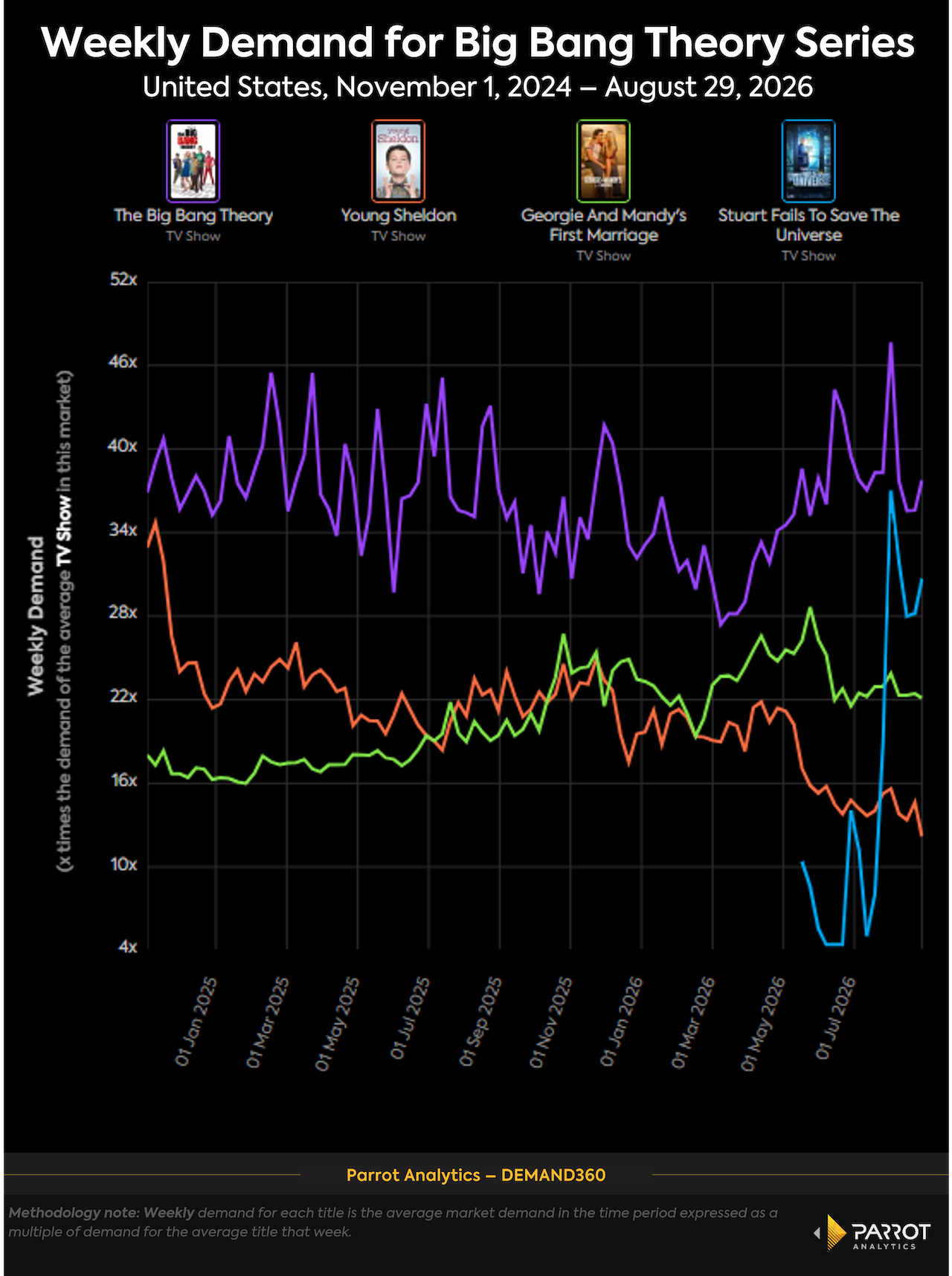
“Stuart Fails to Save the Universe” is just the latest spinoff to support the franchise’s longevity. Demand for “The Big Bang Theory” since its 2019 finale shifted up when “Georgie & Mandy’s First Marriage” first premiered in 2024, according to figures from Parrot.
The most recent spinoff, however, has been more successful in breaking through with audiences closer to its premiere, according to Parrot, which might be because “Stuart Fails to Save the Universe” is more closely intertwined with “The Big Bang Theory” than “Georgie & Mandy’s First Marriage,” a spinoff of prequel series “Young Sheldon” featuring cast members from that CBS favorite.
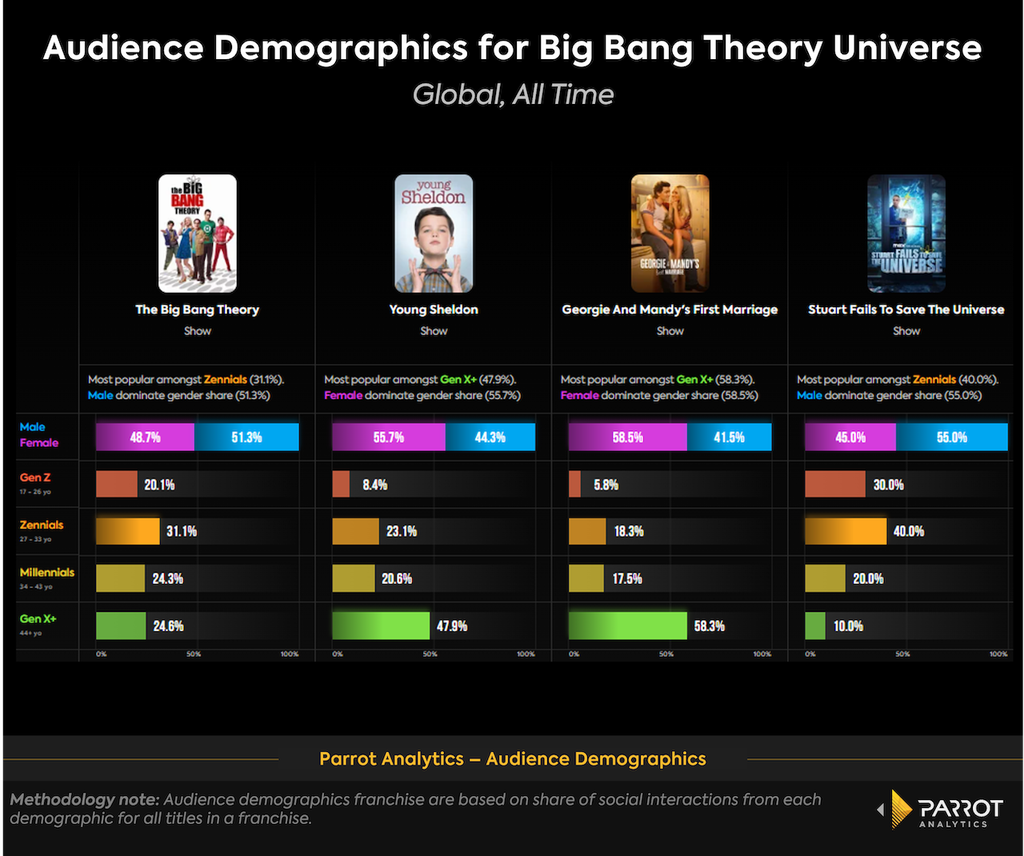
“Stuart Fails to Save the Universe” is also breaking through with Gen Z more than the other spinoffs, according to Parrot data, while “Georgie and Mandy’s First Marriage” is holding down the fort for Gen X and beyond.
Together, the spinoffs have created a strong feedback loop for the franchise, with “Young Sheldon” and “Georgie and Mandy’s First Marriage” crafting easy ways in for new viewers who haven’t necessarily watched “The Big Bang Theory,” while “Stuart Fails to Save the Universe” keeps longtime fans engrossed. “Young Sheldon” had its own Netflix effect spotlight earlier this spring too, when the single-cam prequel got licensed to that streamer.
“Stuart Fails to Save the Universe” took quite a while to come together — it was first announced to be in development in 2023, back when the platform first changed its name to Max. But even without yet popping up on the charts itself, the show proved it can harness interest to push its flagship to new heights.
It’s a skill the “The Big Bang Theory” franchise has shown it’s been adept at again and again.

U.S. Open kicks off strong
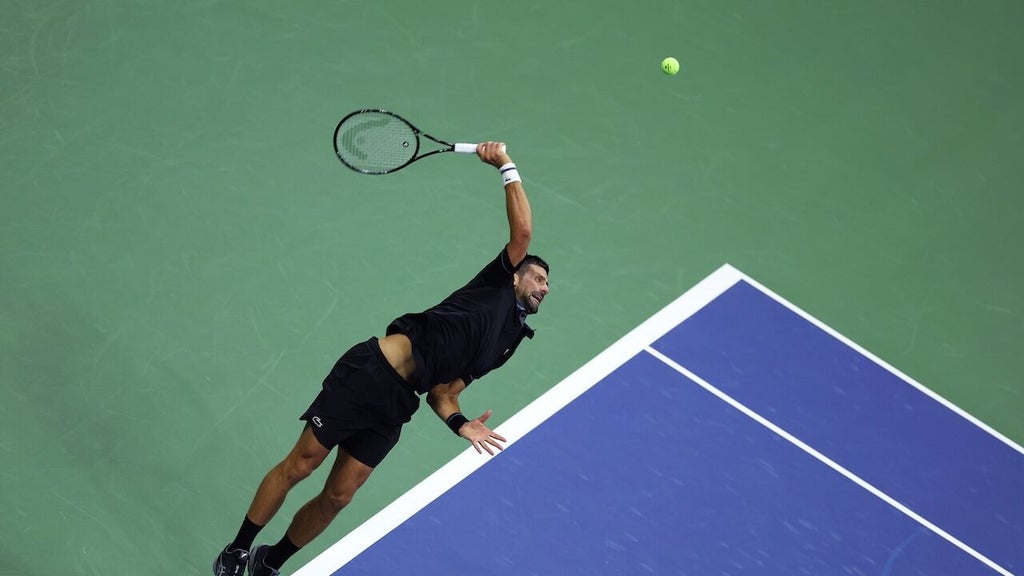
The U.S. Open got off to a strong start, with Sunday marking the event’s biggest opening day audience ever on ESPN.
Across ESPN, ESPN2 and ABC, the U.S. Open scored 914,000 average viewerships, marking a 13% rise from last year, which only broadcast on ABC and ESPN2. Coverage on ABC averaged 1.25 million average viewers — up 7% year-over-year — while ESPN primetime coverage scored 958,000 viewers, up 10% year-over-year.
Byron Allen scores demo late night win
For the first time since taking over the CBS time slot from Stephen Colbert, Bryon Allen’s “Comics Unleashed” surpassed both of its late night competition in the demo. On Monday, Aug. 24, “Comics Unleashed” averaged 154,757 viewers in the 18-49 demo, while a Jelly Roll-hosted “Jimmy Kimmel Live!” brought in 147,022 viewers and “The Tonight Show Starring Jimmy Fallon” averaged 147,087 viewers.
“Comics Unleashed” also surpassed the late night shows in the 18-34 demo, but was the third-most watched show overall with 713,331 viewers, compared to Kimmel’s 1.51 million viewers and Fallon’s 996,840 viewers.
“CBS Evening News” sees August gains
“CBS Evening News with Tony Dokoupil” wrapped up August with an average viewership of 4 million, rising 4% from the same month last year and 4% from July to reach the show’s strongest viewership since March. The evening news show also averaged 524,000 viewers in the 25-54 demo, up 5% from July.
The demo also saw a 16% week-over-week rise during the week of Aug. 24 mill marking the biggest growth of any evening newscast in the demo for the week.
Still, it sits behind its competitors: “CBS Evening News” averaged 3.92 million viewers during the week of Aug. 24, while ABC’s “World News Tonight” averaged 8.73 million viewers and NBC Nightly News averaged 7.1 million viewers.

ICYMI:
- The first look at Grand Theft Auto VI brought in a bigger audience than anything else on Netflix last week, scoring 31.1 million views on Netflix from its Aug. 27 debut through Aug. 31
- Tyler Perry’s “Beauty in Black” Season 3 brought in its highest debut week ever with 13 million views
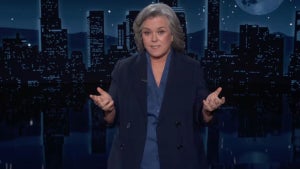
- Rosie O’Donnell wrapped up her week guest hosting on “Jimmy Kimmel Live!” to impressive numbers, ranking as the highest-rated summer substitute thus far