
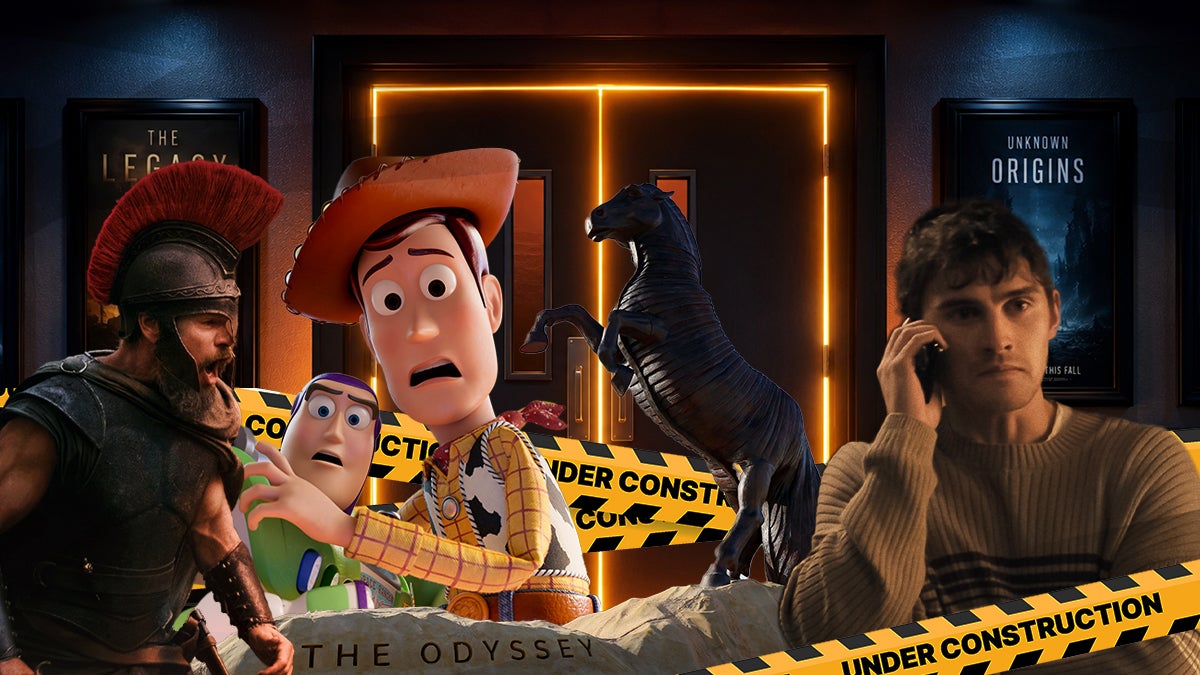
At the beginning of the year, Santikos Entertainment President Rob Lehman laid out ambitious plans to refurbish the lobby of the regional movie theater chain’s Casa Blanca multiplex in San Antonio. But actually pulling the trigger depended on how well the box office performed this year.
The first weekend of “Toy Story 5,” which opened to $160 million in the U.S., marked a turning point.
“We set a certain CapEx dollar amount, and then put another amount aside that we would tap into if certain attendance thresholds were met. After the opening for ‘Toy Story,’ we got the green light,” Lehman said, adding that Santikos is also planning to add premium format screens to two of its locations ahead of a holiday season where such screens will be in demand for “Avengers: Doomsday” and “Dune: Part Three.”
“These are projects we’ve delayed for years. Finally, we get to have the sort of fun conversations I haven’t had since 2018,” he added.
Across the U.S., movie theater owners who have dealt with years of setbacks ranging from the pandemic to strike-induced release slate droughts are finally getting the box office boom they have waited for. They’re making the most of the upswing with long-planned refurbishments and new screens — all in a bid to revitalize the movie-going experience and ensure this bump isn’t a one-off affair.
In the meantime, they’re dealing with the sort of problems every theater owner wants to have, thanks to family hits like “Toy Story 5” and indie horror phenomena “Obsession” and “Backrooms” bringing a surprise lift. Lehman, for instance, was moving rapidly to ensure that the regional chain’s 28 locations are fully staffed for the Fourth of July boom.
“It’s all hands on deck right now. We currently have 1,200 employees on staff and we have never touched that amount,” Lehman told TheWrap. “Our attendance has been good going back to ‘Project Hail Mary,’ but especially in the last couple of weeks it has been fantastic.”
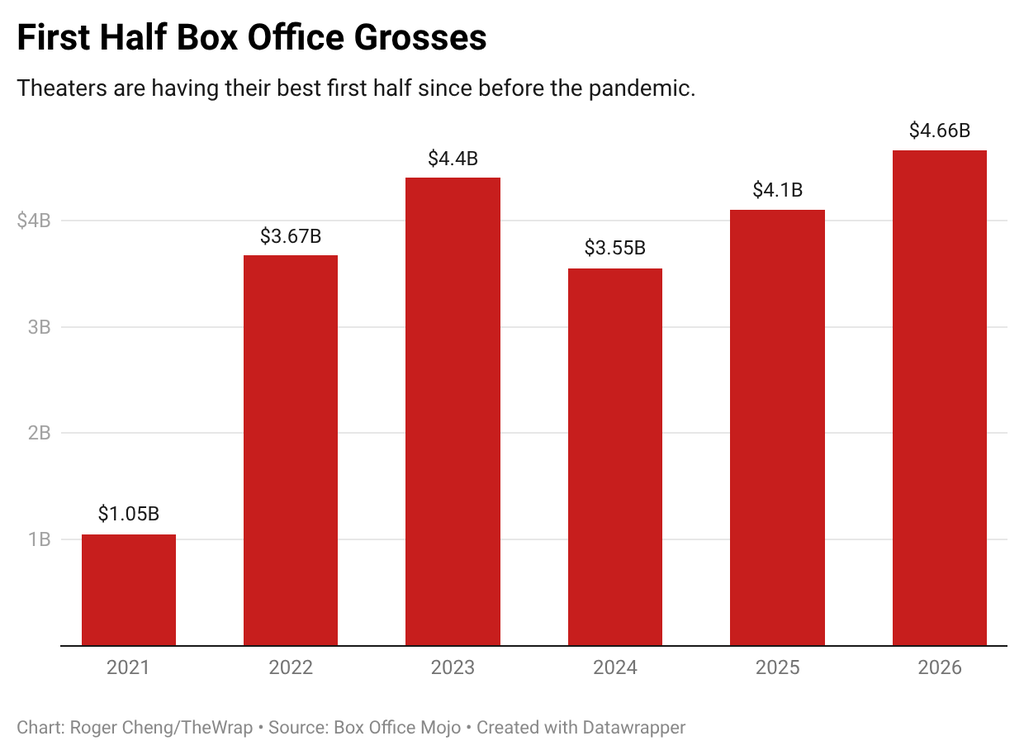
As of last Wednesday, the 2026 domestic box office to date stood at $4.66 billion, 21% ahead of last year’s pace. At this rate, the box office is shaping up to have its first $10 billion-plus year since the pandemic, which is giving exhibitors the confidence to reinvest in the business.
AMC Theatres, which last month unveiled a concert film partnership with bespoke live theatrical event startup Arena One, has had to postpone the launch of those concert films to the fall to free up theater space for the overwhelming demand for summer films.
Regal Cinemas, flush with new investments, has gone on a refurbishment spree adding Imax screens and luxury recliners at locations like the Sherman Oaks Galleria, a multiplex formerly operated by Arclight Cinemas that at one point was at risk of closing again as Regal navigated bankruptcy proceedings in 2023.
Cinemark has also been flying high even before this box office boom, as its first quarter EBITDA stood as the highest recorded since the pandemic, allowing them to maintain a budget of at least $80 million per quarter for refurbishments and other capital expenditures.

A rising tide
But the box office boom isn’t just limited to the big chains. It’s also trickling down to places like the Music Box in Chicago and the Texas Theatre in Dallas. These are independently owned arthouse theaters that usually rely on repertory screenings but can get a big boost in business when the right film comes along that plays to their core customer base of younger cinephiles.
At the Music Box, co-owner Brody Sheldon said that their work since the pandemic to turn the nearly century-old theater a few blocks from Wrigley Field into a sanctuary for Chicago’s film lovers has also made it a place where its core audience wants to see acclaimed movies like “Marty Supreme” and “Obsession.” Curry Barker’s breakout hit played for two weeks in the theater’s main 700-seat auditorium and, like nearly every other theater that screened the chilling tale of male entitlement, saw a 21% increase in attendance in the film’s second weekend.
After talks with distributor Focus Features, the Music Box extended its play of “Obsession” for a third week, splitting screen times to allow for repertory screenings that the theater had scheduled months in advance.
“I think that this current generation of moviegoers is digitally native and spends so much time on their screens that they value the chance to put down a phone and not just see a movie in a crowded theater, but in a theater that is a part of the community and which they know is run by people who love movies as much as they do,” Sheldon said.
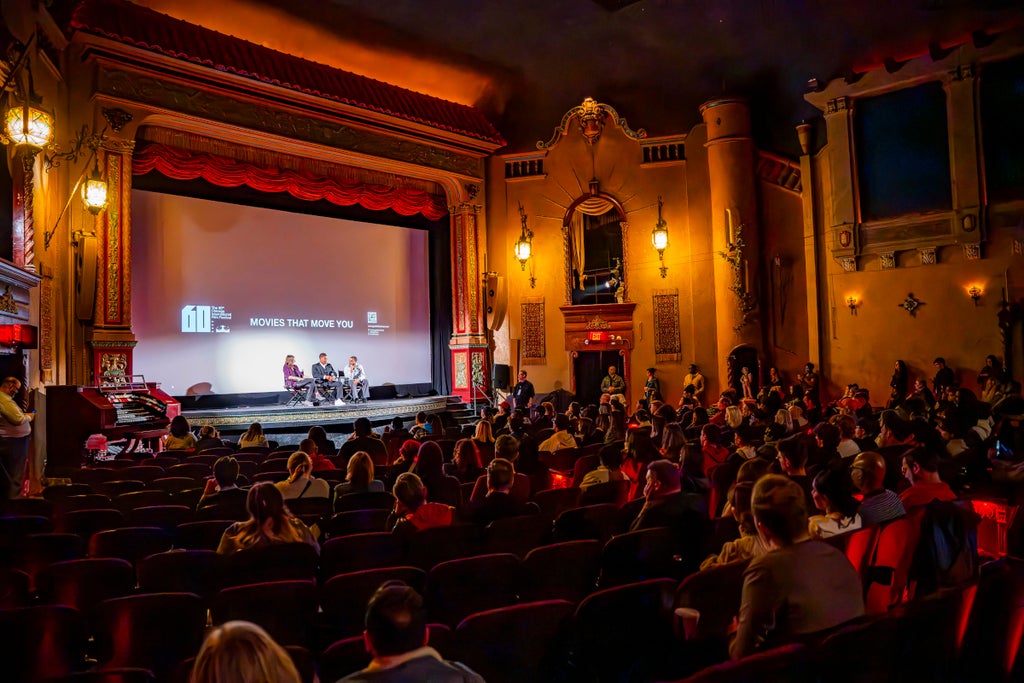
Three years ago, the Music Box had lines going out the door to see 70mm screenings of Christopher Nolan’s “Oppenheimer,” and Sheldon will be expecting the same for the Oscar winner’s follow-up “The Odyssey” next month. But when “The Odyssey” arrives, the Music Box will have something it didn’t have before: a third screen.
Thanks to the strong support of its loyal moviegoers not just this summer but for the past several years, the Music Box has expanded into an adjacent storefront and will be adding a third screen to support further repertory screenings, starting with a 4K restoration of Guy Maddin’s 1992 film “Careful.”
Sheldon said that this will allow the Music Box to do more film premieres and screenings with community partners, but it will also give the theater the flexibility to devote a screen to an in-demand new specialty release while maintaining its usual repertory schedule, allowing it to tap into demand for a film like “Obsession” that explodes in moviegoer interest.
“Having a third screen gives us more options with our programming and will allow us to try new things,” she said. “It’s been a constant cycle of experimentation and feedback, and I think it has made this into a place that Chicago is really proud of.”

Younger audiences fueling growth
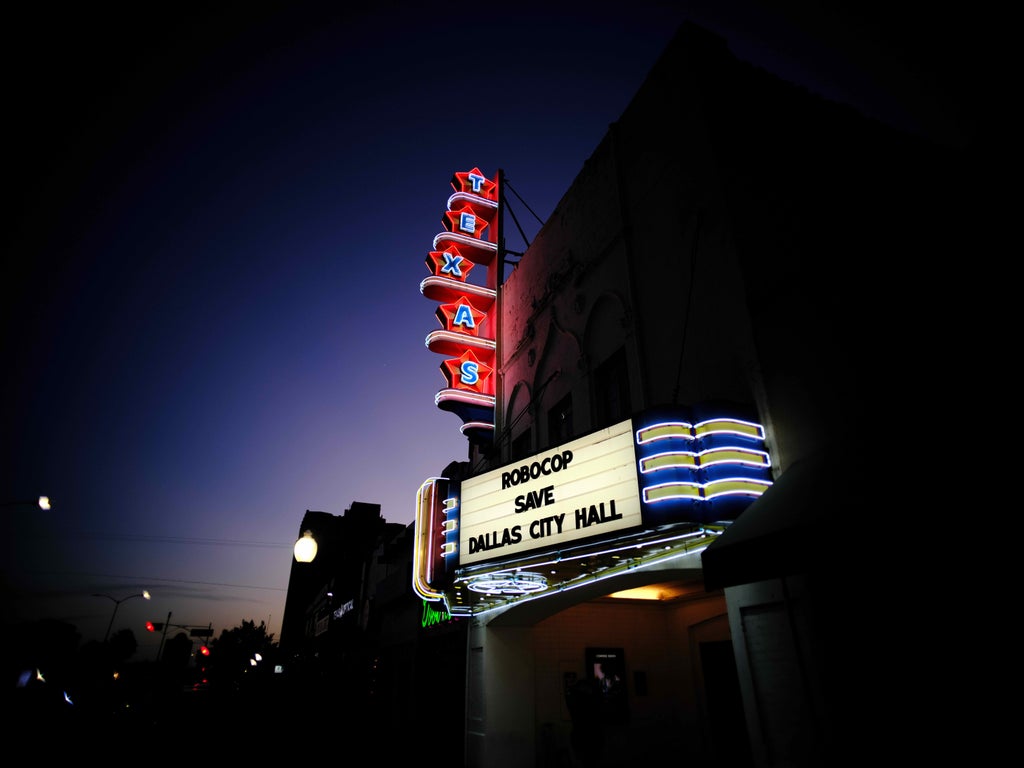
The same can be said of Dallas and the Texas Theatre, which became a popular place for younger movie lovers to see “Obsession” last month. Creative director and co-owner Jason Reimer said that he and his team put work into making sure that the theater would not be consumed by the pandemic, starting by establishing a drive-in when it had to close in 2020 to provide quarantined Texans with some form of normalcy.
When doors finally reopened, Reimer said he noticed that there was a change in the audience that was filling up his repertory screenings. It skewed younger and was more interested in the likes of Paul Thomas Anderson and Sean Baker than big blockbusters. He credits this to the advent of cinephile-friendly social media platform Letterboxd, which he believes has made the experience of going to arthouse theaters much like going to the record store to build a vinyl collection.
“I think the line between repertory screenings and new independent cinema is blurring,” he said. “Our audience really wants to see both. We were primarily getting moviegoers in their 20s three years ago when we had a David Lynch retrospective and sold out a 35mm screening of ‘Eraserhead.’”
That carried over to the release of “Obsession,” as turnout ramped up at the Texas Theatre just as it did at the Music Box. As seen with the mainstream box office, the specialty market is now being decided by Gen Z, and theaters like the Texas Theatre are benefitting so much from it that Reimer and his team are about to finish two years of hard work transforming the abandoned Texas Fine Arts Theatre in nearby Denton into a sister location with a 240-seat main auditorium with 70mm capability and an upstairs 50-seat auditorium.
“As great as this summer has been, what we’re seeing at our theater has really been the result of years of hard work finding a newer, younger audience and programming around what they want to see,” Reimer said. “We’ve got a 10th anniversary screening of ‘Boyhood’ coming up in the second half of the year, and we’re looking at screening some films out of Cannes like Jane Schoenbrun’s ‘Teenage Sex and Death at Camp Miasma,’ which is going to be right up the alley with our core audience.”
There is no going back to the way the box office was in 2019, but after years of being forced to experiment, theaters are getting a sense of how to not just survive, but thrive in a world where audiences are telling them and Hollywood what things from the past they still want to see (and don’t) and which new voices and stories they are responding to. And more importantly, how much they are willing to pay for it.
While “The Odyssey” will no doubt bring in big bucks for big chain and arthouse theaters alike with Imax and 70mm screens as Nolan’s devotees pay extra for the premium experience, Lehman said that the windfall from “Toy Story 5” is being driven in good part by audiences who are looking for a good value. At Santikos, where tickets at Tuesday screenings are priced at $6, the chain sold 5,000 more tickets on the first Tuesday for “Toy Story 5” than it did on the film’s opening Sunday.
“I have heard comparisons by some colleagues to the summer of 2009, when there were a lot of films that you might not think did well that cleared $100 million because moviegoing was an affordable summer outing at a time when the economy wasn’t doing well,” Lehman said.
“I think that we are seeing that again this summer, where we’re not just getting films that draw interest in PLFs but also films where moviegoers, especially families, are willing to wait a few days for midweek discounts. But no matter when they see it, the point is that they want to go, and we are able to provide all kinds of options at various prices for them,” he said.
