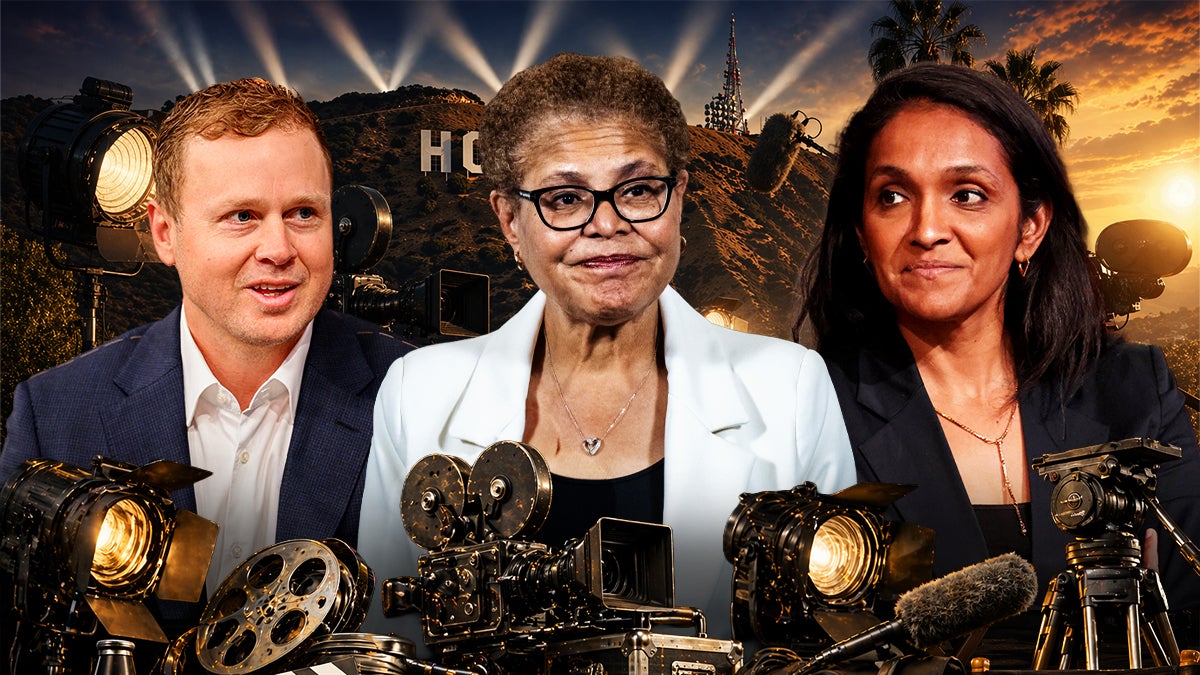
With the Los Angeles mayoral primary election just six weeks away, Hollywood’s film and television production crisis has taken center stage.
The number of shoot days in Los Angeles County in 2025 fell 16% from 2024 to below 20,000, and shoot days recorded in all major film and television categories were at least 30% below the five-year-average, underlining the exodus of productions — and labor for local industry workers — as studios seek tax credits elsewhere.
How the next mayor plans to entice productions back to Los Angeles and how they plan to weather the storm of anticipated job cuts from continued media consolidation will be defining issues in the race that differentiate the leading five candidates.
Mayor Karen Bass, who is running for reelection this June, was scrutinized for only appointing a film liaison nearly three years into her four-year term. Now, with an election looming that threatens to end her tenure as mayor, Bass has detailed her plan to bring production back to Los Angeles.
Other candidates including L.A. City Councilmember Nithya Raman and former reality TV personality Spencer Pratt have openly criticized Bass’ approach to production in her first term and announced their own plans to revive production in the city that has championed entertainment for decades.
Last year, California lawmakers increased the cap for the state’s film and TV tax incentive program from $330 million to $750 million. Since then the California Film Commission has approved 147 film and television projects, a 53% year-over-year increase.
The recent expansion also allowed for animated productions, among others, to receive tax credits. The CFC estimates that these projects will bring a combined 21,509 entertainment jobs to California and $5.5 billion in total economic activity.
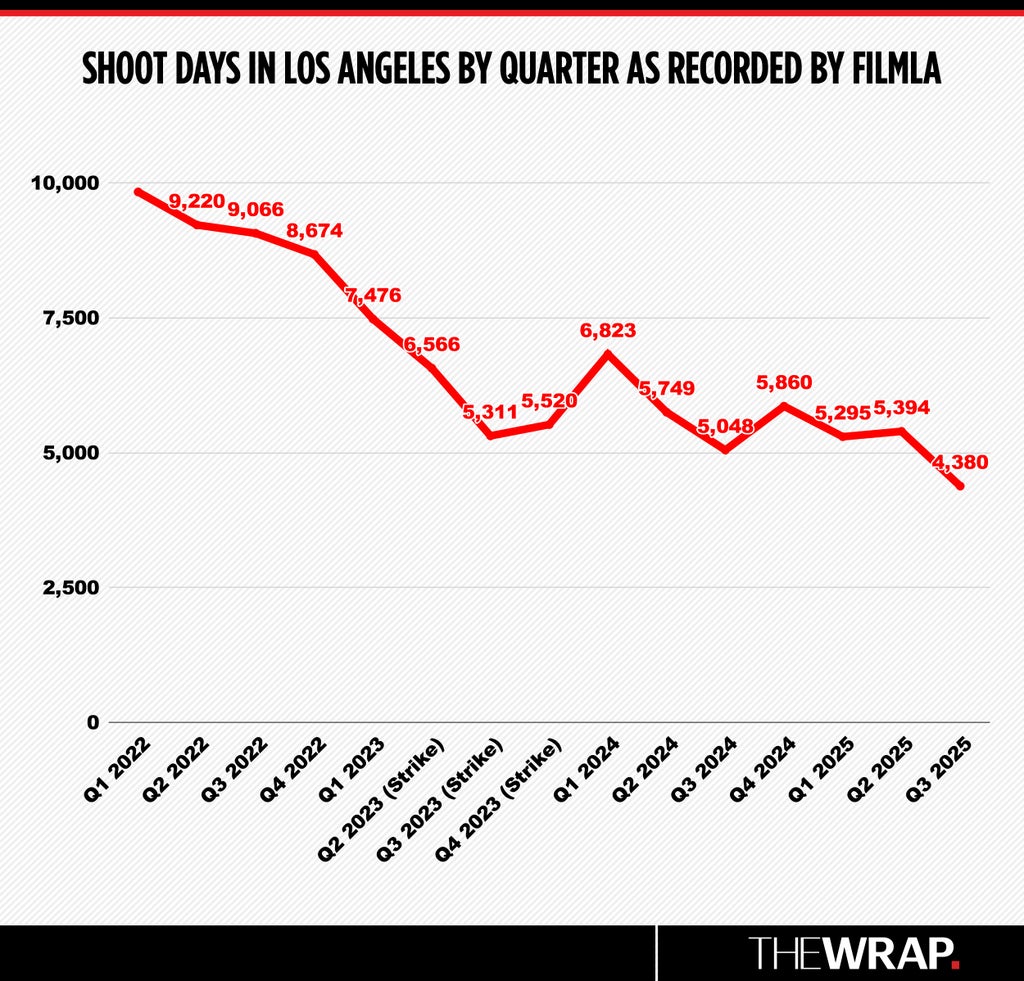
However, Los Angeles County has lost more than 40,000 film and television jobs in the last two years, with employment dropping from roughly 142,000 to about 100,000 by the end of 2024.
As efforts to bring production back to Los Angeles continue, the future leaders of Tinseltown weighed in on how they will support the entertainment industry.
Read on for a full breakdown of the leading mayoral candidates’ plans to bring down costs and keep production in L.A.
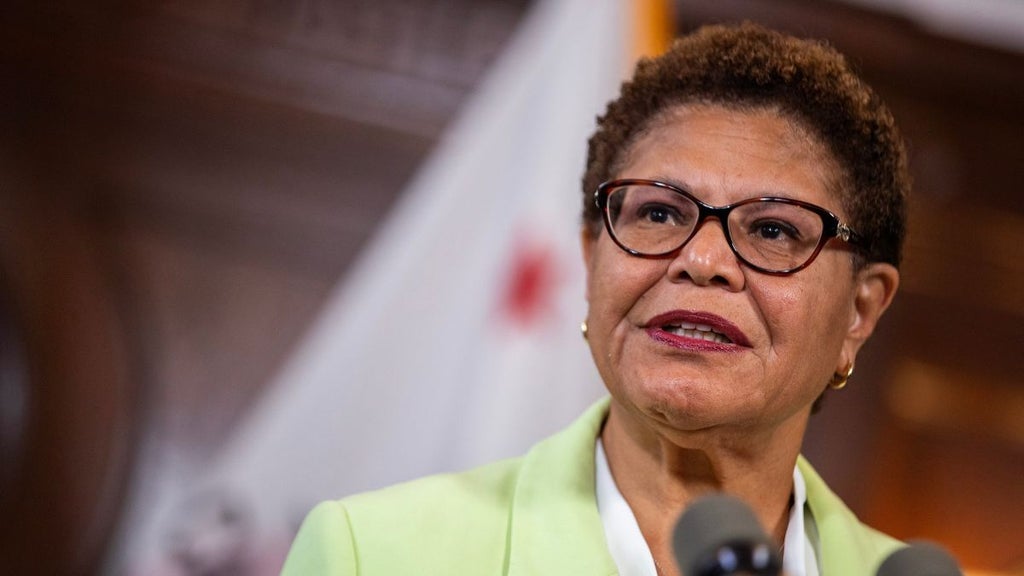
Karen Bass
Just weeks before the election for her seat, Mayor Bass unveiled her pilot program April 21 to directly support film productions in Los Angeles with Councilmember Adrin Nazarian. The Department of Transportation will offer productions a 20% discount on LADOT-owned parking lots citywide, cutting costs for parking equipment, trucks, star wagons and trailers needed for filming.
This pilot program is an extension of Bass’ Executive Directive 11, which was issued last May. Elements of that plan included cutting filming fees at the Griffith Observatory and reopening the Central Library for filming.
“Mayor Bass created California’s first film tax credit, and as mayor she fought to double it — and it’s working,” Alex Stack, a campaign spokesperson for Bass, told TheWrap. “We now have 135 projects representing $3.8 billion in spending and nearly 30,000 cast and crew jobs coming back to L.A. At the same time, we’ve cut red tape at City Hall and streamlined permits. But we have a lot more work to do to bring filming back to L.A., like cutting fees for smaller productions and making parking cheaper, which Mayor Bass just announced.”
The parking deal mirrors a pact that was recently offered to help keep “Baywatch” at Venice Beach in partnership with Councilmember Traci Park’s office, the county, California Coastal Commission, Fremantle and Fox.

FilmLA also announced the Low Impact Permit Pilot Program that allows indie productions to obtain film permits at a reduced rate and without having to wait for lengthy safety inspections.
Bass also unveiled temporary reductions in fees for film productions on Tuesday, amidst accusations she hasn’t done enough to retain Hollywood jobs. The mayor faced scrutiny for her delay in naming a film czar, which she only appointed last August when she tapped Board of Public Works President Steve Kang, who has next to no experience with the industry.
Bass was elected mayor in a runoff election against Rick Caruso in 2022 and inherited the problems of the entertainment industry post-pandemic and just ahead of the WGA and SAG strikes of 2023.
Nithya Raman
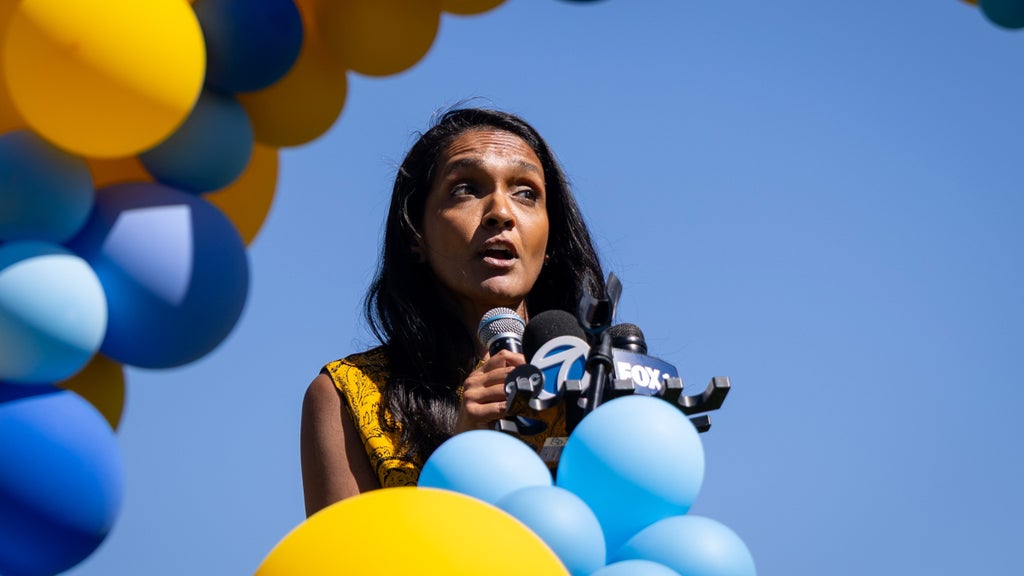
District 4 city councilmember Nithya Raman also released her plan to bring production back to Los Angeles last week.
In a campaign video shot on a lot in Burbank, Raman told voters that she will appoint a film liaison on Day 1 and implement a tax credit with no cap. Raman said that she intends to build a fully staffed L.A. Film office to “lead and improve coordination across FilmLA.
“After years of Hollywood jobs leaving Los Angeles, I’ll fight to bring them back,” Raman said in a statement to TheWrap. “For too long, we’ve treated filmmaking like a nuisance while other cities around the world rolled out the red carpet. That ends when I’m mayor.
“We’ll make L.A. a reliable partner with a dedicated L.A. film office, guarantee faster, more predictable permitting, lower and eliminate fees for small and mid-sized productions, remove outdated neighborhood conditions, and lobby the state for uncapped, consistent, above-the-line tax credits,” she continued.

Raman has her own ties to the entertainment industry as her husband Vali Chandrasekaran has been a longtime writer-producer, working on “30 Rock,” “Modern Family” and more recently serving as an executive producer on “The Four Seasons” for Netflix. She did not shy away from this fact in her campaign video, noting that the “issue is personal.”
The former urban planner, whose district includes Hollywood, Hollywood Hills, Los Feliz, Silver Lake and the San Fernando Valley, pledged to fight the next governor to expand California’ $750 million film and TV tax incentive program. Her campaign also wants to institute reforms that will streamline production permitting and clear red tape, including lower fees for independent productions and fewer filming restrictions.
“Since 2018, shooting days in the City of Los Angeles have fallen by a half. That means less work for families across our city, and less money to support our small businesses,” she said. “Angelenos are the most talented creatives in the world. You deserve a mayor who fights as hard as possible for you.”
The new platform is a departure from her track record as a local politician. During her nearly six years on the Los Angeles City Council, Raman never introduced a piece of legislation aimed at supporting the entertainment industry. She also partially recused herself from voting on four measures this March that addressed permitting, production and infrastructure, citing conflicts tied to her husband’s work.
Raman entered the mayoral race on the final day of filing on Feb. 7.

Spencer Pratt
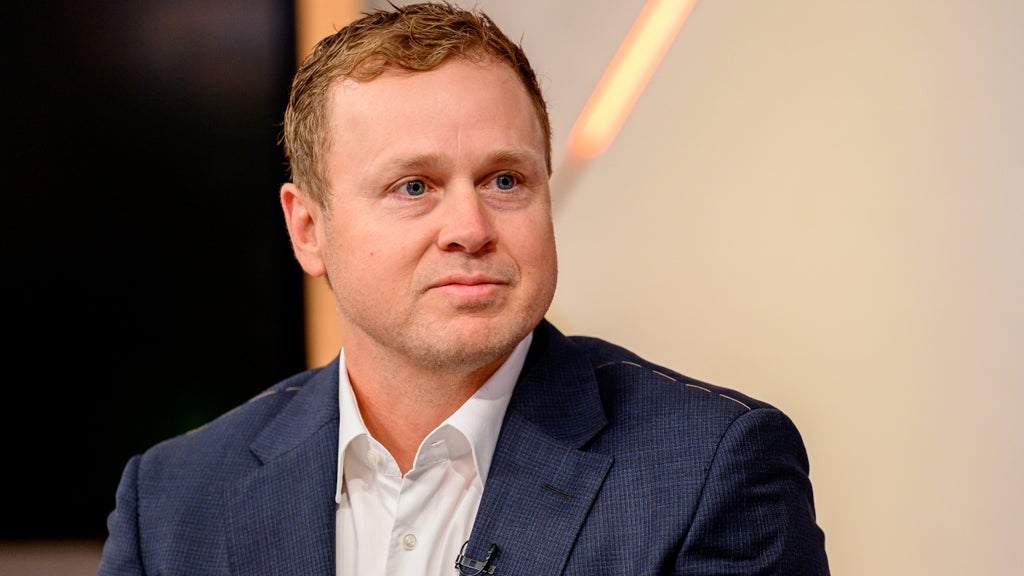
Spencer Pratt, the reality TV star-turned-Palisades fire victim-turned-mayoral candidate, has been outspokenly critical of Bass and her leadership. “The Hills” star has taken his campaign points on a large podcast tour, speaking candidly about how he can save Hollywood.
In one interview with “Monks & Merrill,” he said that Los Angeles should “make it so it is literally free to shoot.” He also criticized Bass’ directive that cut costs to film at the Griffith Observatory – “Who needs that shot right now with the homeless poop all around it?”
Spencer Pratt announces he is going to save Hollywood in Los Angeles if he’s elected mayor by eliminating “ALL fees”
— Wall Street Apes (@WallStreetApes) April 14, 2026
“We need to make it free to shoot”
“What people don't understand when they think about Hollywood, they go, they think about movie stars and they think about the… pic.twitter.com/NefW7CVx2n
Pratt outlined his plans if elected mayor to bring production back to Los Angeles in an April 2 Substack post.
“As Mayor, I will push to subsidize FilmLA, slash location fees in half, and I will create a dedicated concierge team,” he said. “I will issue an Executive Directive expanding Reel Change to force seven-day FilmLA approvals and zero on-set city staff for 90% of productions. I will direct all departments to waive all location, staff and inspection fees for shoots under $2 million. I will mandate LADOT/Police/Fire instant pre-approvals for standard street closures and safety plans.”
“We need to clean the streets of Zombieland, and make this city a safer and more appealing place to shoot; we can’t expect every production to be a zombie apocalypse film,” he wrote, alluding to the city’s unhoused population. “I will deploy dedicated LAPD units to filming hotspots with zero-tolerance on theft, vagrancy and harassment of crews.”
Representatives for Pratt did not return TheWrap’s request for comment.
The former reality star announced his candidacy for the 2026 Los Angeles mayoral race on Jan. 7, on the one-year anniversary of the Palisades fire. He officially filed paperwork to enter the race Feb. 3.
Adam Miller
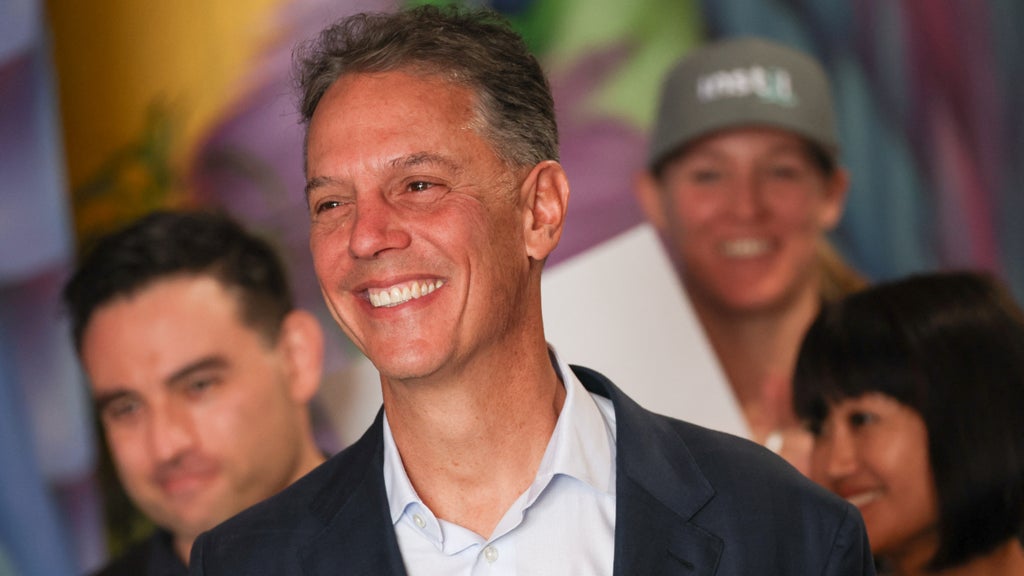
Adam Miller is a nonprofit executive who has called for cutting deals to bring back Hollywood production, according to his campaign website. Miller made his billions as a tech entrepreneur, selling his Santa Monica-based company Cornerstone OnDemand in 2021 for approximately $5.2 billion.
His approach to increasing jobs in the entertainment sector is to treat the industry like an “economic development, not policy.”
“Tens of thousands of Angelenos in entertainment are out of work. More studies and waiting won’t fix it, and hoping Sacramento acts is too slow,” Miller said in a statement to TheWrap. “This industry is mobile, and we’re losing. I’ll cut real deals to bring production back: faster and easier permitting, centralized film offices, lower city fees, predictable costs and job-based incentives — and I’ll work with the state to expand and uncap tax incentives so we can compete globally.”
The businessman has not elaborated further either on his campaign website or in interviews on how exactly he will “cut deals to bring Hollywood back to Hollywood.” Reviving Hollywood, however, is a core tenet of his economic mobility platform.
Miller announced his candidacy for mayor Feb. 5.

Rae Huang
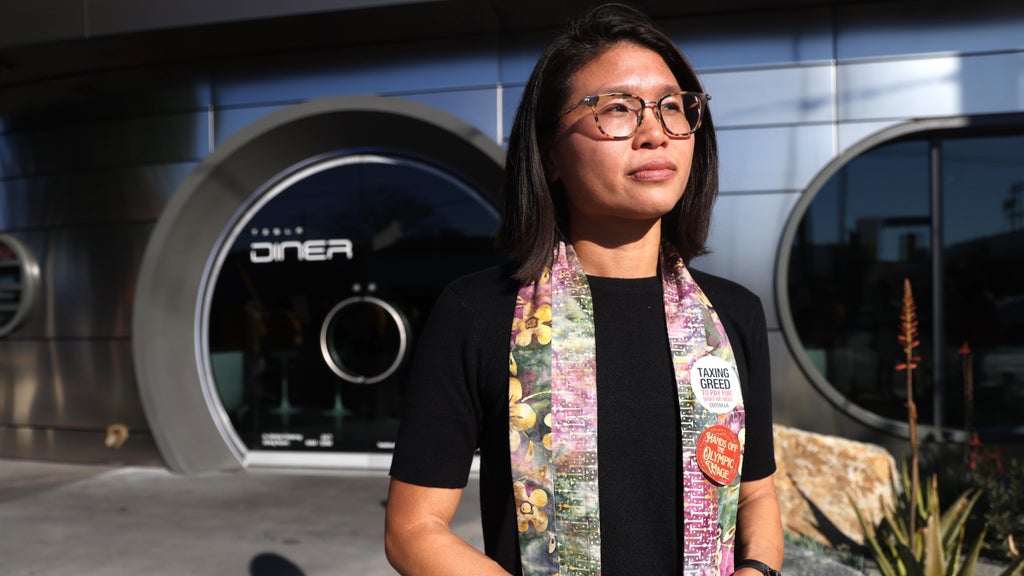
Endorsed by the Democratic Socialists of America, Huang outlined her position on bringing film production back to L.A. on her campaign website, stating that tax incentives are causing California to lose out on productions.
The housing advocate serves as deputy director of Housing Now California, a coalition of over 150 organizations that fights tenant displacement. If elected, she would be Los Angeles’ first Asian-American mayor.
Huang’s platform is similar to that of Bass and Raman’s, however she states that artificial intelligence and corporate consolidation are two of the leading threats to the film industry.
“We will fight to keep production in L.A. through streamlining permitting and other immediate local actions, but moreover, we will invest in the infrastructure, spaces and pathways that allow the next generation of creators and innovators to build their work here,” according to Huang’s campaign site.
“We will expand on the promises of the Octavia Lab and Koreatown Media Lab and invest in our public libraries to include small scale production tools, such as sound booths and technology suites, in multiple locations throughout the city,” she added.
The progressive candidate specifically noted that she is pro-union and stands with them in their fight against artificial intelligence. She said she aims to defend creative workers from the unchecked use of AI, centering human creativity.
Huang joined the mayoral race Nov. 15.
