
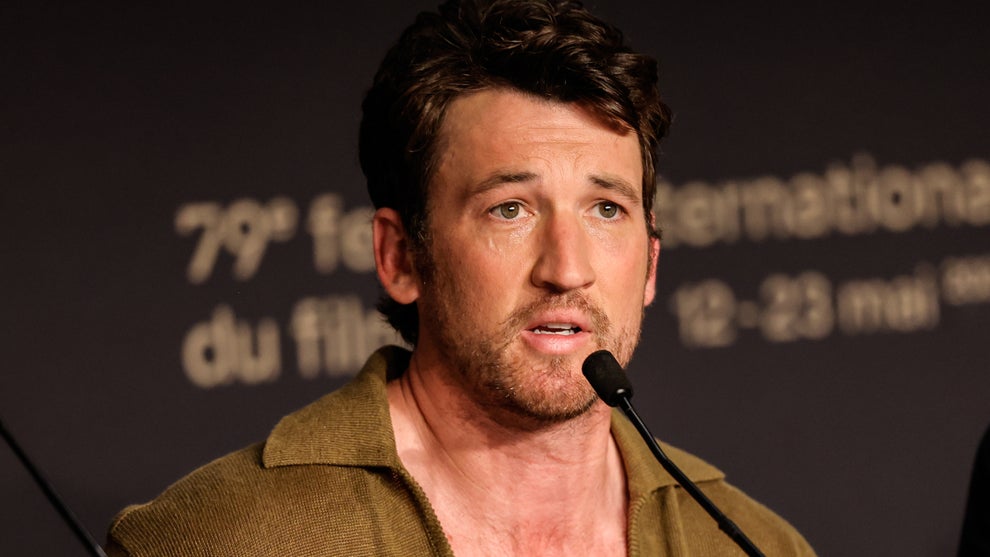
The Cannes Film Festival trudges on — just a couple days left! — and we’ve got your full rundown of Day 9, including some interesting comments from Miles Teller, a political dig from Pedro Almodóvar, an illuminating interview with Judith Godrèche and more reviews than you can shake a stick at.
Let’s get into it.
Why Miles Teller Won’t Do Profiles Anymore
Actor Miles Teller hasn’t sat down for a profile interview in over a decade, and that’s by design. The “Paper Tiger” star explained that he was so burned by an Esquire profile that labeled him “kind of a dick” that he swore off profiles going forward.
“That was so mishandled. The reason why I have not done profiles is because I said, ‘Wow, if I’m not doing this interview on camera, this person can misquote things or put things out of order or say things that didn’t happen,’” Teller told Indiewire. “It felt like such a violation of what actually transpired. I told my team, ‘Guys, I don’t think I’m doing this again, because I’m reading this and this doesn’t sound like me to me. This is not life, so why would I ever want to be a part of something where they can just put that in?’”

The actor added that “it’s unfortunate that being a good person, that doesn’t sell,” saying, “people want to click on the negativity.”
No matter, the “Top Gun: Maverick” star earned positive reviews for his turn in James Grey’s “Paper Tiger,” which has turned out to be one of the best-received films of the festival.
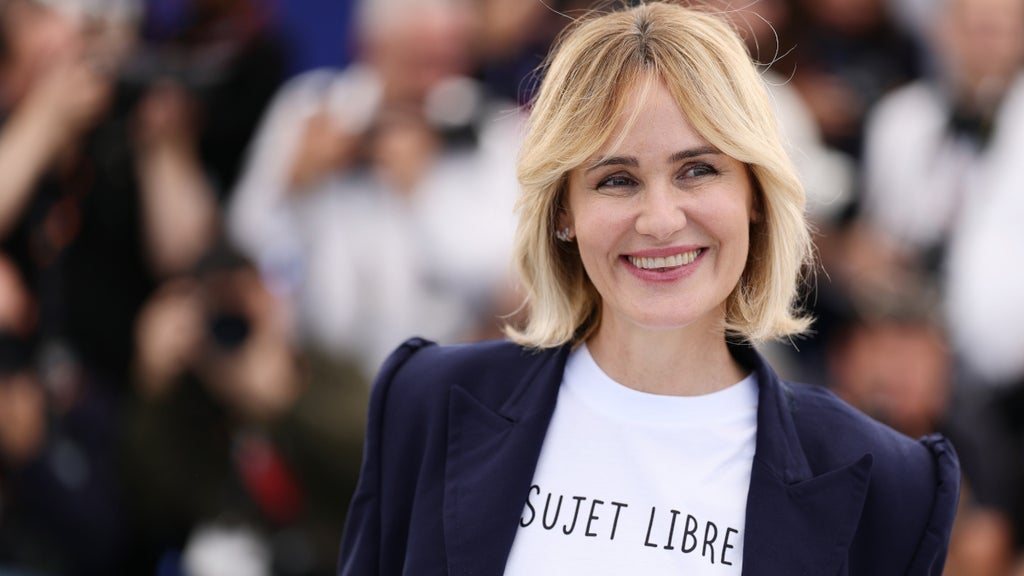
“Actors Are Not Supposed to Live the Violence”
Our Ben Croll sat down with filmmaker Judith Godrèche to discuss her new film “A Girl’s Story,” which chronicles a 17-year-old girl’s experience with sex and consent, and Godrèche offered plenty of insight into her feminist POV on the story.
“Making cinema responsibly matters most,” she said. “How to film violence in a feminist way, how to ensure the set is a safe place, how to make sure that my daughter’s first experience as a lead actress takes place in a context where she knows she can request an intimacy coordinator, where everything is properly framed. The first time is important. When you begin your career in a healthy environment — knowing what good conditions look like — it sets the tone for the future. When you start in a difficult context, you tend to believe that’s just how things are, and that you have to accept it.”

The filmmaker elaborated on how she believes in setting strict and clear boundaries once on set to protect the performers.
“Actors are not supposed to live the violence,” she continued. “Acting is a job. This is precisely what concerns me — the idea that because it’s your passion, anything can be asked of you and you can’t say no. That’s the grey zone. With an intimacy coordinator, a precise framework, agreed boundaries, rehearsals, all of that dismantles the fantasy that the actor must ‘live’ the violence. That can no longer be the reality.”
Almodóvar Challenges Artists to Speak Out
At the press conference for his new film “Bitter Christmas,” filmmaker Pedro Almodóvar earned a round of applause for saying, “Europe should never be subjected to Trump.” But he didn’t stop there, urging other artists to speak out on political issues.
“I don’t want to judge anyone, but I think artists have to speak out about the situation in which they live in contemporary society. It’s a moral duty,” he said. “Silence and fear is a symptom that things are going badly. It’s a serious sign democracy is crumbling. On the contrary, creators must speak out … The worst thing that could happen would be to remain silent or to be censored. We have a moral obligation to speak out.”
Reviews!
- ‘A Man of His Time’ Review: Odd-Duck Docudrama Explores the Gears of Fascism
- ‘Diamond’ Review: Andy Garcia Puts a Little Heart and Humor in Film Noir
- ‘Bitter Christmas’ Review: Pedro Almodóvar Gives Himself a Hard Time, and It’s Thrilling
- ‘Iron Boy’ Review: This Former Pixar Animator Has Made His Own Magical Hand-Drawn Movie
