
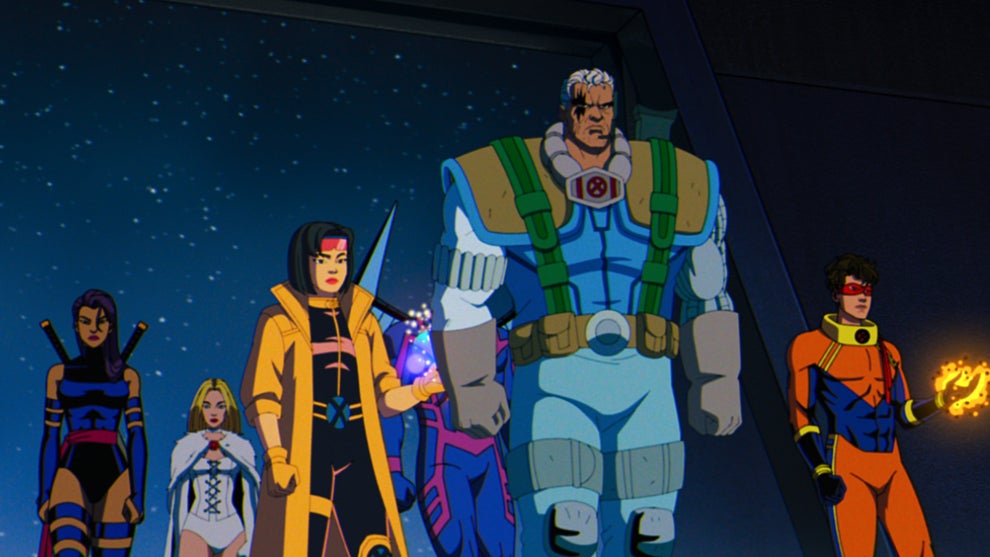
There are a lot of mutants. Like, a lot.
The history of “X-Men” is a long and winding road, spanning more than 60 years since Stan Lee and Jack Kirby launched the property in 1963 at the dawn of Marvel as we know it. An initial team of five heroes — Cyclops, Marvel Girl, Beast, Iceman and Angel — has grown exponentially over time, eventually expanding into a full-fledged mutant nation during the recent Krakoa era of the comics.

Following up on the acclaimed animated series from the 1990s, “X-Men ’97” continues to expand its own universe, bringing more mutants into the fold. The first batch of episodes for “X-Men ’97” Season 2 reintroduces viewers not just to the villainous Apocalypse and the central X-team, but also to a series of new mutant teams like X-Force and X-Factor.
So who are all of the mutants in “X-Men ’97” Season 2, and what’s their deal? Read on to find out.
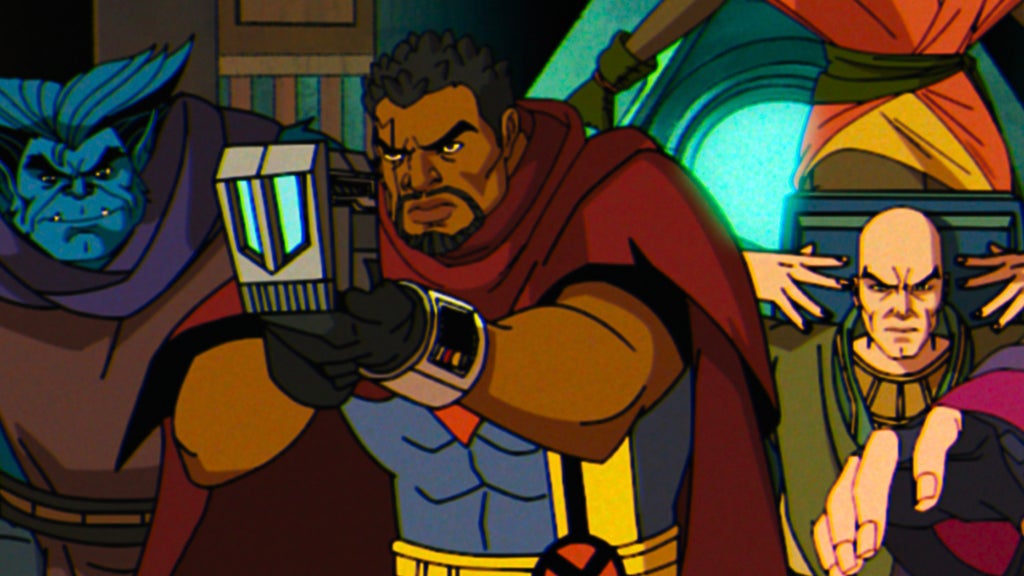
Bishop
When the X-Men are scattered throughout time, who better to help save them than Bishop, a mutant from the far future who travels back in time and becomes a member of the superhero team himself? The time-traveling mutant, who can absorb and redirect energy, and is voiced by Isaac Robinson-Smith, first appeared in “The Uncanny X-Men” No. 282 in 1991, created by Whilce Portacio and John Byrne.
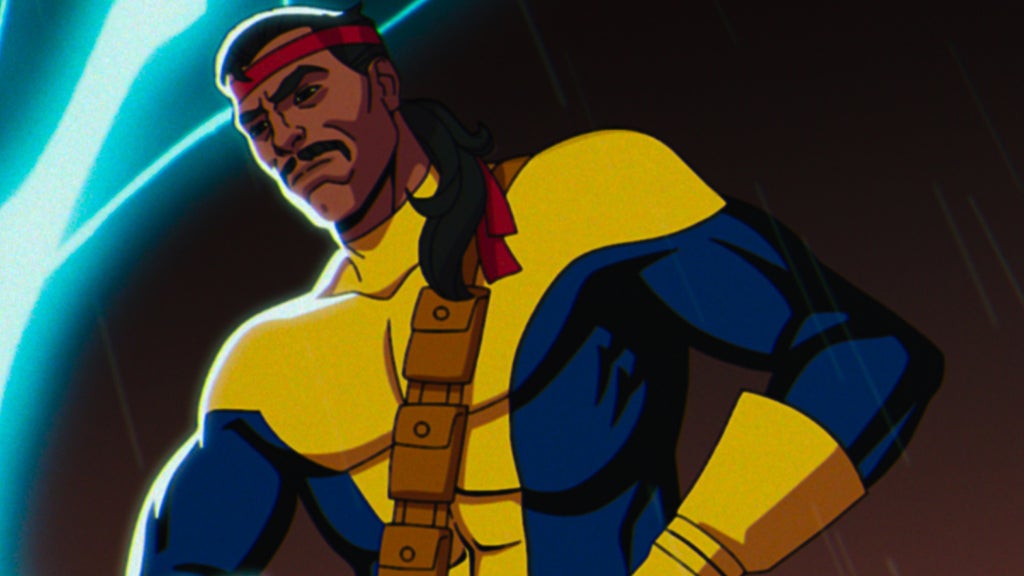
Forge
Joining Bishop on the rescue mission is Forge, a mutant with a supreme understanding of technology and mechanics, able to build and understand most any weapon or machine he needs. Voiced by Gil Birmingham, Forge debuted in 1984’s “Uncanny X-Men #184” by Chris Claremont and John Romita Jr.
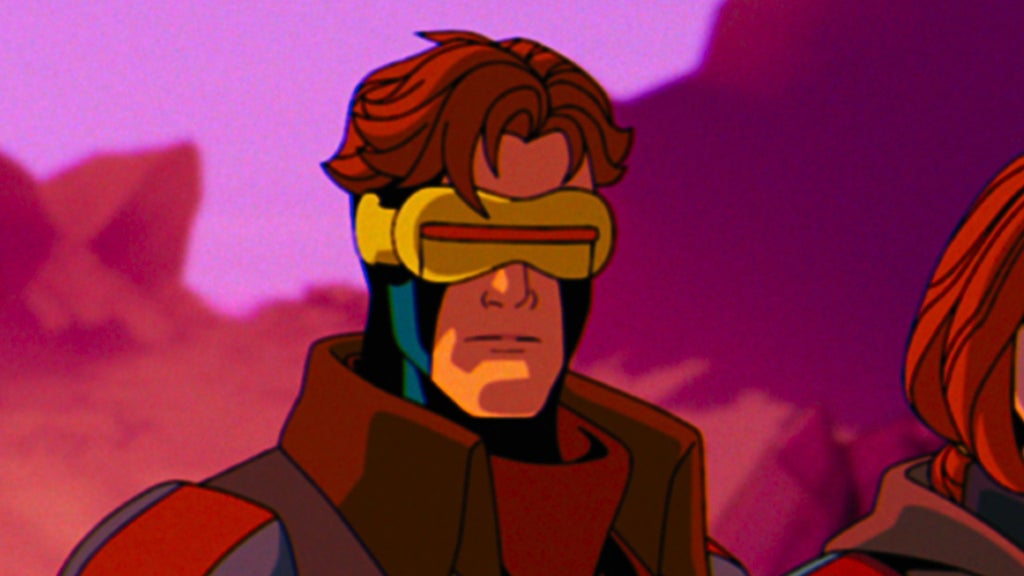
Cyclops
After several uneven cinematic adaptations, “X-Men ’97” reminded viewers why Cyclops is one of Marvel’s standout mutants. An original X-Men member, Cyclops uses a ruby quartz visor to control his optic blasts, which are featured in numerous action set pieces throughout the series. The blasts are not generated by his eyes; rather, his eyes act as a conduit for energy drawn from another dimension, often jokingly referred to by fans as the “punch dimension.” Scott Summers, voiced by Ray Chase, debuted in Stan Lee and Jack Kirby’s “The X-Men” No. 1.
Jean Grey
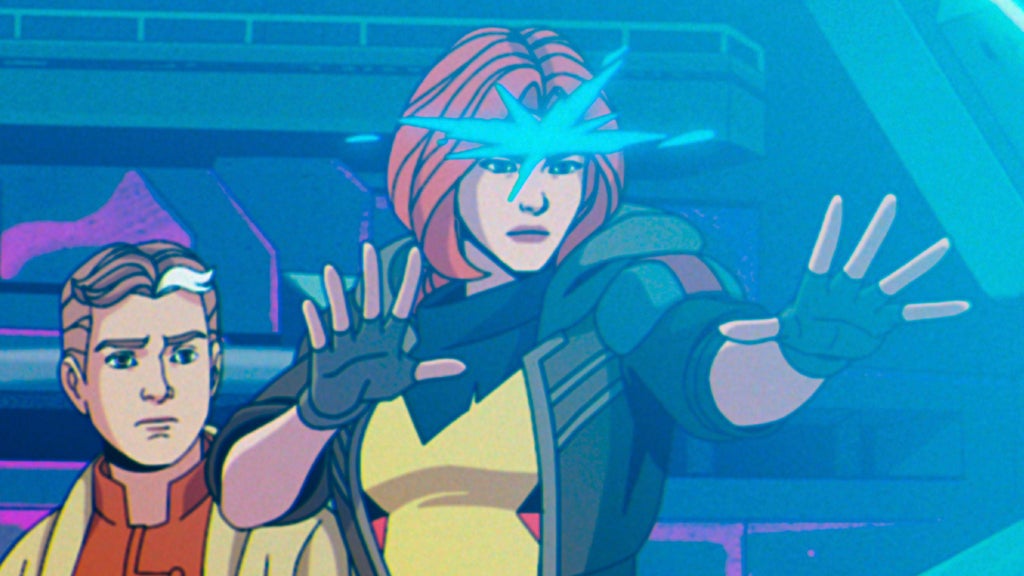
Another founding X-Men member, Jean Grey (also known as Marvel Girl and the Phoenix), is an Omega-level mutant, meaning her telepathic and telekinetic abilities have no known upper limit. Across various animated and comic storylines, Jean has endured significant trials: She has died and been resurrected, been replaced by the clone Madelyne Pryor, and sent her infant son into the far future. Like Scott Summers, Jean (voiced by Jennifer Hale) debuted in “The X-Men” No. 1.

Storm
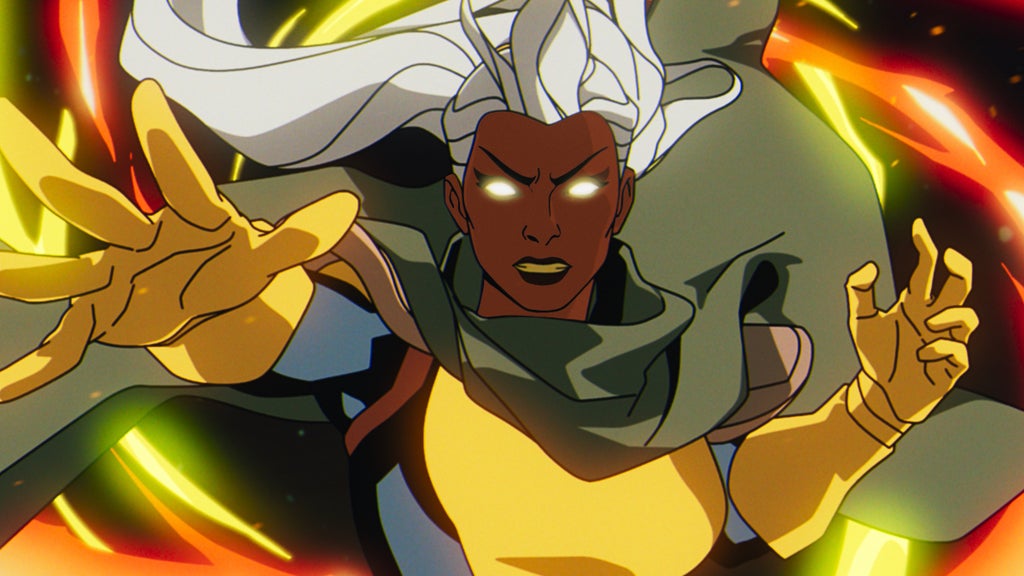
Another Omega-level mutant, Storm is one of the most powerful (and coolest) characters in “X-Men ’97” and the “X-Men” comics at large. In the first season of “X-Men ’97,” Storm temporarily loses her weather-controlling powers before later regaining them. Voiced by Alison Sealy-Smith, Storm debuted in Len Wein and Dave Cockrum’s “Giant-Size X-Men” No. 1, a 1975 comic that helped lay the groundwork for Chris Claremont’s influential “X-Men” run.
Morph
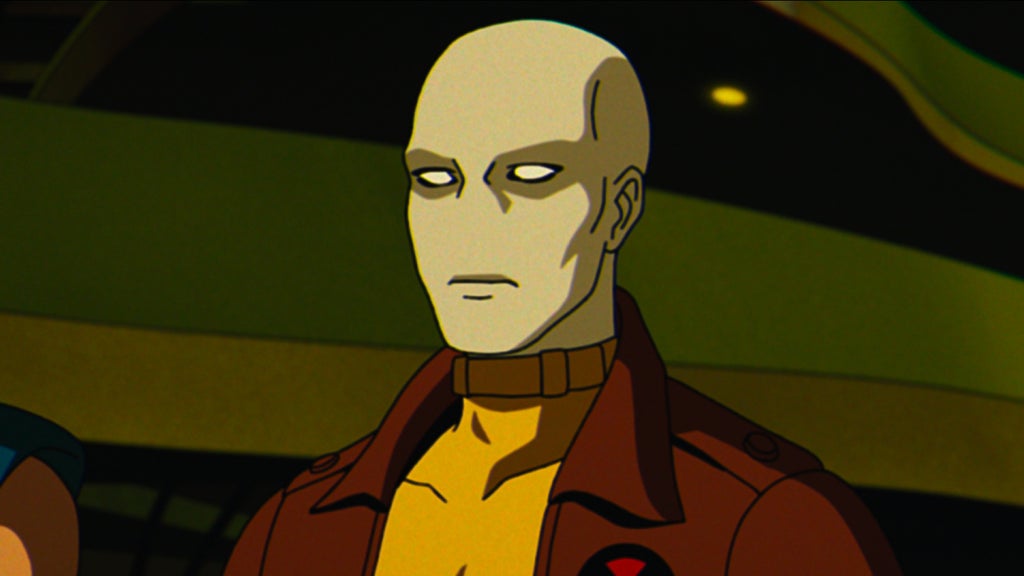
Morph is one of the less well-known members of the main “X-Men ’97” team, a shapeshifter who died in the original animated series’ two-part premiere before later being revived. The non-binary character often transforms into other Marvel figures, including Magik and Thor. Morph is loosely based on Roy Thomas and Werner Roth’s Changeling, who first appeared in “The X-Men” No. 35, though the version voiced by JP Karliak is largely defined by the original animated series rather than the comic book counterpart.
Wolverine
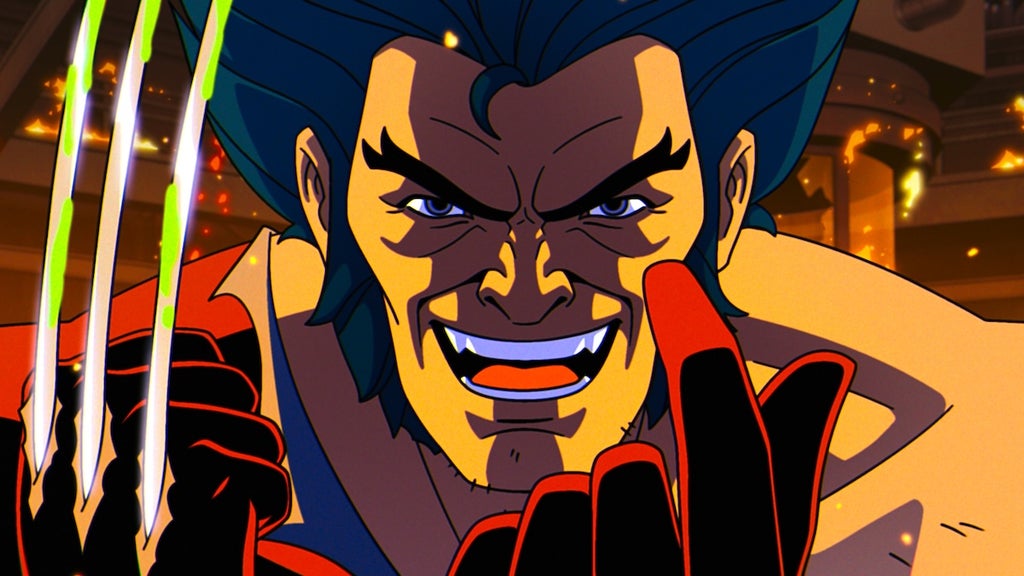
You already know this one, bub. Wolverine (voiced in “X-Men ’97” by Cal Dodd) is a functionally immortal mutant with adamantium-laced bones, retractable claws and a powerful healing factor. James “Logan” Howlett debuted not in an “X-Men” issue, but as an adversary in “The Incredible Hulk” No. 180, by Len Wein, John Romita Sr. and Herb Trimpe. He’s the best there is at what he does, but what he does isn’t very nice.
Professor X
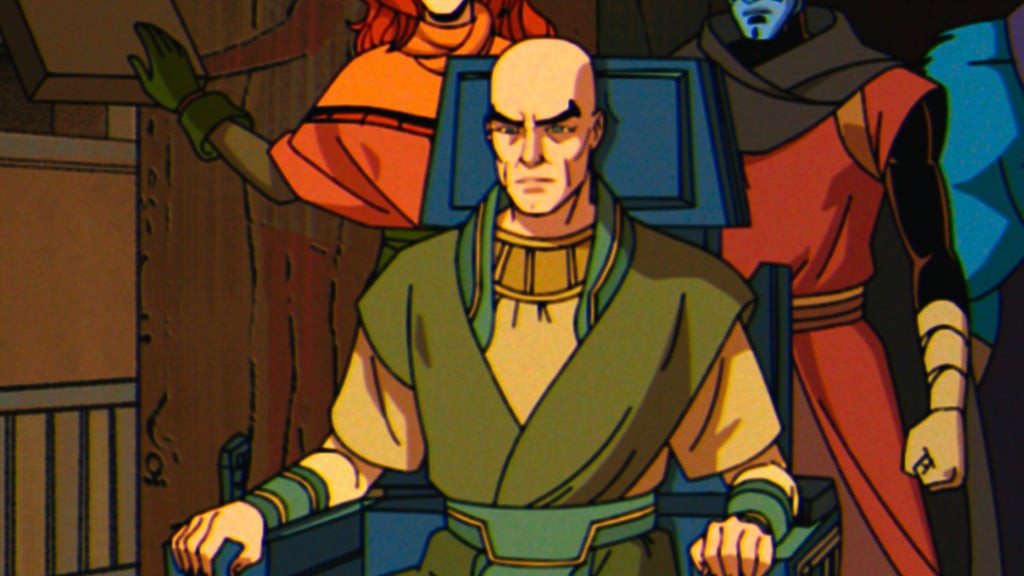
Another Lee and Kirby creation from “The X-Men” No. 1, Professor X is a powerful telepath who founded the X-Men and Xavier’s School for Gifted Youngsters in a quest for mutant-human harmony. In “X-Men ’97,” Professor X is voiced by Ross Marquand and becomes involved in a storyline that sends him back in time to the early days of Apocalypse.

Magneto
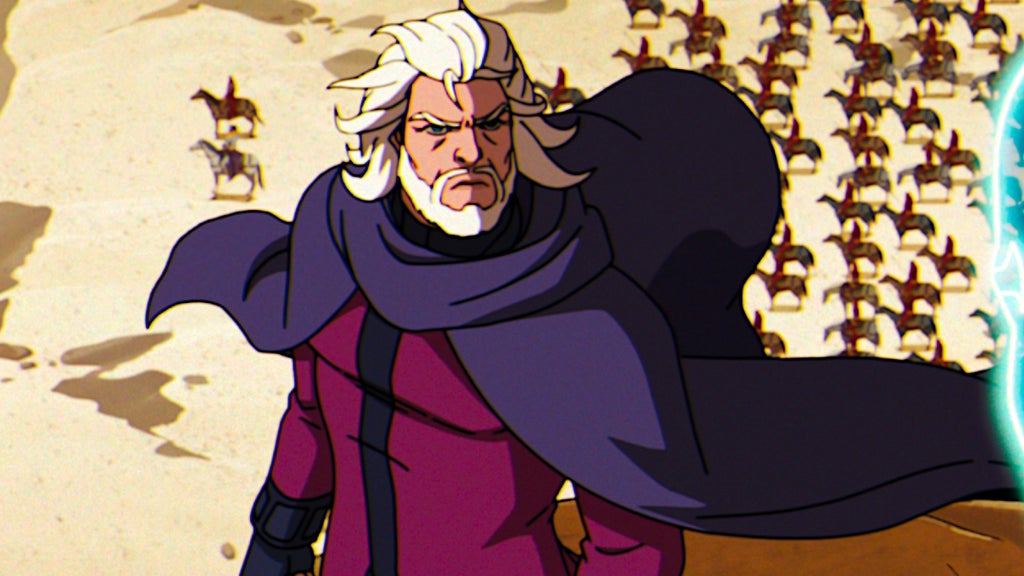
Magneto, a sometimes ally, sometimes adversary of the X-Men, is known as the master of magnetism, an Omega-level mutant renowned for both his physical abilities and strength of will. Max Eisenhardt is old friends with Charles Xavier, though they often come to blows over his harsher approach to combatting humanity’s evil in the name of mutant rights. Matthew Waterson voices Magneto, created by Lee and Kirby in “The X-Men No. 1.”
Beast
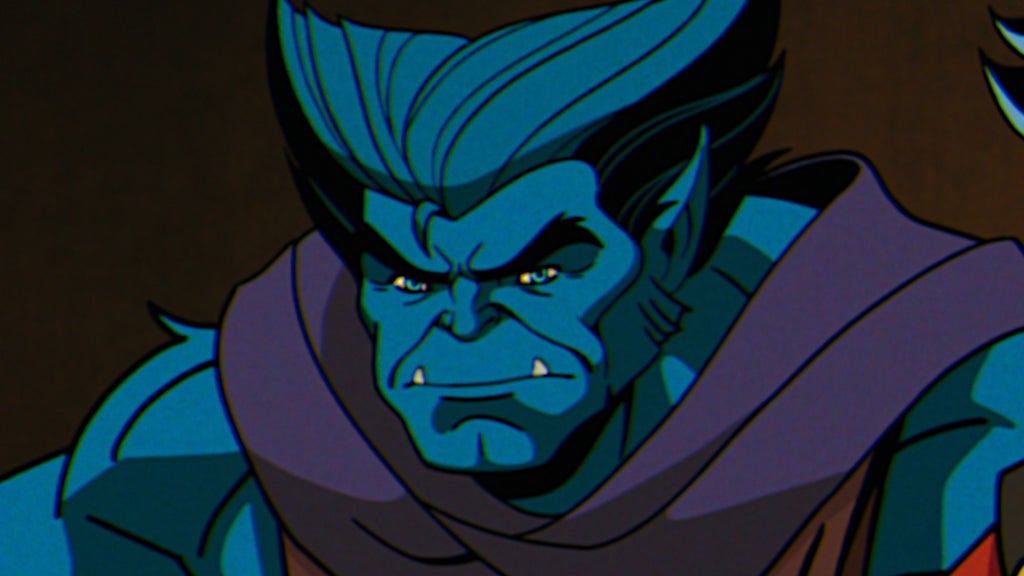
Hank McCoy, also known as Beast, has changed a lot since his first appearance as a founding X-Men member — to begin with, he’s sprouted blue hair and become more animalistic in appearance. Aside from his strength and agility, Beast (voiced by George Buza) also boasts a massive intellect that rivals most X-Men members.
Nightcrawler
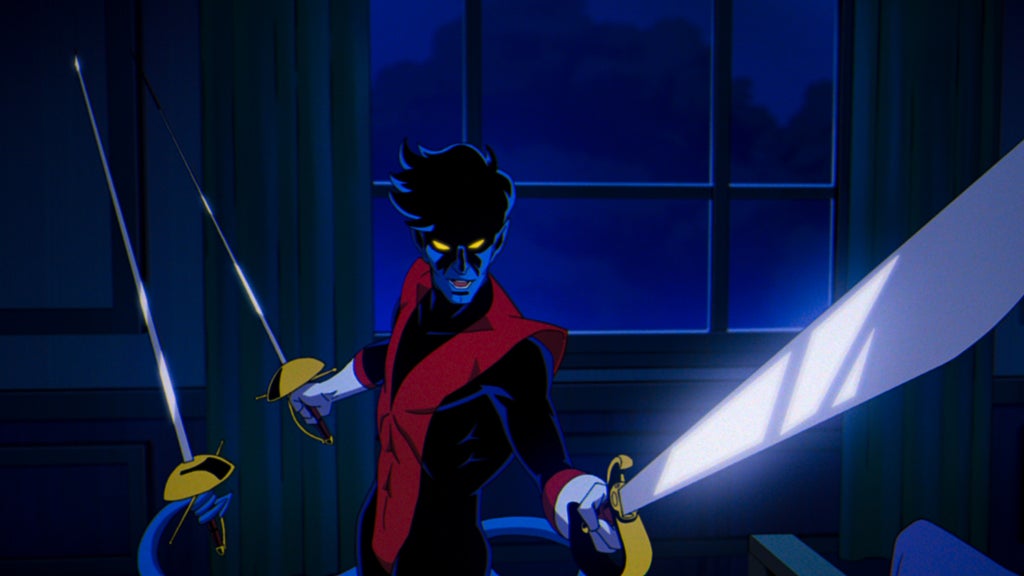
Another character who factors heavily into the Claremont era so beloved by “X-Men ’97,” Nightcrawler has a striking appearance — blue skin, pointy ears, yellow eyes and a spiked tail. He is also a man of faith, a swashbuckler, a teleporter and a close friend to many X-Men members. Adrian Hough voices Nightcrawler, also known as Kurt Wagner, who first appeared in Len Wein and Dave Cockrum’s “Giant-Size X-Men” No. 1, in the animated series.
Rogue
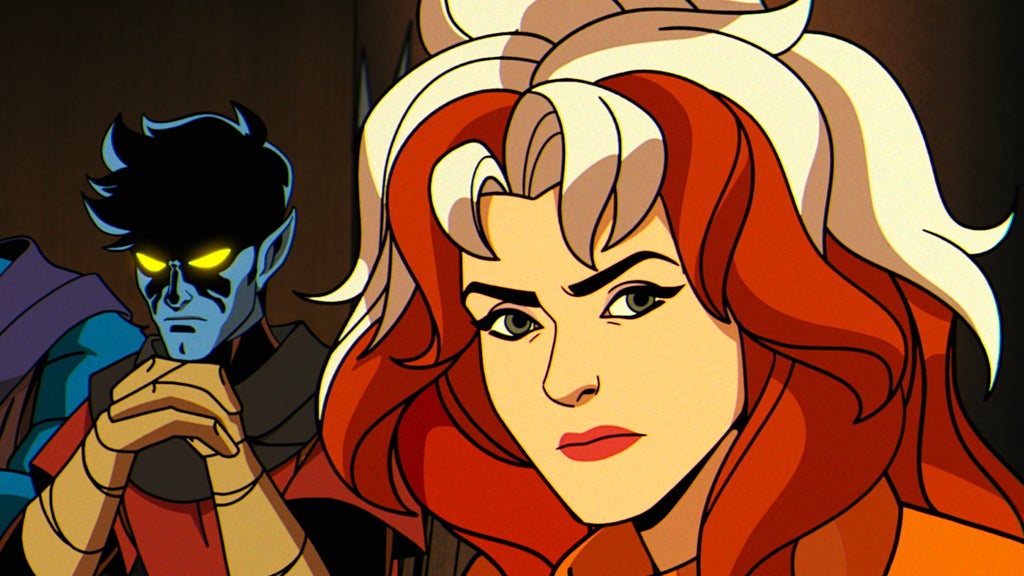
Rogue debuted not in an X-Men comic, but in “Avengers Annual No. 10” by Chris Claremont and Michael Golden. The character, who absorbs the life force and abilities of those she touches, faced a heavy loss in the first season of “X-Men ’97” following the death of her on-again-off-again lover, Gambit. Lenore Zann voices Rogue in the series.

Apocalypse
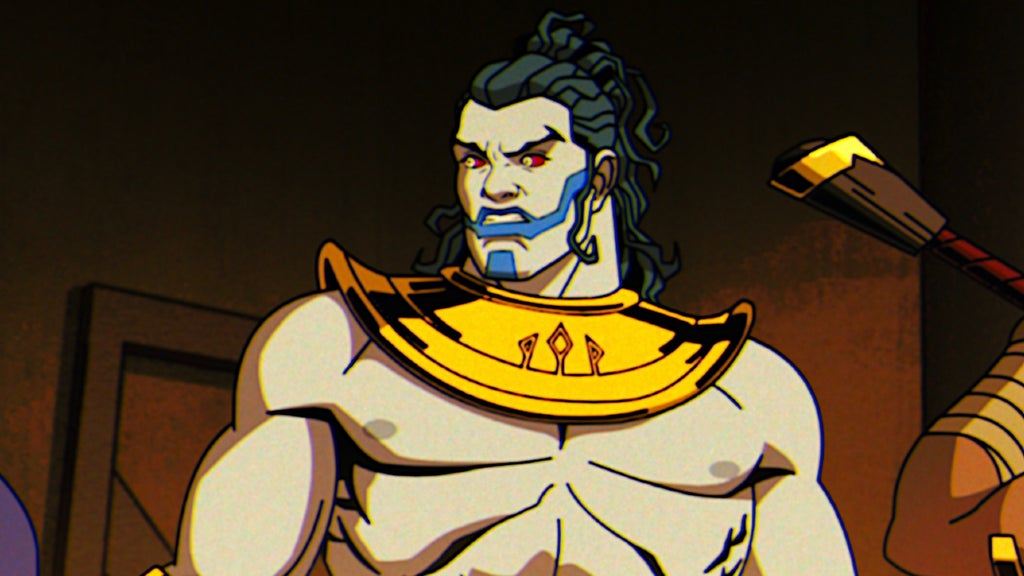
A major threat in “X-Men ’97,” Apocalypse (also known as En Sabah Nur) is one of the world’s first mutants — and among its most dangerous. The X-Men find themselves stranded in both the distant past and the far future, witnessing key moments in the villain’s origin and rise. En Sabah Nur is functionally immortal, with a wide range of abilities including energy manipulation, shapeshifting and enhanced physical and mental powers. Apocalypse is often aided by the Four Horsemen, whom he can transform and control in his pursuit of mutant supremacy and a philosophy of survival of the fittest.
The character, voiced by Ross Marquand as Apocalypse and Adetokumboh M’Cormack as En Sabah Nur, was created by Louise Simonson and Jackson Guice and made his full debut in “X-Factor” No. 5 in 1986.
Nathan Summers
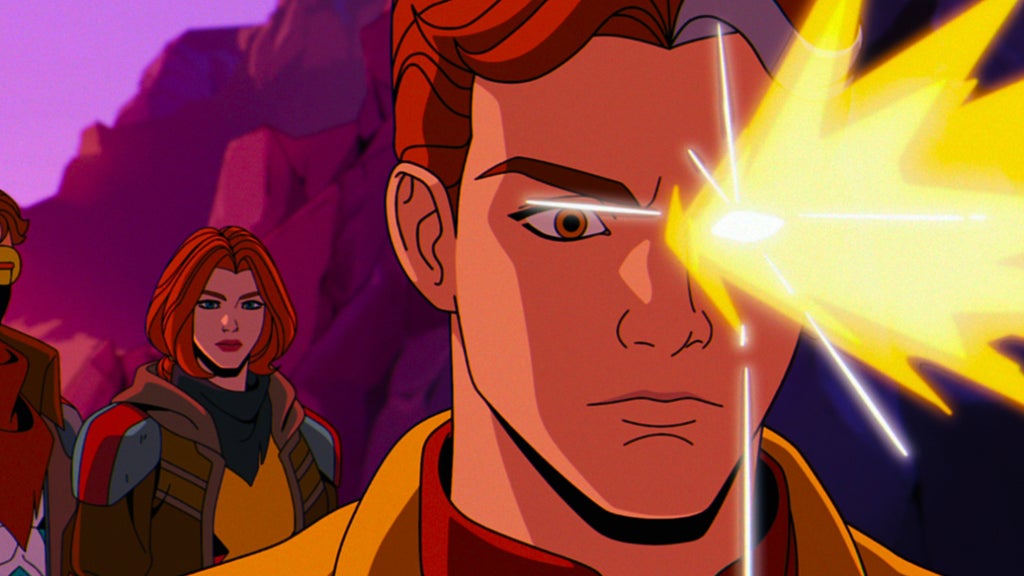
The time-traveling, cybernetically-enhanced warrior Cable already appeared in the first season of “X-Men ’97” (and returns this season, voiced by Chris Potter), but Season 2 also sees the X-Men interact with a younger Nathan Summers, now voiced by “Obsession’s” Michael Johnston. Nathan was sent to the far future by his parents (Cyclops and Jean Grey) to save him from a techno-organic virus, causing him to grow up in a harsher world than he would’ve otherwise known. Chris Claremont and Rick Leonardi created Nathan Summers for 1986’s “The Uncanny X-Men No. 201,” while Louise Simonson and Rob Liefeld debuted Cable in 1990’s “The New Mutants No. 87.”
Ozymandias
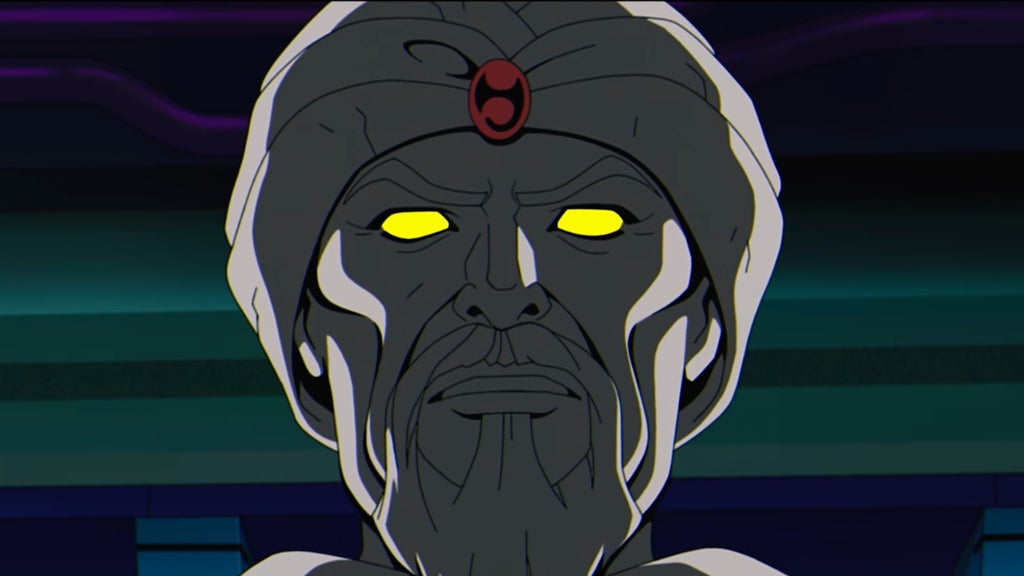
Now we get into some deeper cuts. You may be unfamiliar with Ozymandias, a stone-skinned mutant who serves Apocalypse in the new season’s first episode. In the comics, Ozymandias was the first servant of Apocalypse, granted immortality, regeneration, degrees of precognition and the ability to turn sculptures into living creatures. Scott Lobdell and Joe Madureira created the character, voiced by Tony Amendola, in 1996’s “Uncanny X-Men No. 332.”
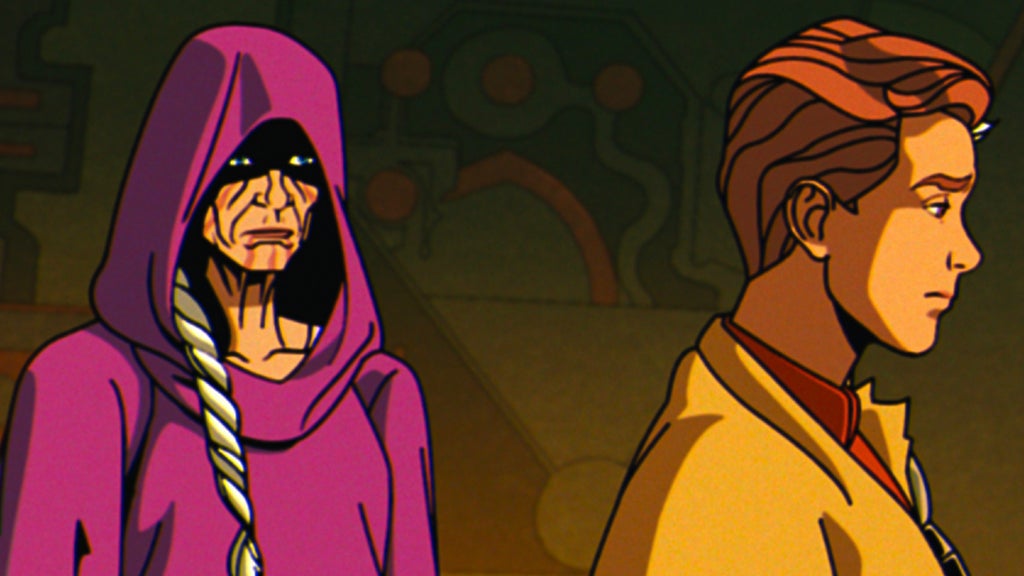
Mother Askani
“X-Men ’97” doesn’t reveal too much about Mother Askani, a mysterious figure from the future (voiced by Gates McFadden) who trains Nathan Summers. The series keeps her full role under wraps, and we won’t spoil it here.
In the comics, aspects of the character have been associated with different creative interpretations, including Fabian Nicieza and Dwayne Turner’s 1993 “Cable” No. 6, as well as earlier Claremont-era storylines involving future timelines tied to “X-Men” No. 141 (1980), depending on the version. Just know this is a massive mutant with deep ties to the history and future of the X-Men — and we talk a bit more about her true identity here.

The Final Horsemen
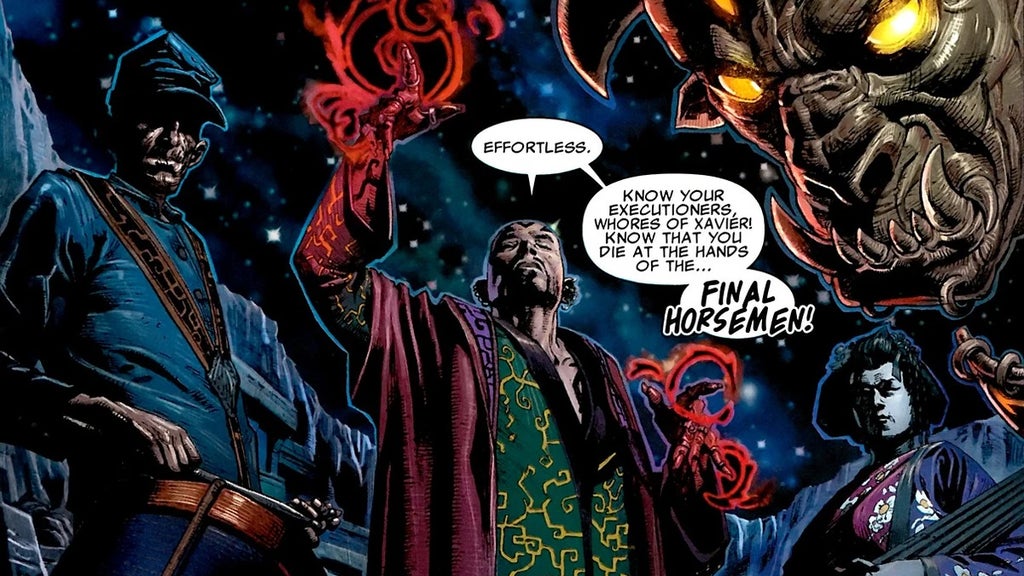
In the first episode of “X-Men ’97” Season 2, the future-flung X-Men come into contact with the Final Horsemen, a new version of Apocalypse’s warrior quartet. These characters stem from Rick Remender and Jerome Opena’s widely acclaimed “Uncanny X-Force” run, debuting in the first two issues. These horsemen include Ichisumi (Pestilence), a samurai’s daughters from 1800s Japan with control over insects; Jeb Lee (Famine), a Confederate drummer whose beats deliver a flesh-eating cancer to those who can hear; Decimus Furius (War), a superstrong minotaur from Ancient Rome; and Sanjar Javeed (Death), a Persian mutant who can spread disease to his targets.
Psylocke
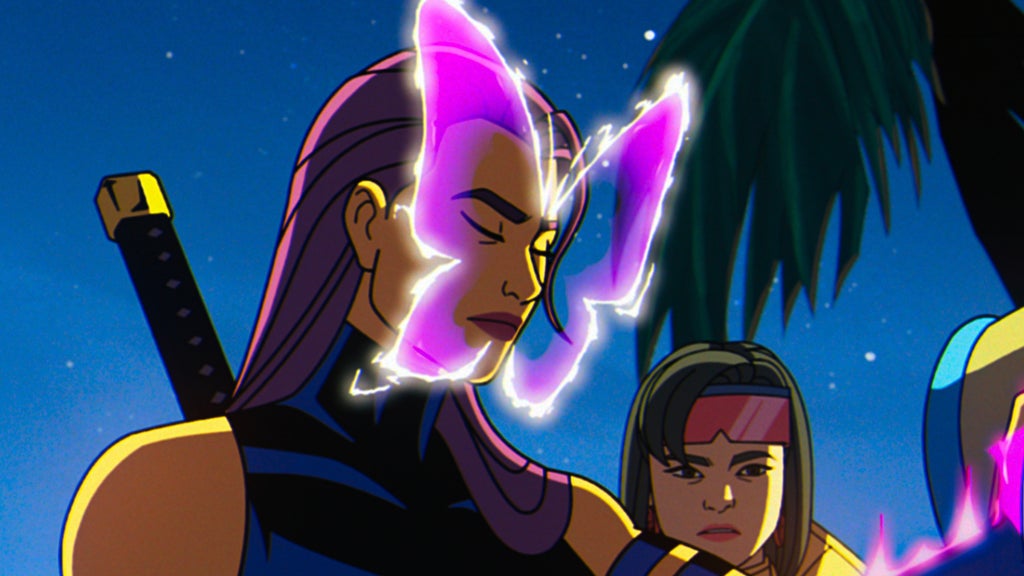
Psylocke is one of Marvel’s most popular mutants, and also one of its most complicated. Chris Claremont and Herb Trimpe debuted Betsy Braddock, a mutant telepath, in 1976’s “Captain Britain No. 8.” Later, Betsy found herself in a body switch situation with the psychic assassin Kwannon, created by Fabian Nicieza and Andy Kubert 1992’s “X-Men No. 17.” It’s unclear where exactly the Psylocke of “X-Men ’97” (voiced by Naoko Mori) is in her journey, but this version appears to be an amalgamation of Betsy and Kwannon’s traits.
Archangel
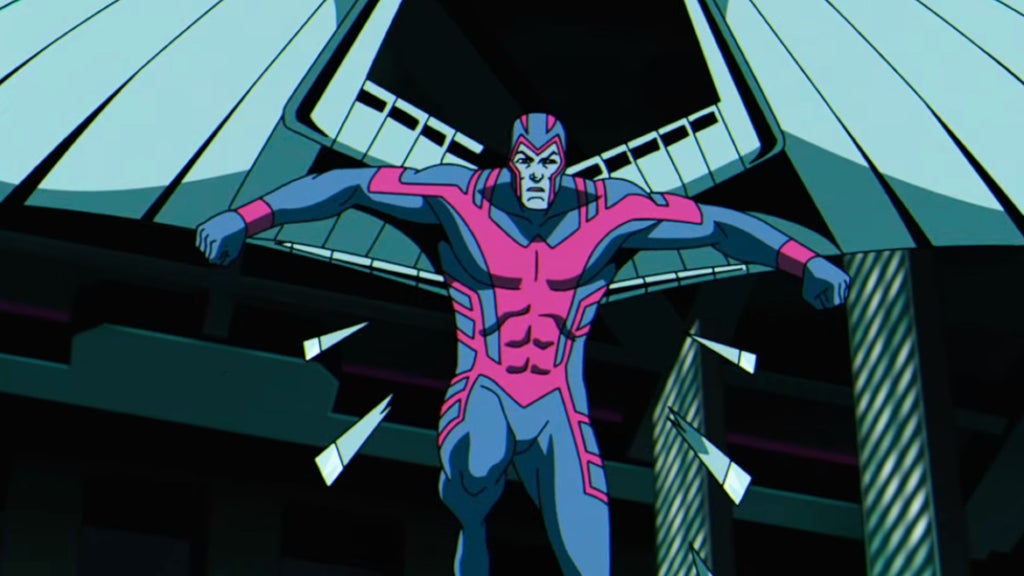
Once, Warren Worthington III was a founding member of the X-Men known as Angel, created by Lee and Kirby in “The X-Men No. 1.” After being transformed into a horseman by Apocalypse (replacing his feather wings with metal), he took on the darker moniker of Archangel. Now, he joins Pyslocke as an X-Force member, voiced in “X-Men ’97” by Christopher Barger.
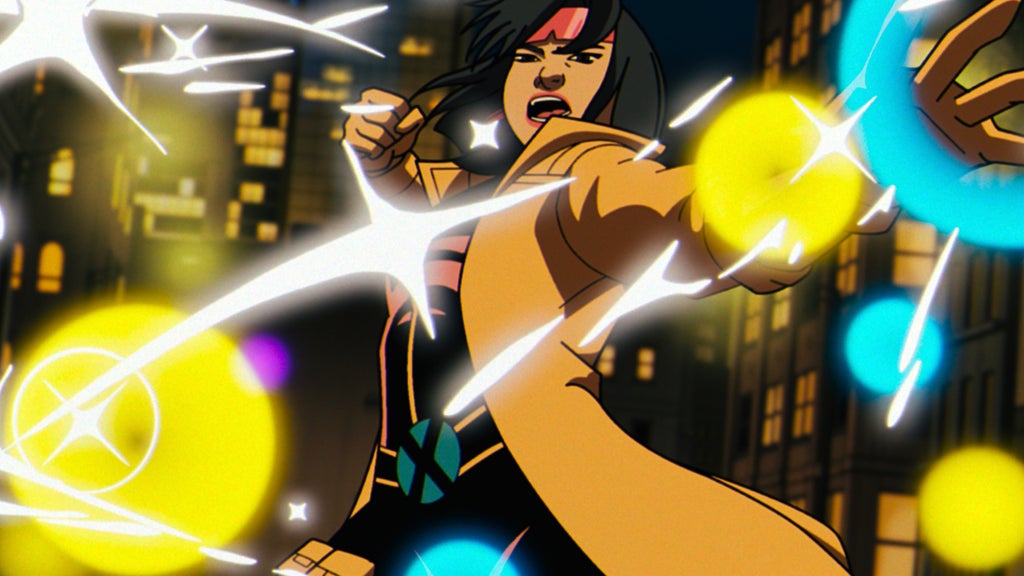
Jubilee
Jubilee started off in the “X-Men ’97” universe as an audience surrogate, allowing viewers of the original animated series to learn about the mutants as she meets the X-Men in the first episode. Now, the character gets one of the standout scenes in the first batch of “X-Men ’97” Season 2 episodes, showing off her firework-like powers in an incredible poppy action sequence in the second episode (set to Vercua Salt’s “Volcano Girls”). Holly Chou voices the character, who debuted in Claremont and Marc Silvestri’s “The Uncanny X-Men No. 244” in 1989.

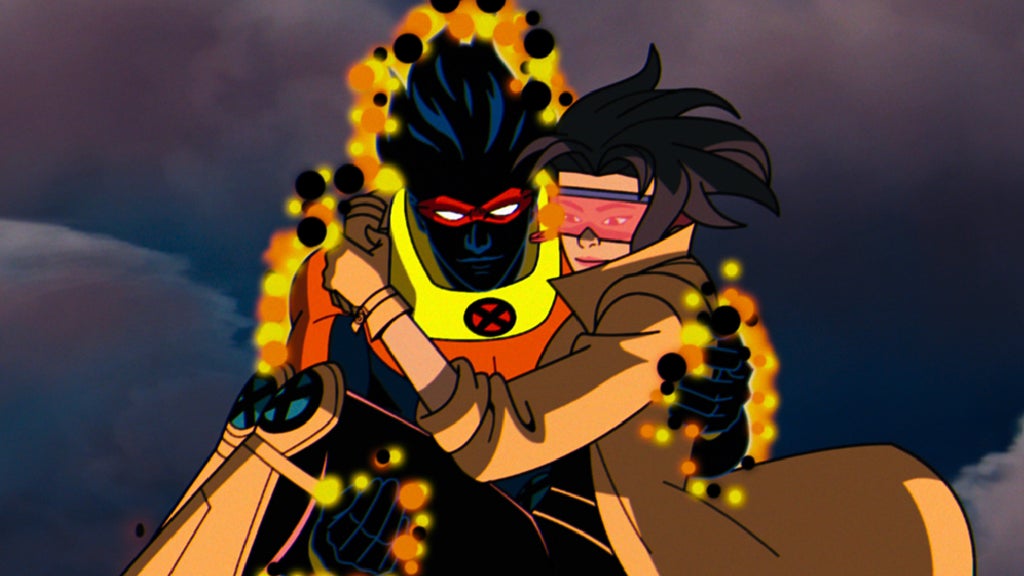
Sunspot
After debuting in Chris Claremont and Bob McLeod’s 1982 graphic novel “The New Mutants,” Sunspot has gone on to become one of the most popular mutants in Marvel Comics, a wealthy, charming hero who can absorb and channel solar radiation. Gui Agustini voices Roberto Da Costa in “X-Men ’97,” where he’s been shown striking up a relationship with Jubilee. If you want to know what makes this character so awesome, check out the recent “X-Men: Red” by Al Ewing and Stefano Caselli for a some stellar standout moments.
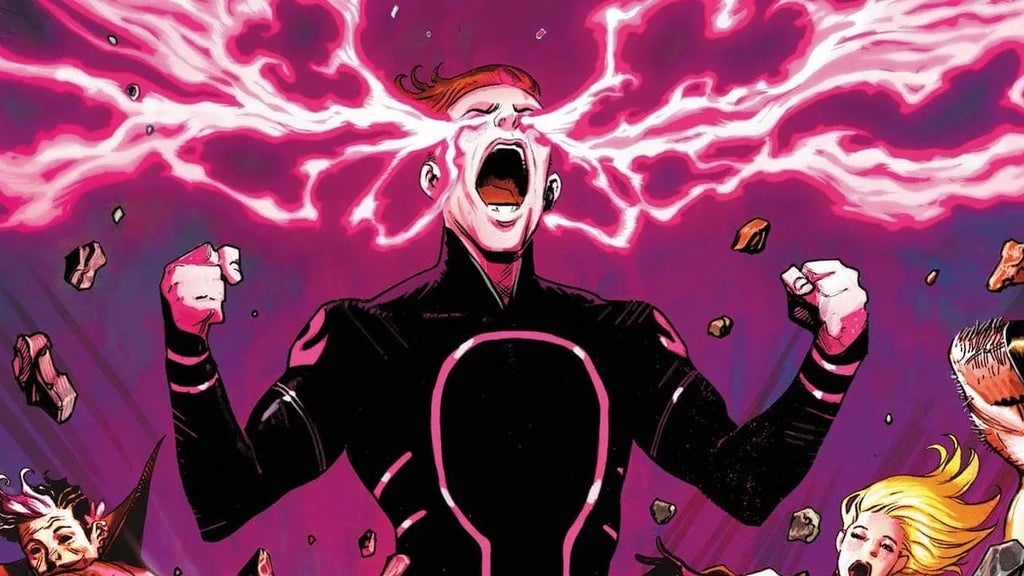
Kid Omega, Penance and the Mutants on the Run
The second episode of “X-Men ’97” Season 2 shows a group of mutants on the run from X-Factor. There are a number of notable characters among this group, including Kid Omega (the powerful telepath Quentin Quire, created by Grant Morrison and Keron Grant) and Penance (a superstrong mutant with a wide variety of powers, including changing her physical form to have red diamond skin and sharp claws), also known as Monet St. Croix and created by Scott Lobdell and Chris Bachalo. These are the first of a series of new mutants that appear in brief cameos throughout the episode.
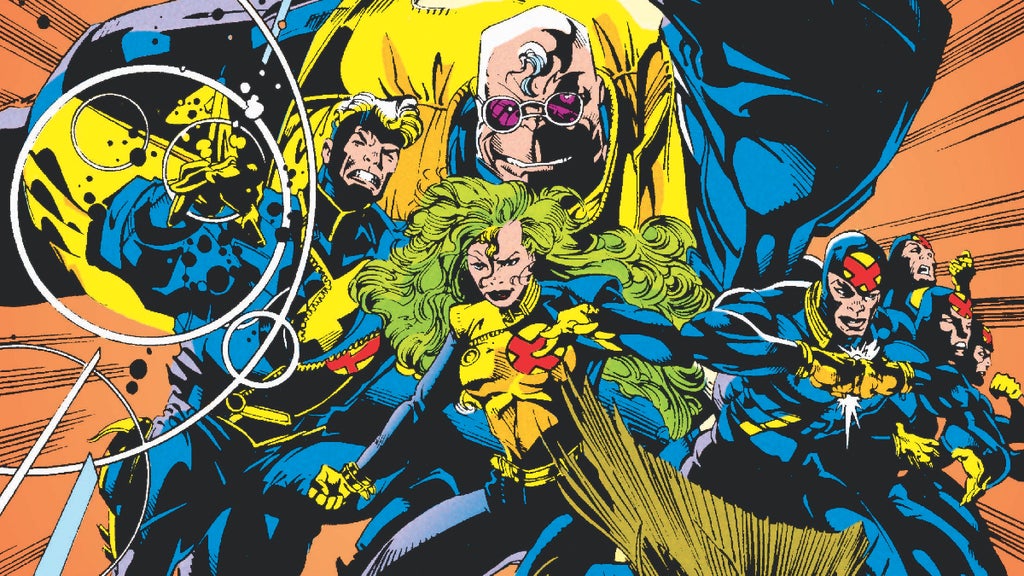
X-Factor
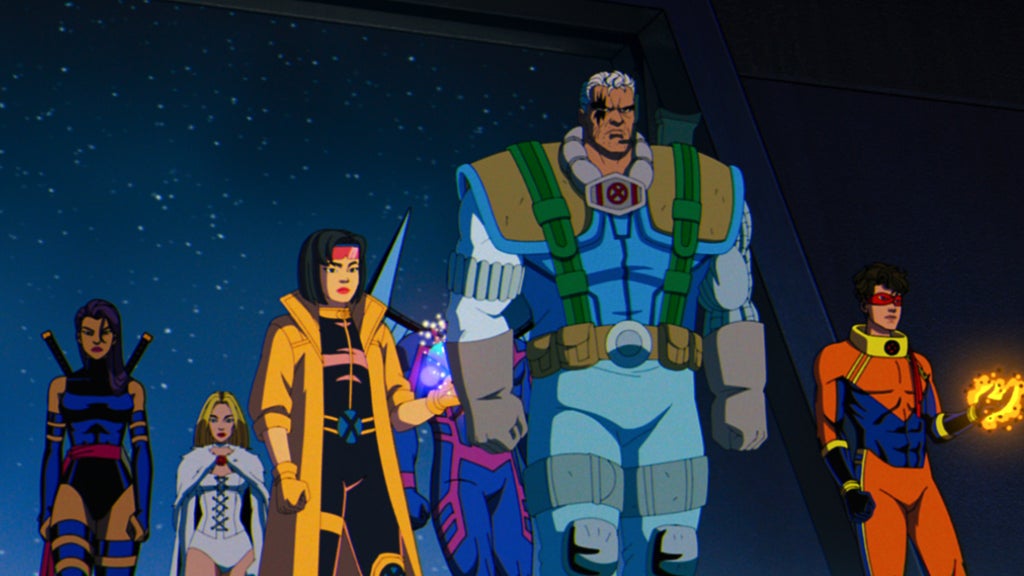
Two mutant teams take the forefront in “X-Men ’97” Season 2, Episode 2. The first is X-Factor, a group created by Bob Layton and Jackson Guice in 1985’s comic of the same name. This team has played many roles over the years, though they’re used in this episode as contractors hunting down mutants for the U.S. government. The unit is led by Polaris (Magneto’s daughter with similar powers to his own, voiced by Carolina Ravassa and created by Arnold Drake and Jim Steranko in “The X-Men No. 49”) and Havok (Scott Summers’ brother with the ability to shoot plasma discs, voiced by Teddy Sears and created by Arnold Drake and Don Heck in “The X-Men No. 54”). Other members in the “X-Men ’97” lineup are Strong Guy, Multiple Man and Wolfsbane.
X-Force
The popular comic book team X-Force, created by Fabian Nicieza and Rob Liefeld in 1991’s “The New Mutants No. 100,” makes an appearance in “X-Men ’97.” Led by Cable, X-Force is typically, both in the comics and in this series, a more aggressive group that uses covert operations and harsher methods than the X-Men to further their aims. In this show, the group (consisting of Cable, Jubilee, Sunspot, Archangel and Psylocke) hunts down Abraham Kieros (Lawrence Bayne), a War Horseman of Apocalypse with energy manipulation powers, introduced by Louise and Walter Simonson in 1986’s “X-Factor No. 11.”

Emma Frost
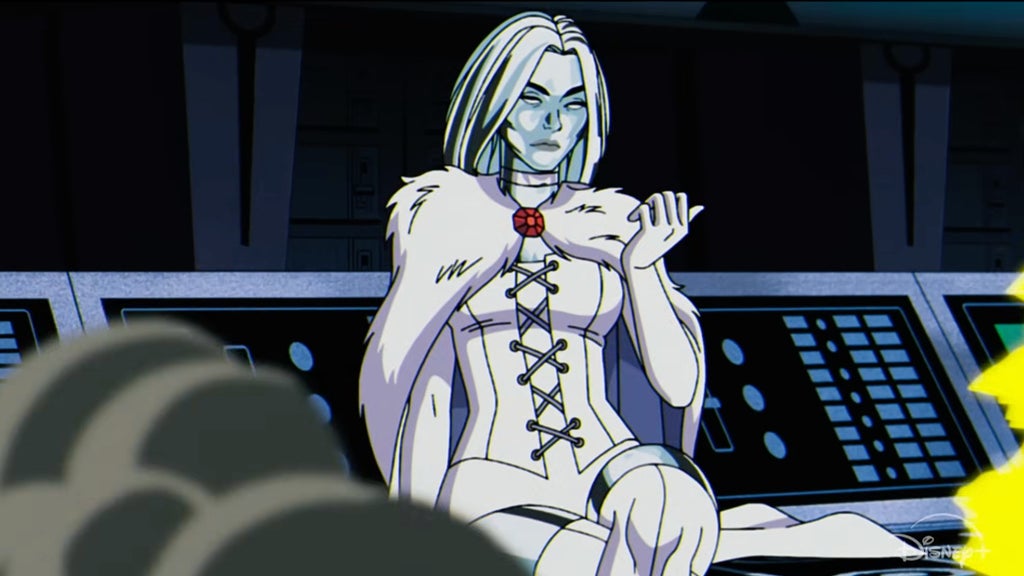
If you’ve made it this far, you probably already know Emma Frost, a Chris Claremont and John Byrne creation from 1980’s “The Uncanny X-Men No. 129.” This diamond-skinned telepath who wields wealth and societal clout as well as her powers. Zehra Fazal voices the sometimes-hero, sometimes-villain in “X-Men ’97.”
The Prisoners
Fair warning, we’re not going to name every mutant that appears in this sequence.
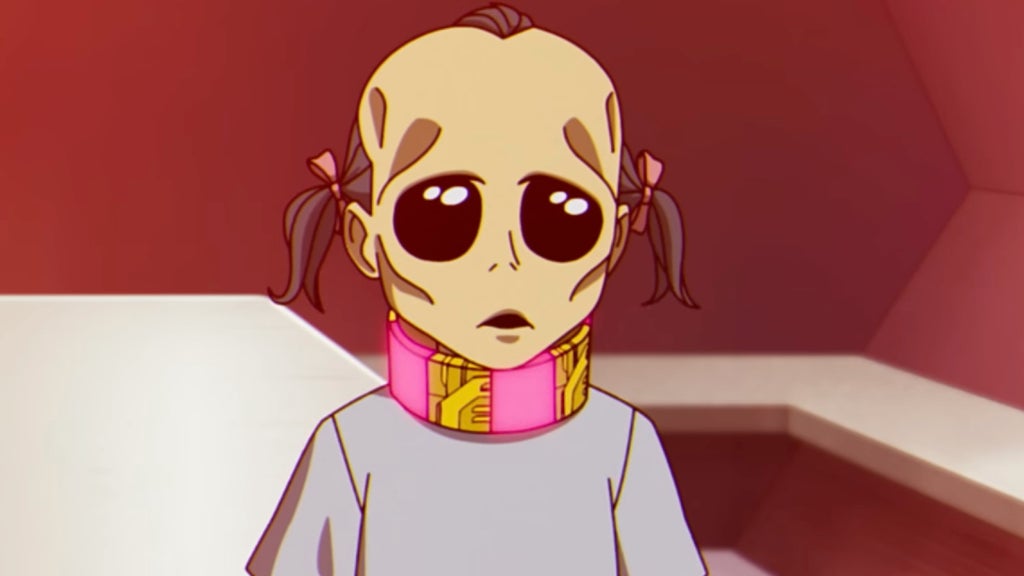
Jubilee’s big action set piece involves her freeing a collection of mutants from X-Factor’s capture. In one pivotal moment, she turns back to protect an unnamed mutant some fans may recognize as Maggie, a young girl protected by Phil Sheldon in Kurt Busiek/Alex Ross’ pivotal book “Marvels” (seen on the iconic cover of “Marvels No. 2” in the arms of Angel). If you haven’t read that book, it’s one of the most meaningful comics Marvel ever published and a brilliant “X-Men” story from an outsider’s perspective.
Another fan-favorite, Glob Herman, appears in this sequence. Created by Grant Morrison and Ethan van Sciver, Glob’s body is made of a translucent pink wax that allows you to see his eyes and skeleton — and also gives him strength and durability. Morrison and van Sciver’s Stepford Cuckoos also pop up here, daughters of Emma Frost who share a telepathic hive mind.
Other characters briefly glimpsed include Chamber (a mutant overflowing with so much psionic energy that his powers blew a hole in his lower mouth, causing him to wear a bandana covering), Dust (who can turn her body into living sand) and Anole (a green, reptilian mutant).
Rama-Tut
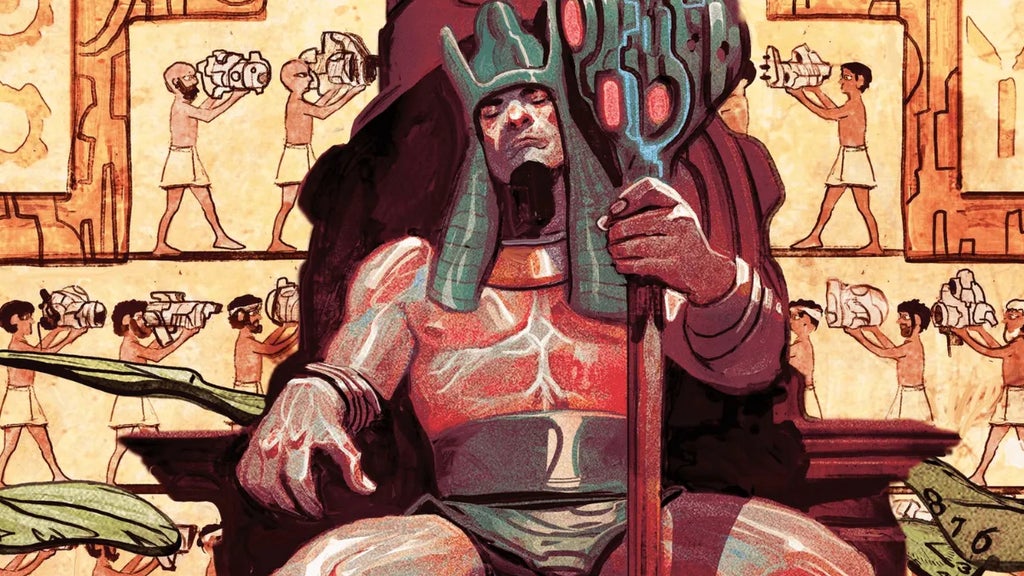
Let’s make one thing clear up top: Rama-Tut is not, technically speaking, a mutant. However, Marvel fans knew that this character had more power than he let on, with some pretty notable connections to the larger comic book universe. That became clear to show-only fans in the third episode, as Rama-Tut revealed himself to be none other than Kang the Conquerer.
John de Lancie voices the character in “X-Men ’97,” who is allied in Season 2 with Candra (voiced by Debra Wilson). Created by Howard Mackie and Lee Weeks in 1993’s “Gambit No. 1,” Candra is an External mutant with the gift of immortality, shown in the original animated series with a connection to Gambit through the Thieves Guild.
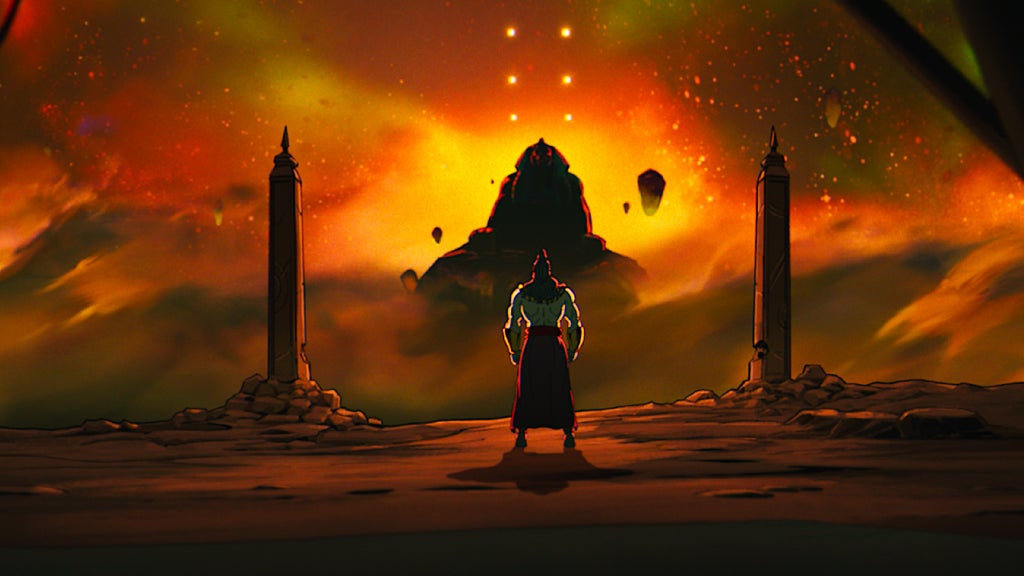
Eson the Searcher
Another entry to the “Not really a mutant” camp, it’s worth pointing out that the fourth (and, more subtly, third) episodes of “X-Men ’97” Season 2 feature Professor X and En Sabah Nur communicating with Eson the Searcher, a celestial who first appeared in the MCU very briefly back in James Gunn’s first “Guardians of the Galaxy” feature. Eson is one of the massive cosmic beings known as the Celestials, introduced by Jack Kirby all the way back during his incredible 1970s “Eternals” comic of the 1970s (with Eson specifically debuting in “Eternals #9”). In this series, Eson uses its cosmic power to imbue Nur with greater abilities as Apocalypse.
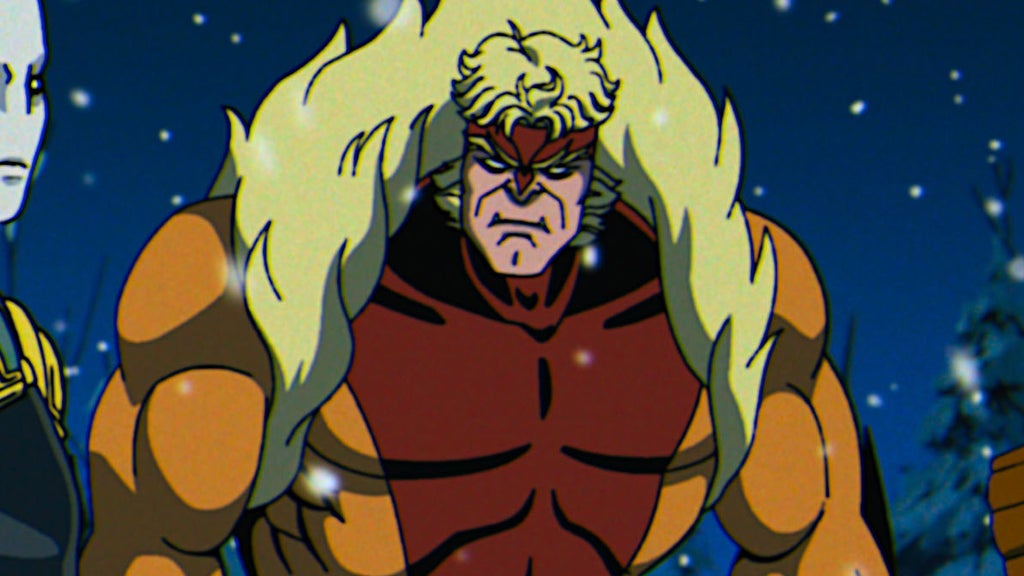
Sabretooth
Victor Creed, Wolverine’s arch-enemy with claws, heightened senses and a healing factor much like his own, appeared in the fifth episode of “X-Men ’97.” There, Sabretooth (chiller than he’s often depicted) teamed up with Logan, Morph and the rest of Team X previously seen in the original “X-Men” animated series. Sabretooth (voiced by Darin De Paul) debuted in Chris Claremont and John Byrne’s “Iron Fist #14” in 1977 before transitioning into an X-Men/Wolverine villain.
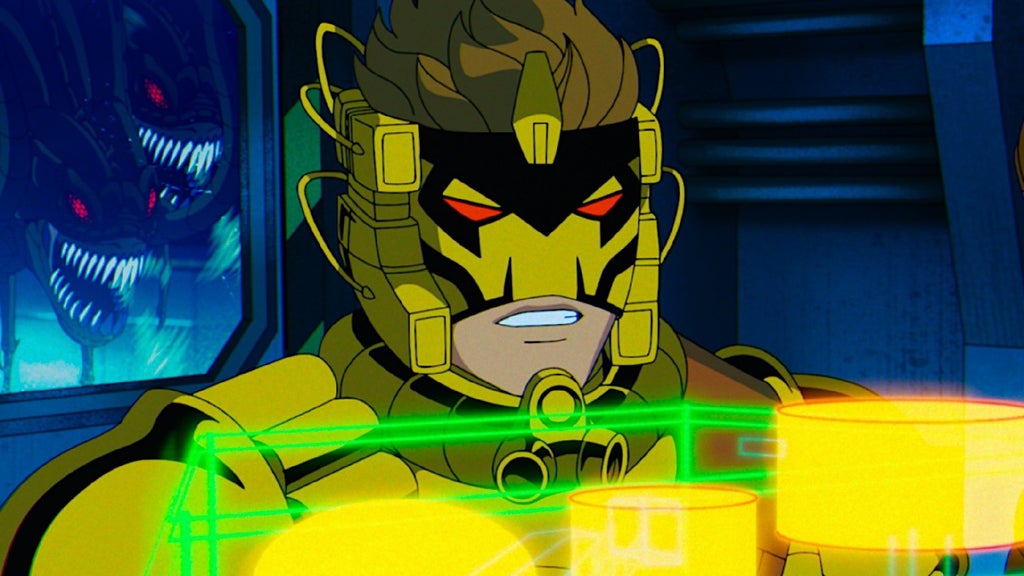
Maverick
Christoph Nord (also known as David North, Agent Zero, Morse and Maverick) is a creation of Larry Hama and Marc Silvestri from 1991’s “Wolverine #5.” While this Team X member, voiced by Crispin Freeman, has mutant abilities including kinetic energy absorption, he’s most dangerous for his skill as a marksman and fighter.
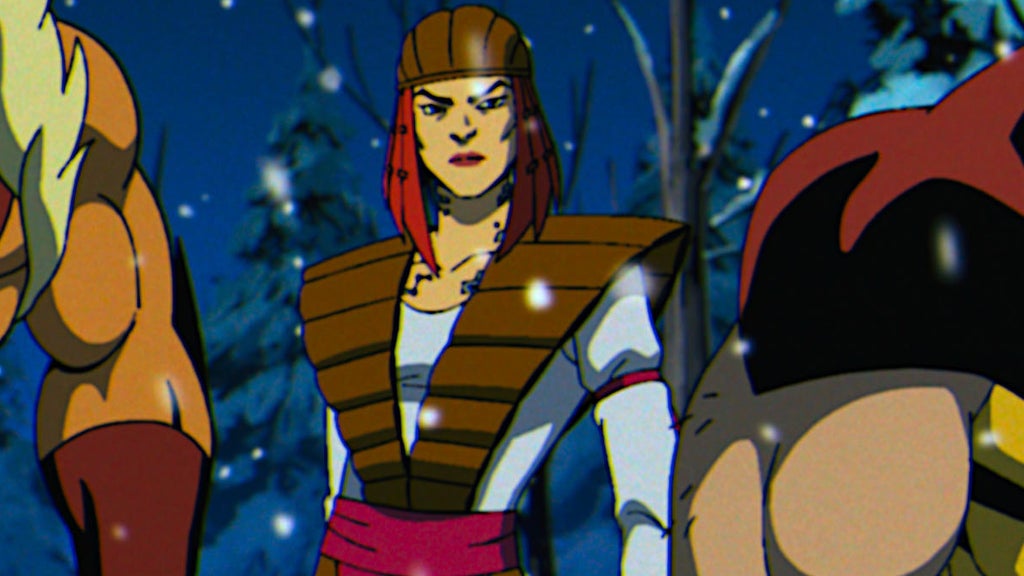
Lady Deathstrike
Lady Deathstrike, voiced by Erika Ishii, is another Team X member with a healing factor and an adamantium skeleton, extended through fingernail-like claws rather than Wolverine’s between-the-knuckles razors. Yuriko Oyama, who shares a romantic past with Logan, first appeared in Dennis O’Neil and William Johnson’s “Daredevil #197” in 1983 (and later took on the Lady Deathstrike moniker in Bill Mantlo and Sal Buscema’s “Alpha Flight #33” three years later). This character also notably appeared in “X2,” played by Kelly Hu.
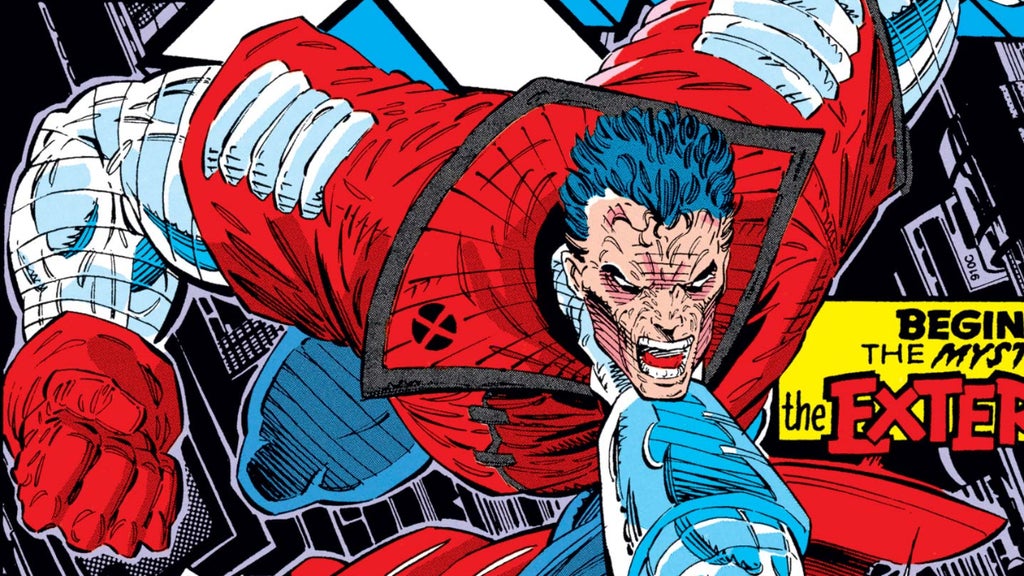
Kane
Fabian Nicieza and Rob Liefeld created Garrison Kane, a cyborg from the Weapon X program, in 1991’s “X-Force #2.” Ben Pronsky voices Kane, another Team X member on Wolverine’s mission, in the show.
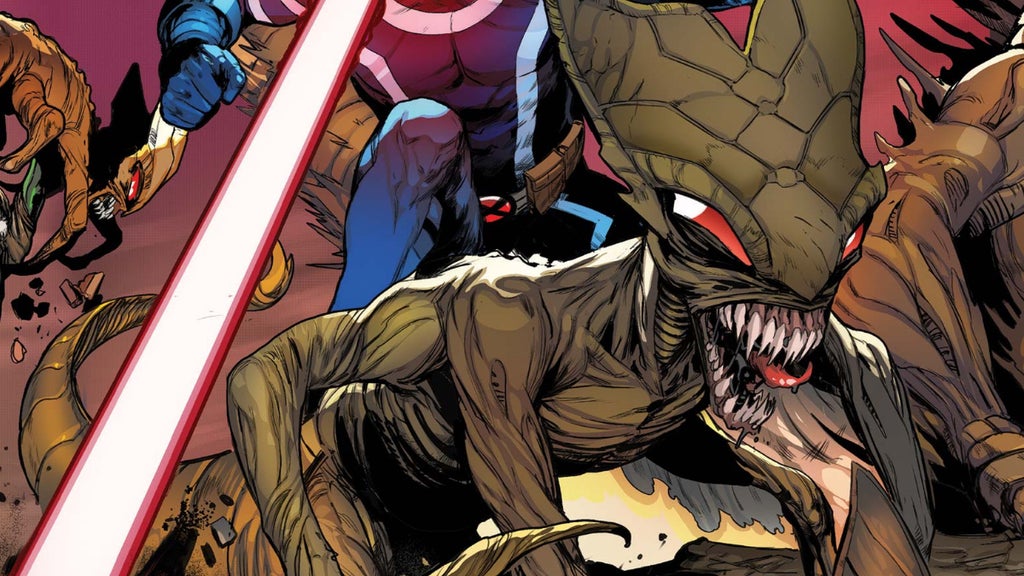
Brood
The Brood have a vast history in the Marvel Comics universe, introduced by Chris Claremont and Dave Cockrum in 1982’s “The Uncanny X-Men #155.” This mysterious race of parasitic, insectoid aliens is known for taking over hosts and reproducing in a Xenomorph-like fashion. One mutant of the Brood race, named Broo, is born with the ability for compassion in the comics, returning to Earth with the X-Men to train among them.
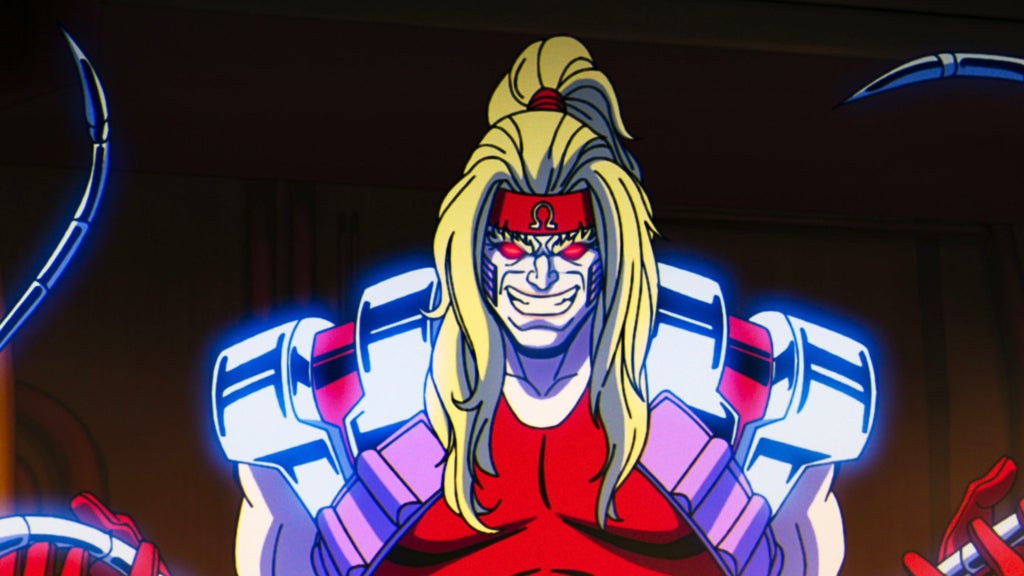
Omega Red
Omega Red is a significant villain in the “X-Men” canon, a terrifying and dementedly evil killer with, among other powers, carbonadium coils he can shoot from his wrists. He also has the ability to emit “death spores,” pheromones that can weaken or kill people in his range. John Byrne and Jim Lee created this character, voiced by Darin De Paul, for 1992’s “X-Men #4.”
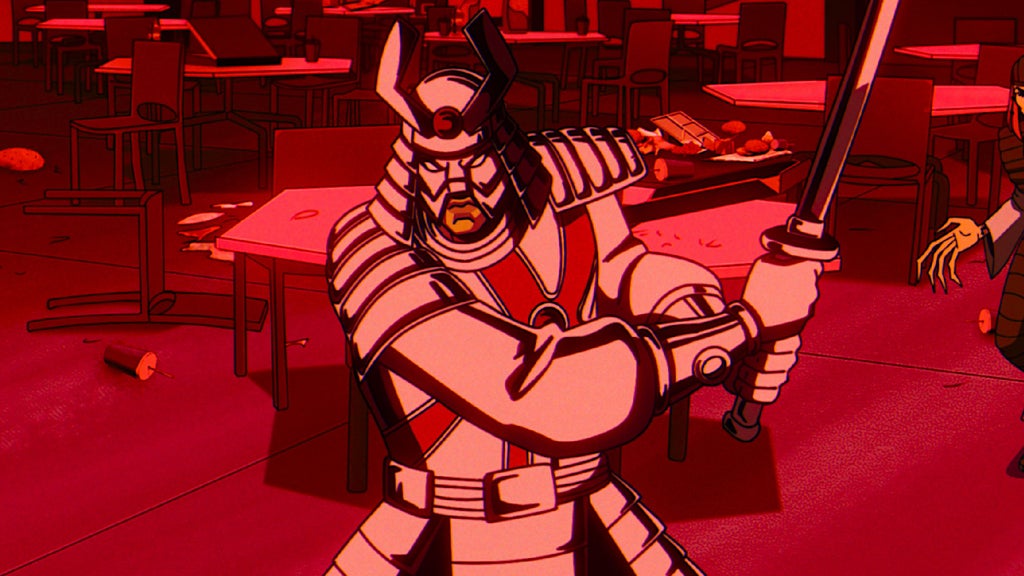
More Morphs
The Morph-heavy fifth episode of “X-Men ’97” Season 2 sees the introduction of a few more mutants through the character’s shape-shifting ability. Characters like Deadpool and the Silver Samurai briefly appear throughout the episode. Morph also turns into a few other notable characters who, though mutated or altered, aren’t mutants themselves: Spider-Man, The Thing, Sasquatch and Puck.
