
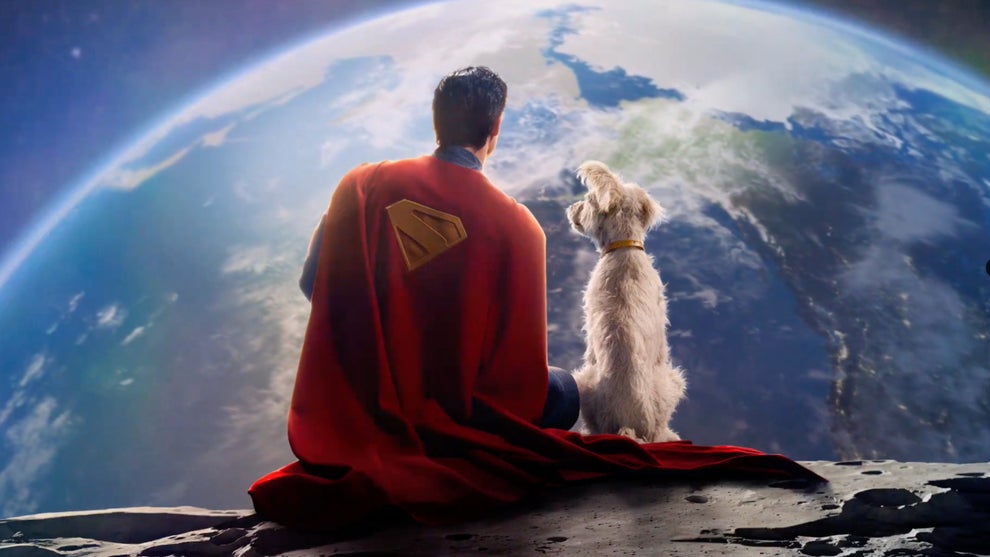
After a long day of traveling and writing, I settled down on Sunday night as I often do: With my dog Kal-El in my lap and a comic in my hand. That night, I picked up the first volume of John Ostrander’s “Suicide Squad,” one of my all-time favorite comic runs, which I had finished collecting in full not even a week before.
This book, which ran for 66 issues from 1987 to 1992 (plus some spinoffs and specials here and there), carries some significance in the DC cinematic canon. In this era, Ostrander introduced the modern incarnation of DC’s ragtag team of supervillains going on covert missions for the U.S. government in exchange for time served. This general concept would be adapted in David Ayer’s 2016 film “Suicide Squad,” while Ostrander’s run provided a more explicit narrative and tonal basis for James Gunn’s 2021 reboot, “The Suicide Squad.” That film perfectly captured what I love about Ostrander’s run and comics as a whole — so much so that I watched the movie seven times in its first month of release (to be fair, it went day-and-date on HBO Max).

Suffice it to say, I was thrilled when I heard that Gunn was taking over creative control of DC’s cinematic arm, which had floundered for years in the inconsistent and frequently meddled-with DCEU. I was even more excited when the DCU’s first film, Gunn’s hope-fueled adaptation of my dog’s namesake, was precisely what I wanted a Superman movie to be.
What I didn’t know as I sat reading that first Ostrander issue on Sunday night, however, was that the DCU I loved was already dead. Hours after I put that book down, news broke that Gunn and his DC Studios sidekick Peter Safran had been ousted from their executive positions under David Ellison’s Skydance. Not even two years after “Superman” flew into theaters, the DCU as we knew it was dead. And that’s a damn shame.

Infinite crisis
It’s unclear what the future of the DCU will be from here. Despite being complimentary of Gunn and Safran, an insider told TheWrap that Ellison had been talking to new DC Studios head Jeremy Latcham more than a month before the shakeup (and before the closing of the Paramount-Warner Bros. merger). Gunn and Safran were only given a few days’ notice.
This week has seen a mess of reporting from various outlets about the hows and whys of this decision. Some have claimed that, despite being one of the top five HBO series launches in the platform’s history with an average 19.3 million global viewers, “Lanterns” was actually a secret disappointment, while “Superman” failed to capture audiences (despite domestically outgrossing all but three films in the history of Paramount Pictures).
Gunn’s reticence to introduce core DC characters right off the bat has also been cited as cause for alarm — even though Superman was introduced in Year 1, Wonder Woman is reportedly coming in Year 3 and audiences already had a cinematic Batman kicking around. I guess Skydance leadership wouldn’t have liked the MCU’s strategy of introducing Thor and Captain America in Year 4 either (never mind Spider-Man in Year 9 and Wolverine in Year 17). Look at all the good that did Marvel.
It’s frankly hard to take these reasons at face value, and easier to admit that we may never know exactly why Gunn and Safran were shown the door.
Look up
The DCU couldn’t have had a stronger start.
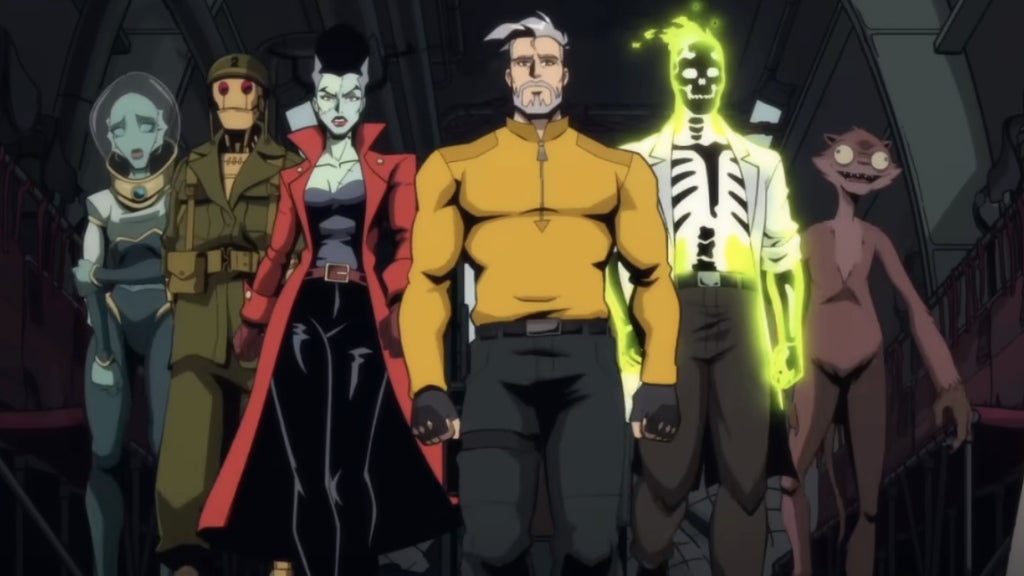
Well, that’s not entirely true. Technically, the first project in the universe was “Creature Commandos,” an animated series created by Gunn and showrun by Dean Lorey for HBO Max. That project was the most derivative of Gunn’s comic adaptation work, with the formula for lovable scoundrels he’d followed in “Guardians of the Galaxy” and “The Suicide Squad” finally showing some rust.
But the show wasn’t without its inspiration. The episodic format of “Creature Commandos” allowed Gunn to dive deep into some of the more monstrous characters from the DC universe, giving bit players like Weasel, G.I. Robot and Nina Mazursky their time to shine in 30-minute chunks (with those three episodes in particular standing out as the highlights of the series). No character was deemed too small if the narrative was compelling enough.
The true opening statement of the DCU was Gunn’s “Superman,” a film that returned the character to his roots and proved that his hope and optimism need not be boring in the modern day.
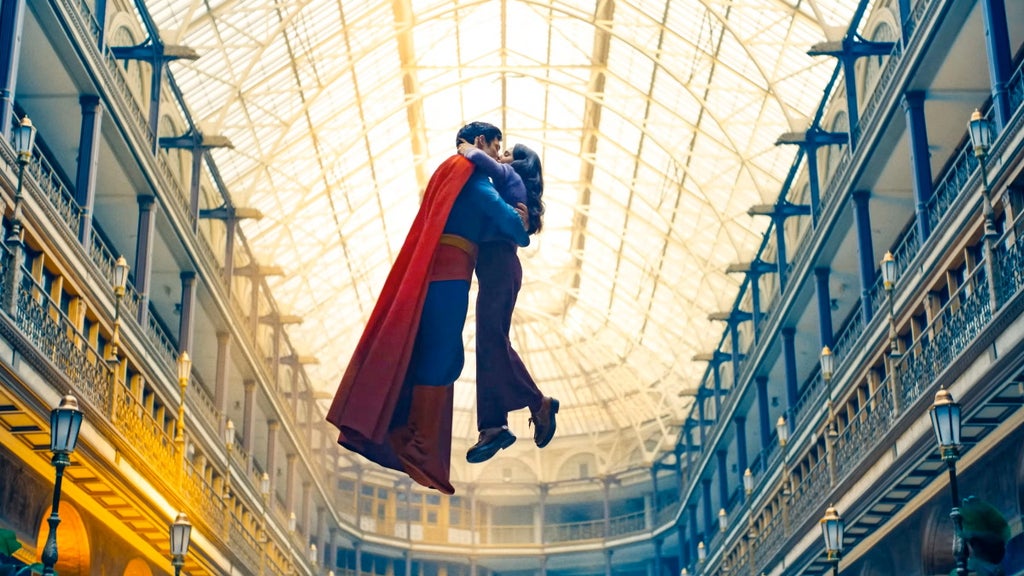
And it worked. As a lifelong Superman fan, I cannot describe the joy that I felt watching that film in theaters for the first time (or, to be honest, the second and third). David Corenswet, Rachel Brosnahan and Nicholas Hoult perfectly embodied some of my favorite characters from comics, grounding a massive story in some of DC’s finest dynamics. The film wholly understood Superman’s kindness and goodness without shying away from the complexity of having a character like that in the modern world. It’s a triumph.

Suddenly, Superman felt like a household name again, a character who no longer needed to be amended or apologized for. One of DC’s biggest heroes now anchored a burgeoning universe, delivering a foundation every bit as solid as “Iron Man” was for the MCU. It was a film that gained audience interest and goodwill — things that could’ve expanded with time if Corenswet was given a Downey-like run. He could’ve been (and hopefully still can be) a generational superhero.
Elseworlds
These first two projects exemplify the arc of Gunn’s DCU, a franchise that would ping pong between the flagship heroes (Superman, Supergirl, Green Lantern) and the lesser-known characters (The Bride, Peacemaker, Clayface). It’s an approach that celebrates the best of DC Comics. If someone has a good idea for a solo movie about a Batman villain, why not let them make it on a budget?
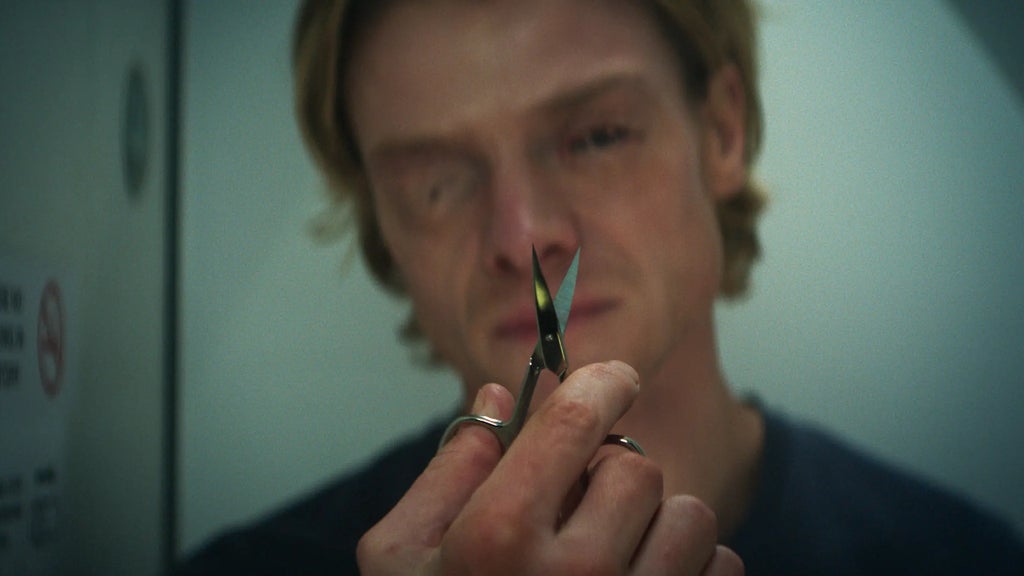
“Clayface’s” commitment to R-rated horror quickly set the DCU apart from the MCU, showing a greater willingness to play with tone and keep things fresh. A diversity of genre and perspective has long kept DC Comics afloat in a similar way. Superman, Batman and Wonder Woman have always been around, but it’s hard to imagine the current superhero landscape existing without stories like Alan Moore’s “Swamp Thing,” or even a cult classic like Gail Simone’s “Secret Six.”
Those aren’t your grandma’s comics, but they’re some of the best the publisher ever released, and they’ve proven hugely influential to modern superhero media. It’s a shame to imagine a world in which James Mangold’s take on “Swamp Thing” may not come to pass.
But things need not be so R-rated when DC wants to experiment. One of the most exciting projects greenlit under Gunn and Safran was “The People v. Gorilla Grodd,” a Jimmy Olsen spinoff that was widely derided on the internet until hilarious footage hit the internet of a talking gorilla filming and singing a cappella on Georgia Tech’s campus. Hiring the talent behind “American Vandal” to create a mockumentary in the vein of Matt Fraction and Steve Lieber’s “Superman’s Pal Jimmy Olsen” (arguably the funniest comic in DC’s library) may not be the most mainstream idea in the world, but it’s a slam dunk of a pitch.

“Dynamic Duo,” meanwhile, sounds like it has the potential to be DC’s equivalent to “Spider-Verse,” a film with innovative animation that iterates on classic DC characters without a slavish devotion to canon. Would something so bold be allowed under the new regime?
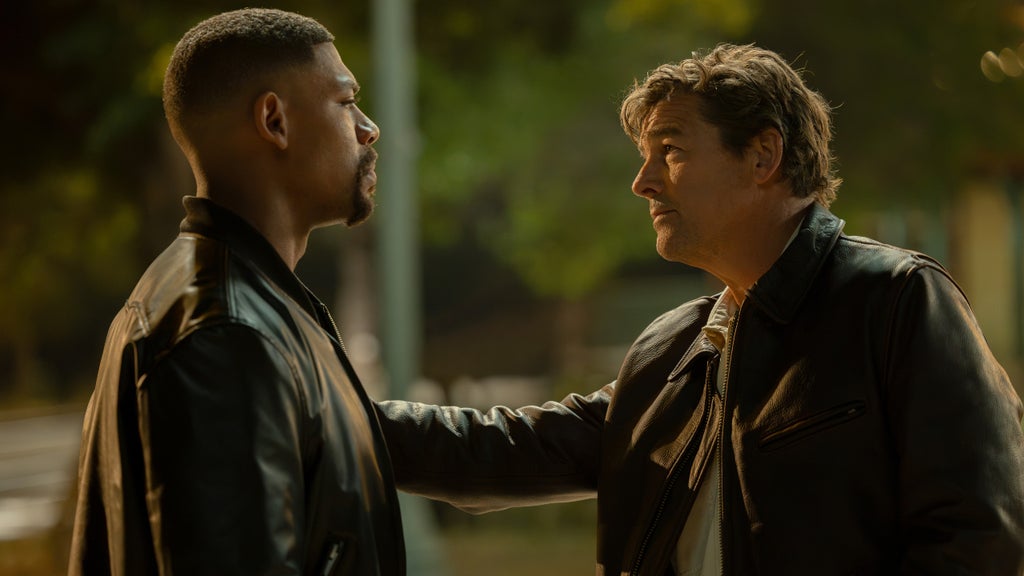
When the DCU did go for the heavy hitters, they more often than not made magic. Just look at “Lanterns,” one of the most interesting and invigorating pieces of superhero storytelling seen on the screen this decade. Kyle Chandler and Aaron Pierre delivered interpretations of Hal Jordan and John Stewart for the ages in an intriguing, interrogative superhero story that stands among the best DC adaptations of all time. When looking at the reviews, the social chatter and the viewership numbers, I simply can’t imagine thinking this swing didn’t pay off.
Projects like “Lanterns” and “Superman” were steeped in political allegory, paying homage to DC Comics’ history of addressing modern conversations head-on. That was certainly the case with Superman’s first appearance in “Action Comics #1,” when the iconic hero was referred to not as the Man of Steel, but as the Champion of the Oppressed. The introduction of Ostrander’s aforementioned Suicide Squad directly rebuked Ronald Reagan’s presidential policies (while he was still in office), while even “Absolute Batman” (currently the most popular comic flying off the shelves) recently showcased the Dark Knight brutally fighting a cabal of white supremacists.
Not every superhero story needs to involve modern politics, and not every DCU project did, but Gunn and Safran understood that the superhero genre has always been inextricable from such commentary. In today’s media landscape, maybe that’s the real punk rock.
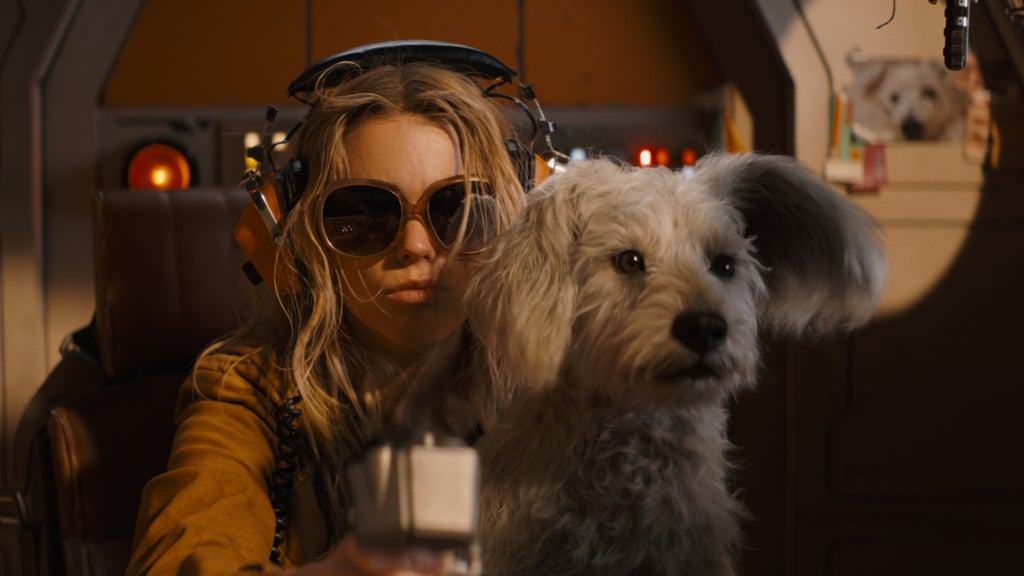
It’s not surprising that the DCU project that was undeniably the franchise’s low point was the one that seemed least willing to forge its own path: “Supergirl.” That film replaced the verbose prose and dazzling colors of Tom King and Bilquis Evely’s “Woman of Tomorrow” comic with flat visuals and a shaky, at times incoherent script. Despite the film’s insistence that Supergirl (played admirably by Milly Alcock) struggles to fit in on Earth, her demeanor and pop culture references are cut from the same cloth as Tony Stark and Star-Lord.
While the other DCU projects largely all felt like complete units with unique perspectives and thematic ideas, “Supergirl” was clunkier, more jumbled, resembling the kind of slapdash comic book movies that have caused accusations of “superhero fatigue” in the 2020s. The film missed the heart and individuality of the comic it adapted, and paid the price in the end.
With more superhero content than most people can handle flooding the market, the safe, middle-of-the-road adaptations aren’t going to cut it anymore.

Year One, Take Five
What Gunn and Safran realized was that chasing the MCU was a losing game. No franchise has ever been able to replicate the historic creative and financial heights of the Infinity Saga. DC tried to speedrun that once already and failed. Even Kevin Feige had some stumbles in trying to recreate his own success with the Multiverse Saga. Honestly, if you look at the quality of those early MCU films after “Iron Man,” it seems hard to believe that even that franchise would have survived until “The Avengers” in the modern day.
Rather than having every project build to some grand confrontation with Darkseid or the Anti-Monitor, the DCU seemed focused on one goal: telling a collection of unique stories in a shared universe that never felt controlled by a house style or canon. It was an imperfect cinematic universe, but one that felt more like the comics than any before.
With so much left up in the air, it’s not all doom and gloom. Will Gunn continue making projects at the new DCU? Will actors like Corenswet and Pierre stick around to avoid a full reset? Will Latcham be open to diverse projects that don’t simply involve uniting the seven? Only time will tell. The DCU had the makings of something truly great, and I can only hope that the best elements can survive the transition.
With Gunn and Safran, it felt like these stories were finally under people who understood the mission, who were capable of telling compelling solo stories and building a fun interconnected universe without one getting in the way of the other. To see the plug pulled on them after they’d barely begun is a cruel fate. Maybe I’m just Charlie Brown, and this is my football.
It’s going to be hard to muster up the energy for another kick.
