
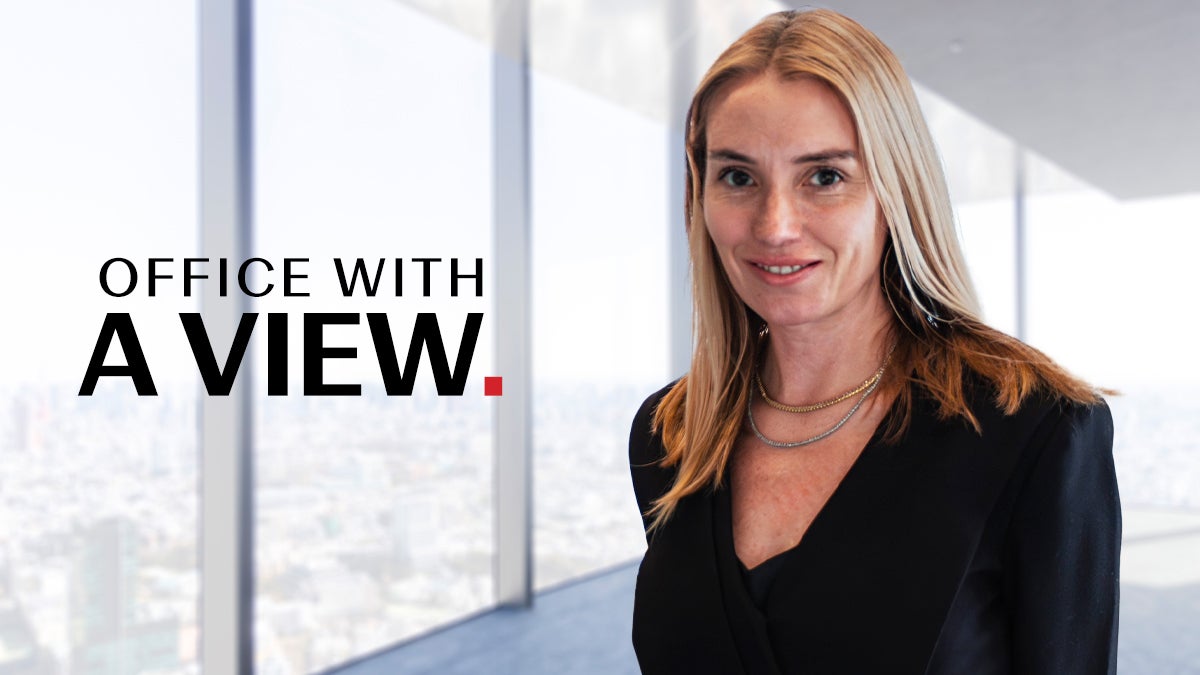
As senior partner and co-head of scripted television at WME, Junkin spends her days making deals to get TV shows made across an impressive roster of heavy hitters, including “Shrinking” co-creator and “Ted Lasso” star Brett Goldstein — who just landed a series order for comedy series “Escorted” at Prime Video — “Cry Wolf” star Brie Larson, “Severance” director Ben Stiller, among many others.
The job may feel especially challenging now to some, as the TV marketplace’s top platforms cut back on content spending or face consolidation. But having built her career across 24 years of industry change — from the rise of reality TV to the decline of cable, COVID and now AI — Junkin is certain the right idea can find its way to that coveted green light, no matter the obstacles.
“I’ve never been as busy as I am now, so I think that’s a really positive sign,” Junkin told TheWrap for a new installment of Office With a View. “If you’re a great writer and you have a great, unique idea and you can write something on spec, or you can write something for one of these studios and it can be packaged really well, there’s still a lot of value to that.”
Junkin joined Endeavor as an intern in 2003 and rose through the ranks as the company merged with William Morris Agency to become WME in 2009. Throughout her career, she has originated, packaged and sold premium scripted television across all major platforms, with a track record of straight-to-series order and talent-driven projects with clients like Quinn Shephard (“Under the Bridge” at Hulu), Julianne Moore and more.

The agency’s commitment to prestige television shines through with a strong showing in TheWrap’s 2026 showrunners list, which features 14 WME clients including Noah Hawley, Quinta Brunson, Lee Sung Jin and Rachel Sennott.
“There’s so much content out there across so many different platforms and we have so many great creators and directors and talent within a lot of these projects, so anytime that you can have a destination for recognition, it’s really meaningful,” she said.
Outside of WME, Junkin serves as head of the entertainment advisory committee at Memorial Sloan Kettering Cancer Center, where she spearheads the Comedy vs. Cancer benefit show, which also recognized her as its 2026 honoree.
Read our full conversation with Junkin below.

TheWrap: It’s great to chat on the heels of TheWrap unveiling this year’s Showrunners List, which features quite a few WME clients. What does it mean to you to see projects and clients from your agency recognized?
There’s so much content out there across so many different platforms — which is a great thing — and we have so many great creators and directors and talent within a lot of these projects. So anytime that you can have a destination for recognition, it’s really meaningful.
It’s a privilege to celebrate TV excellence, but especially now when the TV market is in a moment of big change and contraction. What are some of the key lessons you’ve learned as you’ve worked through all the changes of the past four years?
The truth is that the change goes back way further than four years, even in the 20+ years that I’ve been an agent there’s been constant change.
There’s been a number of moments where people look at the marketplace and somebody worries about what that means. I don’t operate that way. I like to just do what I can and roll through it — whether it’s been strikes or COVID or consolidation between streamers. The good news is that, from where we sit, we’re still constantly selling. I’ve never been as busy as I am now, so I think that’s a really positive sign. We’re always ready to keep selling content, representing the top-level people in every category that we do, and taking advantage of all the opportunities that are out there.

Before the peak TV bubble burst in 2022, overall deals were all the rage. Now first-look deals seem to have turned more prevalent as buyers are more meticulous in their spending. What has been your experience as you work on getting the right partnership for a writer these days?
When you look for a deal, it’s a combination of both the deal and productivity. Yes, you want to be financially sound, everybody needs to make a living in their career. But really, looking for a deal should first be motivated about trying to get content made.
People talk a lot about overall deals, and maybe a potential shift in the number of deals. But what I look at is the value of the deal and making sure that the deals are productive. I don’t think anybody wants to sit in a multiyear, multi-million dollar deal and come up with nothing. Everybody’s in this business because they want to make things. So I really look at the variability out there as an opportunity.
The biggest struggle is ensuring that when someone does have a hit show that they are compensated correctly for it, and that the work that goes into doing something that may take a year or two years, is not diluted. That you’re really maximizing the value of how long these shows can take and how much work goes into them. But I think that what we have found is sometimes, when you’ve been in a deal for a couple of years, the variability of going out there and finding the best project for yourself and something that you feel that can be made is a good thing. It’s a good thing to always seek to pivot and find the best opportunity out there, rather than to just always chase the deal.
What sort of projects are buyers responding to the most now?
What you’ve seen happen is there’s big IP, big projects that are being made on a series of platforms, things that show value within that ecosystem. And then there’s an ecosystem outside [of that], and you’ve seen a lot of sales in these independent studios that have become quite competitive with one another.
That’s happened for a variety of reasons. One is, there’s a bit of a shift to try and draw down deals at certain, more traditional studios — sometimes because they’re tasked with their own cost cutting — so that sort of trickles down to how deals are treated for talent. But that has given more opportunity to independent studios that maybe have the ability to be more flexible in their dealmaking. And both are needed and good. We need the ecosystem to have all of it.

If you have a great voice, if you’re a great writer and you have a great unique idea and you can write something on spec, or you can write something for one of these studios and it can be packaged really well, there’s still a lot of value to that. Or maybe something based on a short story or piece of IP that can be really well executed by a high-level writer, and potentially packaged with a really great director or talent. And that’s good for us, because those projects tend to move quicker through the platforms. If they get a series order, you’re not as much at the will of whatever platforms’ timing on development is and when they have to make decisions.
I think that’s better for our ecosystem, the quicker that decisions can be made, and that series can be greenlit and writers’ rooms can get going. There’s a lot of talk about how long these shows take. But that’s usually dependent on a lot of variables. How long notes processes are, how long platforms take to make a decision in the time between airing and making a pickup decision. So having some of these projects that are able to move straight-to-series is a value added. You need a lot of that.
You also need to set the show up in a proper way where you have skilled people that know what they’re doing and can keep the trains on the tracks. But you’re seeing a lot of these things sell off of a really great script or a really strong package.

It seems that we’re heading in the direction where buyers really want a project that has a direct line to production, and maybe not something that’s going to be in development for a really long time. You specialize in those types of fleshed out packages, is that the preference you’re seeing in the market right now?
I think there’s always going to be both. There’s going to be healthy development that’s selling into platforms and that’s managed within those platforms. And then there are going to be things that come in and surprise you, and a surprise is good.
When you talk a little bit about where we are from four years ago, this is what I mean about just kind of rolling with it and moving through the opportunities we have. In the television business, there was this fear that a whole lot less was going to be made — the constructs of which were going to change the pipelines for content. And I think what you’ve seen is, within the last couple years, the opposite is starting to happen. And it obviously is dependent on what platform you’re looking at.
Each buyer has their own set of circumstances and sometimes limitations. Netflix benefits from the fact that they’re able to move more nimbly and order much more than some of their competitors, which allows them to order more of these scripts, sometimes straight to series, than others. But you are seeing it happen everywhere, and it just takes those really special scripts to come in the door in order to do it. But I don’t think that’s going to do away with traditional pipelines of development. Nor do I think it should, because a lot of it is so dependent on the execution, the timing, the need, what just aired and what you’re looking for next. So you need to have both in order to have a viable set of choices.
I really love hearing ideas from clients of all types — whether it be talent, directors or writers — and really assessing the right idea to focus on and then the right way to put it together and setting the time to do that before shopping it. It’s one of the great aspects of being an agent. Yes, it’s a very strategic role in the business, but it also can be really fun and creative in that way.

Back in 2021, you touted Apple and HBO as buyer-friendly platforms. Are those two still at the top of your list?
It’s funny. I don’t know if I was referencing them as standouts or it was just, you know, [who I] mentioned at the time. But also Netflix, and I think Amazon and Paramount are in an exciting new era … I think that there’s a lot of opportunity everywhere, frankly. It’s just dependent on the client, the project that you have and how you want to navigate it.
But a lot of these places are driving competitive sales again, and a competitive sales market is really good for everybody.
Which platform are writers and talent wanting to work with the most?
It’s an interesting question, because I never position a question that way directly to a client. I think it’s so dependent on what your show is and what your past experiences have been. Everybody has good and bad, right? So if you’ve been in the same ecosystem, maybe you want to try something new, or a different set of buyers or whoever it may be.
I also have to think about the type of show and the audience that you’re trying to connect to, and how global that is and what the opportunities are. But the truth is, we have business everywhere. And that may sound like a cop-out answer. I don’t mean it to be, but I truly think that the best thing for the ecosystem is for all of these platforms to really thrive.
At the end of the day, for most of the talent and writers and directors, it’s really about, “Do they see the same show I see, and are we aligned in what the show will ultimately become when it gets to air.”

Brett Goldstein, one of your clients, just landed a series order for a comedy series, “Escorted,” at Prime Video, when other platforms are cooling off on comedies. How does a project like that come together?
Brett had this idea, and this script that was very personally exciting to him. Obviously, he’s coming off doing a lot of great work with Warner Bros. and at Apple [with “Shrinking”]. And we had a really great script that we believed in at Warner Bros and we took it to the town.
I have to say, Kara Smith at Amazon was absolutely fantastic. From the second that she read the script, she was really committed to trying to land it for Amazon, and was a real leader in moving through it internally in order to make the most compelling and competitive deal. And that’s really why it ended up there. He’s got great relationships and business everywhere. But they came in really strong and bullish.
It’s a real testament to how important it is that each platform has executives that are real advocates. If something comes in the door, I always look for people that get it, that want to walk into a conference room or into their boss’s office and advocate for something — even if it’s the thing that may not be the most obvious pitch. And that can be a really hard and challenging thing to do when you are given mandates, or there are certain programming challenges or whatever it is. This may not have been as obvious, because as you’re saying, comedy is not something that Amazon has done as much of. And then the big thing with these shows is making sure that, once they’re made, that they’re marketed and supported in the right way that gets viewership if there’s less of them on the platform.
It was an exciting sale and it’ll be a great show.
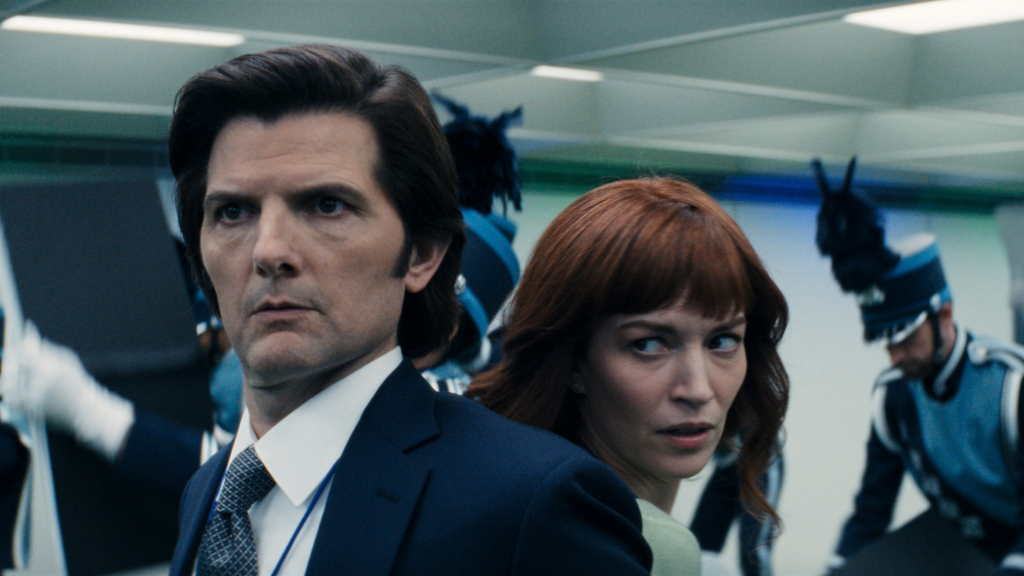
You represent Ben Stiller, who EPs and directs “Severance,” one of the creative marvels of the streaming era. Is there a path for an intricate and expensive show like that to land a green light today?
Yes, absolutely. I think the thing about that show is it’s so unique and so special. And when you have shows like that, you know you need to have visionaries that really understand how to create and make them. I think that when you get accolades like that show has gotten, and see the response that it’s gotten, you see the value in it.
We’re seeing Netflix and Apple and all these streamers trying to figure out a way to cut down on the time it takes for their shows to come back between seasons. How does that pressure come into your side and your client’s side when it comes to putting the show together and trying to bring it back sooner?
I think it’s so dependent on each platform. Sometimes it’s so dependent on what your air date may be on whatever platform it’s airing on. We have shows that have wrapped and may not be airing for over a year, so that can obviously delay things, and writers need to make a living, and if they’re not in an overall deal, they may make a movie or do another project.
The efficiency of being able to have a show that an audience can see within a calendar year or two is really important. Not everybody does it and there are reasons for that, but I do think there are circumstances in which the show is something the platform can make a bet on, or feels like it has a real viable chance of performing well, to get writers back into a room and to continue on prior to getting the data that is sometimes necessary for a greenlight can be useful. But again, it’s project-dependent and platform-dependent.
You’ve been at Endeavor since your intern years and through the 2009 merger that led to WME, rising through the ranks to your position today. How has having that career-long loyalty helped you succeed in this business?
That’s a good question. It’s because of the people. The truth is, I think you succeed because of those that you surround yourself with a lot of the time. Sure, it’s your own resilience and work ethic in the business, but it really is also about the people that you’re collaborating with, and I have such a deep trust and admiration, and just deep-rooted friendship and personal relationships with so many of my colleagues that make it such a fluid career here. There’s nobody at the agency that I can’t access, nobody that I can’t call.
I spend as much time on the phone with colleagues — collaborating, putting ideas together, managing projects, working in teams — as I do making external calls. I’ve been here 24 years and, back to your earlier question about the shifts in the business, we’ve seen shifts within the company, just as we have outside of the company. And I think when you have a deep respect and trust and enjoy going to work day to day with the people at your company, it makes whatever obstacle or transition just easier to deal with, and frankly, fun.
I’m here because I like showing up every day and working with the people at WME.
Like everything in Hollywood, agencies are cutting staff and opportunities for growth are becoming more scarce. What’s your advice for aspiring agents and young professionals just starting out their careers today?
I think getting in the door at an agency is really valuable. I think work ethic is really valuable. Networking is really valuable, along with reading and honing your tastes. A lot of it is the same advice that I would have gotten over 20 years ago, but obviously it’s more challenging now. There are less agencies, there are less companies to work at. So I really think it is about honing in on the contacts that you have and utilizing every opportunity when you get in the door at an agency. Make it your mission to sit in as many offices as possible and get to know as many people as possible. Because it goes back to that team, “All of us rise together” aspect of it.
In the early days of your career, if you make an effort to get to know more and more people, that pays off later in your career.
This interview has been edited for length and clarity.
