
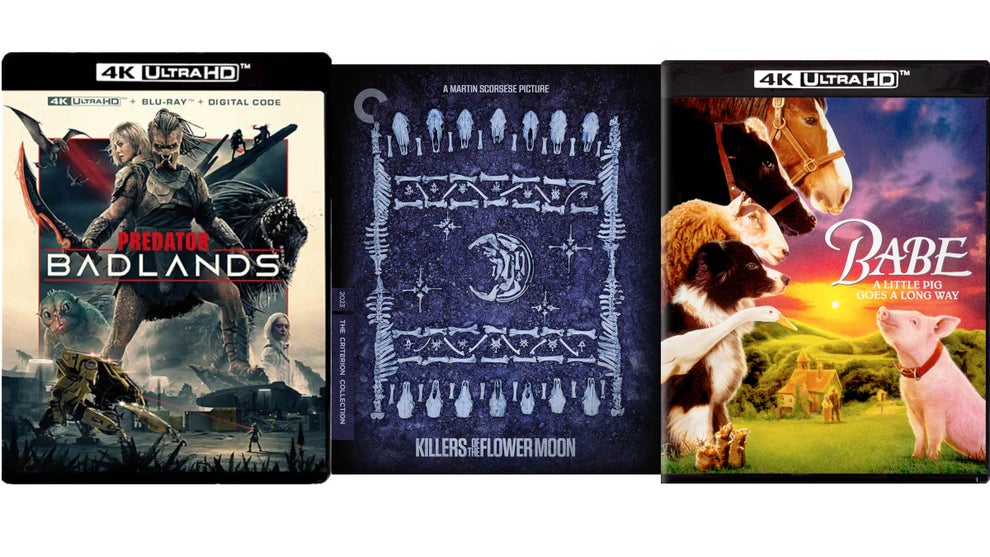
Physical media isn’t dead, but it is transforming.
Blu-ray and DVD were once the go-to format for movies after they had left their theatrical window. With that emphasis now placed on direct-to-consumer streaming platforms, physical media has emerged as the place for film freaks, format enthusiasts and those who want a little more reassurance in their film ownership. (Reddit threads and other online forums are populated with horror stories of digital copies being removed or vanishing from people’s personal libraries.)
The first half of 2026 has been filled with absolute Blu-ray bangers, across genres and time frames, with resurrected cult classics, more recent hits and movies you have probably never heard of and are now dying to watch. This is the very best of the very best. We will update it accordingly throughout the year.
As always we highlight and emphasize boutique Blu-rays from labels like Shout Factory, Kino Lorber, Criterion, Powerhouse and Arrow. We suggest that you buy directly from the labels themselves.

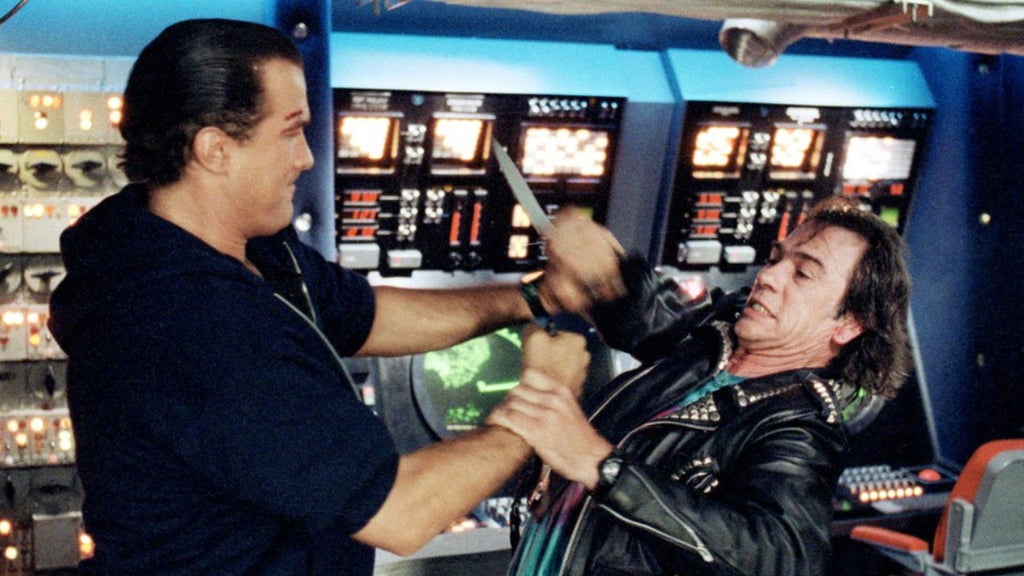
“Under Siege” (Arrow)
Andy Davis’ son-of-“Die Hard” action extravaganza finally gets the 4K upgrade it desperately deserves courtesy of the fine folks at Arrow. (Their licensing deal has paid off dividends for film fans over the past few years.) If for some reason you missed “Under Siege,” it stars Steven Seagall as a chef on a battleship that is put into the position of unlikely savior when the ship is overtaken by a group of thugs led by Tommy Lee Jones, in the role that made him a superstar. Is the movie as good as you probably remember? Not really.
The pacing is occasionally quite baggy and Seagal, who also produced the movie, barely registers as a screen presence. Still, Arrow has done a fine job restoring the movie to its formerly glory, as it looks and sounds dynamite and has a small suite of new bonus features, including interviews with Davis, star Erika Eleniak and Damian Chapa and a new piece dedicated to the movie’s special effects. A hoot for newcomers and longtime fans alike.
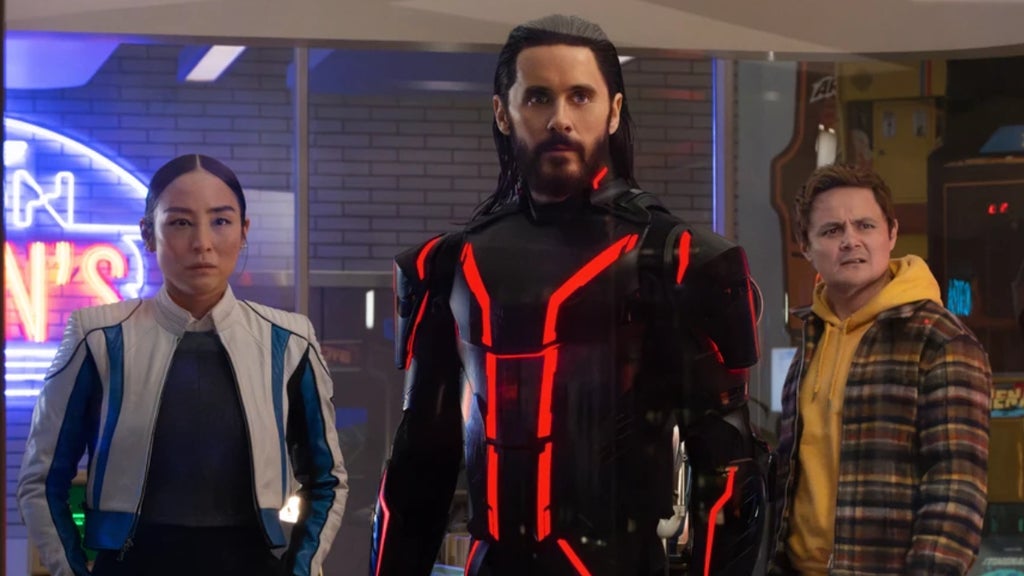
“Tron: Ares” (Disney)
Is “Tron: Ares” a very good movie? No. It lacks the spirituality and visual wonder of 2010’s “Tron: Legacy” and the how’d-they-do-that fun of the original 1982 “Tron.” The story is awkward and uninvolving and the visual effects have a been-there-seen-that offhandedness. Plus, Jared Leto gives a performance that could charitably be described as “leaden.” All that said, the new 4K disc might be a must own – quite frankly it’s one of the best looking and, more importantly, sounding discs that we’ve maybe ever popped in our player.
The movie’s score, composed by Trent Reznor and Atticus Ross under their rock band alias Nine Inch Nails, is stunning and it sounds genuinely incredible at home, no matter your set-up. Special features are light but the steelbook version of the release looks great alongside the steelbooks of the first two films that came out last year. Now if only we could get a physical media release of the animated series “Tron: Uprising.” Maybe one day.

Casting Microdramas: It's Gone Hollywood
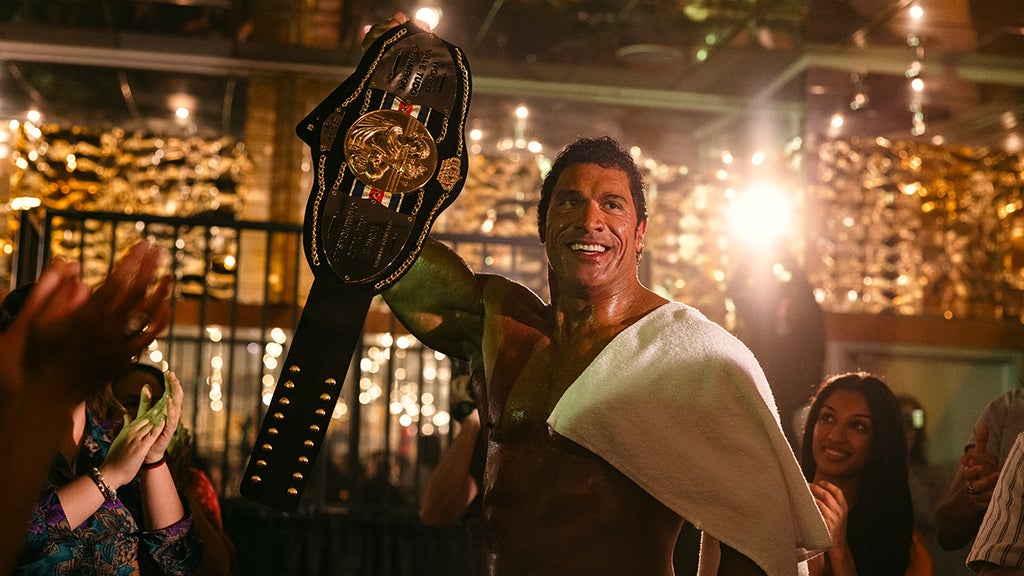
“The Smashing Machine” (A24)
In the battle of the Safdie-brothers-making-a-based-on-a-true-story-sports-movie, clearly “Marty Supreme” came out on top. It was the bigger critical hit and is A24’s highest grossing movie ever. Plus, everybody loves those jackets. But Benny Safdie’s “The Smashing Machine,” starring Dwayne Johnson as UFC fighter Mark Kerr and Emily Blunt as his put-upon wife, is still a fascinating movie and one that deserves more attention. It’s exceptionally low-key, with a jazzy musical score and subtle performances from Johnson and Blunt, but it’s something that you’ll probably enjoy, especially if you don’t know the real story of Kerr, a groundbreaking fighter that helped popularize MMA fighting.
The 4K disc from A24, which beautifully replicates the movie’s 16mm photography without making it feel too polished, is pretty great, with a making-of documentary, deleted scenes and a commentary by Safdie. And unlike some recent A24 4K releases, you can get this one everywhere, you don’t have to buy it from the official shop. Talk about a knockout.
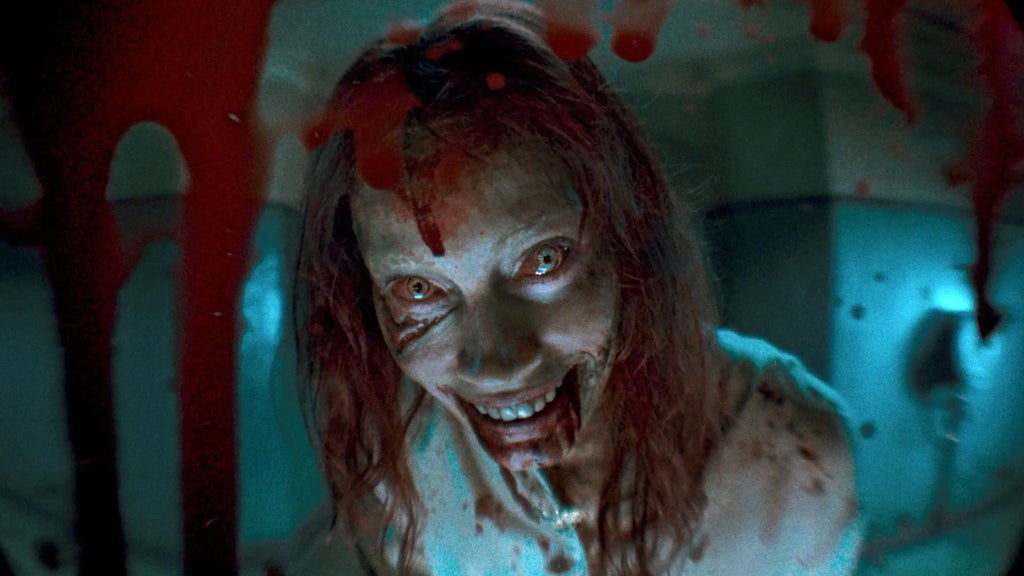
“Evil Dead Rise” (Arrow)
Yes, Warner Bros. already released a 4K of 2023’s surprisingly solid new entry in the “Evil Dead” franchise. But if you’re wondering if this one, which follows a family in an apartment building that unleashes undead spirits, is worth the upgrade – it totally is. While the audio and video are the same as the previous disc, where things really start to differ is in the special features.
This Arrow release includes a ton of new interviews with the cast, the make-up people, the editor, sound designer and composer, along with director Lee Cronin’s 2013 short film “Ghost Train,” all of the special features from the earlier release and a host of marketing materials. It really is an embarrassment of riches. Whether or not you picked up the original release or not, this version of “Evil Dead Rise” is great.
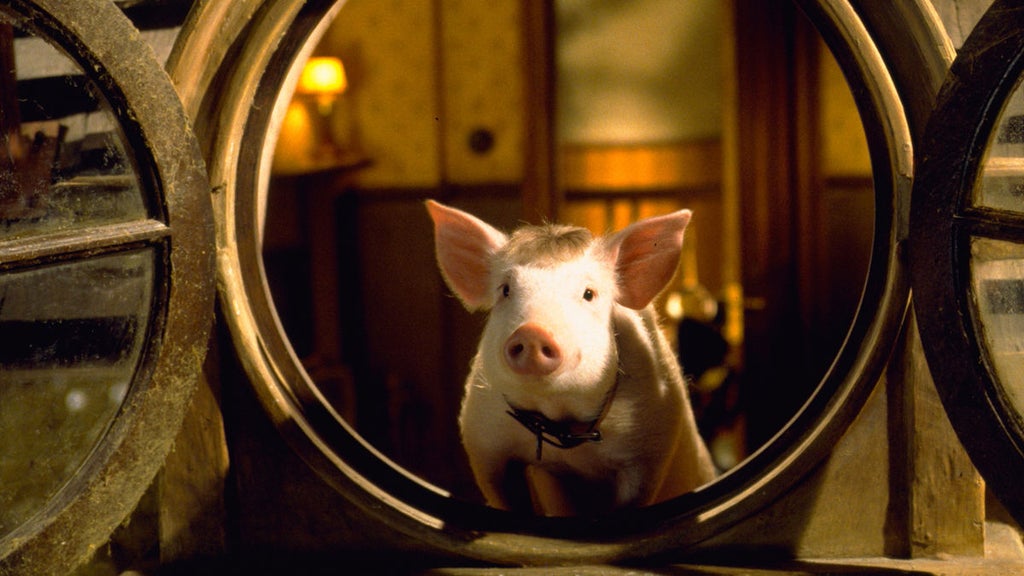
“Babe” / “Babe: Pig in the City” (Kino Lorber)
1995’s “Babe,” about a pig that thinks it’s a sheepdog, was a surprise smash (making more than $250 million worldwide) and an even-more-surprising Oscar juggernaut, with seven Academy Award nominations, including Best Picture, Best Director and Best Supporting Actor (James Cromwell). (It won for Visual Effects.) So a 4K release seems long overdue, and the fact that Universal isn’t putting it out themselves seems even more bizarre. Anyway, we’re just glad we have it at all, and thankfully it has a new commentary track (with critics Julie Kirgo and Peter Hankoff), in addition to a vintage track from co-writer/producer George Miller.
Even more exciting is that Kino Lorber put its underrated sequel, “Babe: Pig in the City,” which was neither the financial or critical success of the first film, out on 4K too. In the years since its release, “Babe: Pig in the City” has settled into its cult classic status, which is bolstered by this release, which features a new commentary from the aforementioned critics, a new interview with James Cromwell and a new piece with Miller. That’ll do pig, that’ll do.
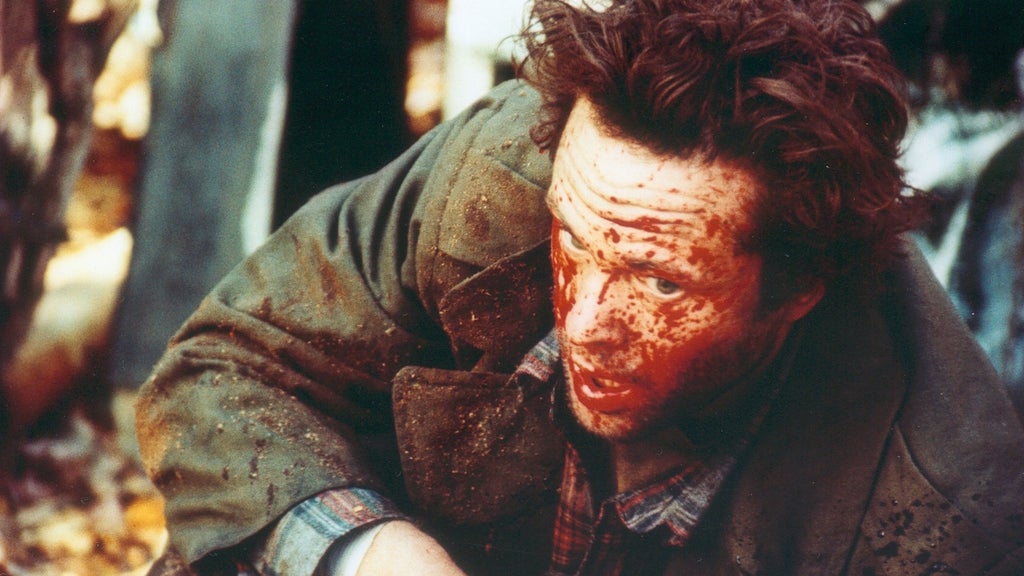
“Cabin Fever” (Lionsgate Limited)
Eli Roth’s first movie is back and better than ever. “Cabin Fever,” about a bunch of kids who run afoul of a flesh-eating bacteria, was released back in 2002 and quickly became a cult classic. (It made $30 million on a budget of just $1.5 million, so it was a really-for-real hit too.) Executive produced by an uncredited David Lynch, “Cabin Fever” quickly established Roth as a prankish filmmaker who would gladly go places others wouldn’t dare and set him up to become one of modern cinema’s most fearless directors.
And this new 4K edition from Lionsgate presents the movie brilliantly, with a new Dolby Vision presentation and Dolby Atmos audio, plus new special features dedicated to the legacy of the movie, along with a host of archival features, including a lively commentary track with Roth and the actors, an early Roth short film called “Rotten Fruit,” deleted scenes and making-of materials. This new “Cabin Fever” disc will definitely scratch that itch.

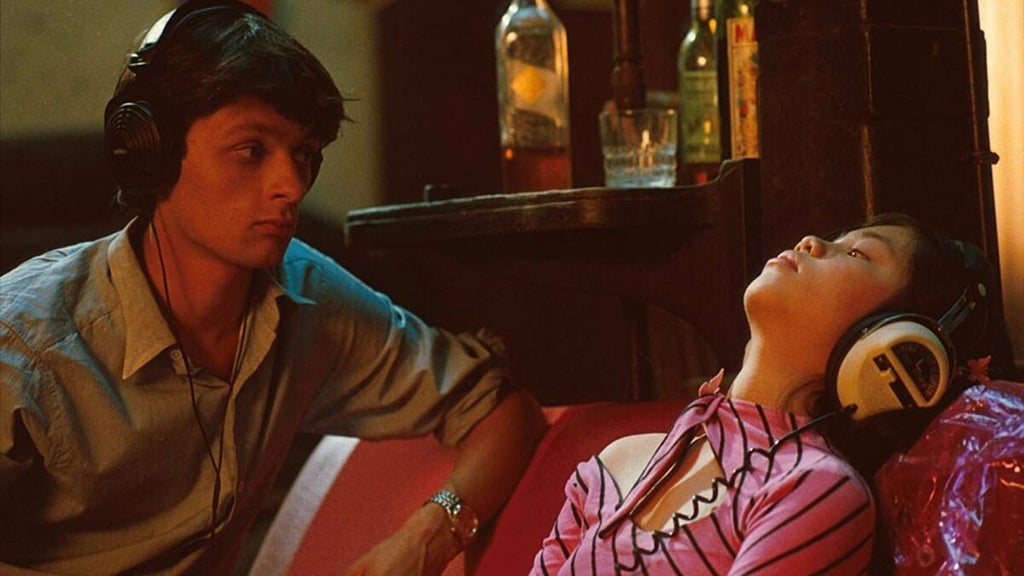
“Diva” (Kino Lorber)
One of the best movies of the 1980’s, Jean-Jacques Beineix’s masterpiece has been remastered with a beautiful new 4K presentation completed by StudioCanal and a host of archival special features. Would it have been nice to have some new material for the movie? Absolutely! But as it stands, this release of “Diva” is the definitive release. If you’ve never seen “Diva,” it’s time to correct that mistake – the movie, celebrated by Roger Ebert and Gene Siskel during their original series and a hallmark of France’s “cinema du look” movement, follows a young man obsessed with opera (Frédéric Andréi) who sneakily records a performance and gets into a world of trouble.
Featuring one of the more unforgettable chase sequences of the decade, nimble performances by everyone involved and beautiful cinematography by Philippe Rousselot, who would go on to collaborate with Tim Burton, John Boorman and Shane Black, “Diva” is an unforgettable experience.
This new release features archival bonus materials including two commentary tracks (including one with Beineix), interviews with cast and crew and an introduction by a literal Beineix scholar. Hell yes.
“Birth” (Criterion)
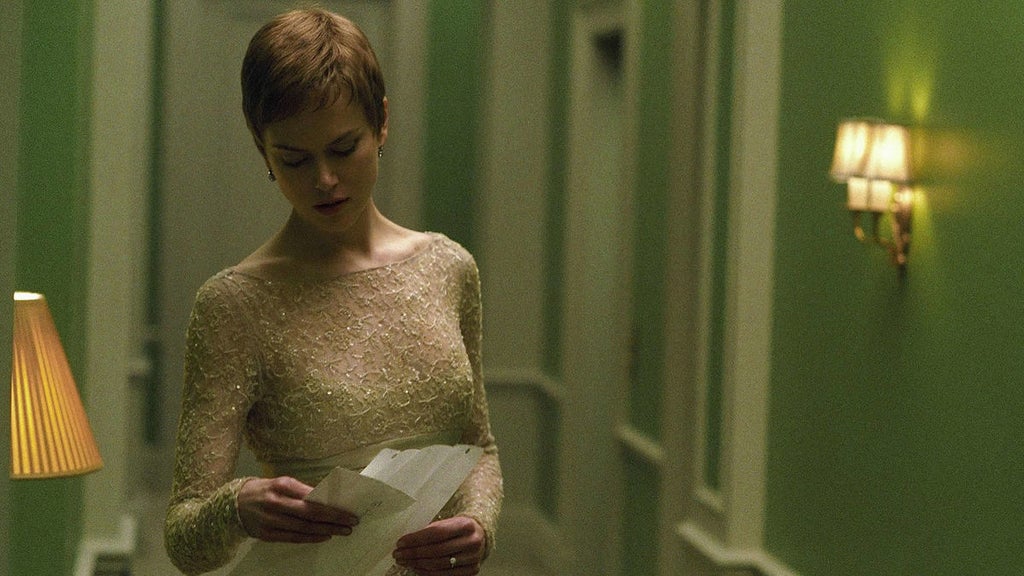
Criterion can serve many purposes. One of those purposes can rescue a film, previously derided, and place it (rightfully) into the context of the great films in history. This has happened a few times in the history of the label and the latest example is Jonathan Glazer’s sophomore feature “Birth.” When the movie was originally released, it was met with befuddlement and borderline outrage (the relationship between an adult woman, played by Nicole Kidman, and a young child who claims to be the reincarnated version of her husband, certainly raised eyebrows). It lost money. And wasn’t nominated for a single Academy Award.
But in the years since, its stature has grown significantly, culminating in this 4K release from Criterion that includes a new making-of documentary about the film’s production, archival interviews with key cast and crew members and a featurette about the movie’s stunning cinematography (by the late, great Harris Savides). “Birth” is ready for a rebirth.
“House Party” (Criterion)
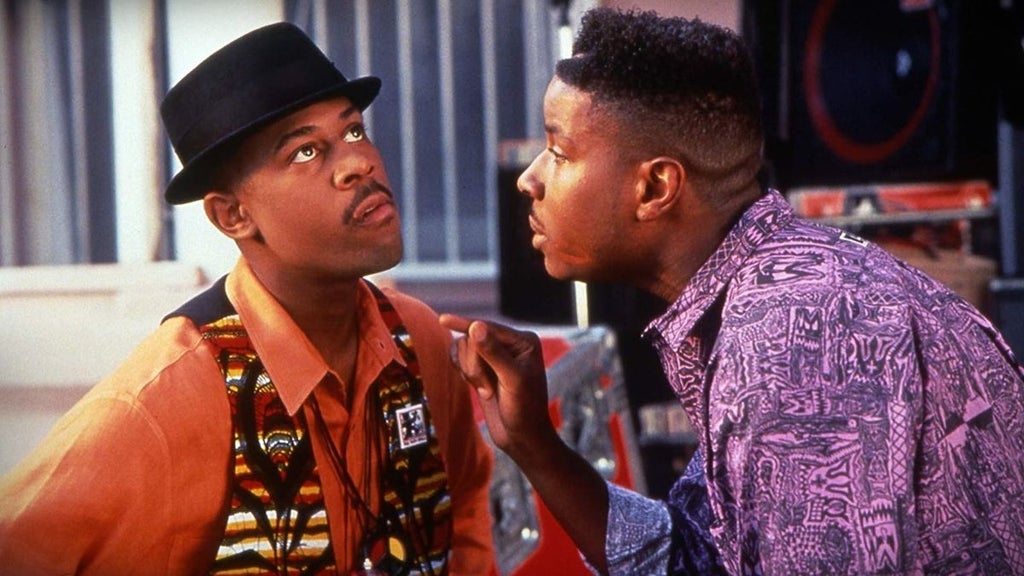
Yes, “House Party,” the raucous 1990 teen comedy, is part of the Criterion Collection. And the Criterion Collection is all the better for it. Written and directed by Reginald Hudlin and starring hip-hop duo Kid ’n Play, who throw a crazy party after their parents expressly forbid it. Criterion describes the film as “a beloved, feel-good snapshot of early-1990s hip-hop culture that brought Black teenage experience to the mainstream,” and we couldn’t agree more.
The disc is appropriately maxed out, with a new commentary from Hudlin, a new cast reunion, a new discussion of the film and the 1983 student short film that Hudlin made that led to the feature, plus marketing materials. Talk about a party.
“Predator: Badlands” (Disney)
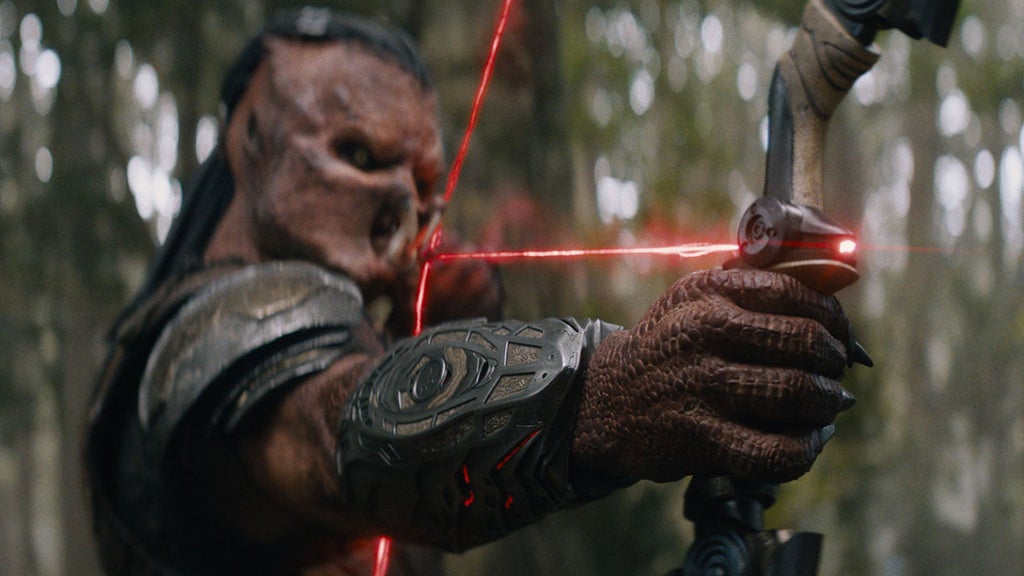
One of last year’s very best movies (seriously), “Predator: Badlands” takes a different approach to the tried-and-true “Predator” formula. Instead of following a group of human protagonists who are hunted by the intergalactic hunter, “Predator: Badlands” puts one of the titular aliens at the forefront. This time around, the predator Dek (Dimitrius Schuster-Koloamatangi) heads to an inhospitable planet to take down a seemingly unkillable monster and prove his worth. While on the planet, he teams up with a Weyland-Yutani android named Thia (Elle Fanning) and befriends a cuddly little creature called Bud. Directed by Dan Trachtenberg, who helmed the similarly wonderful “Prey,” “Predator: Badlands” is constantly surprising, incredibly smart and endlessly entertaining. What a blast.
This 4K disc has some of the best picture and sound you’re likely to see, with a commentary track, deleted scenes and some featurettes. It’s a great package for a great movie. There’s no telling where the “Predator” franchise can go next.

“All the President’s Men” (Warner Bros.)
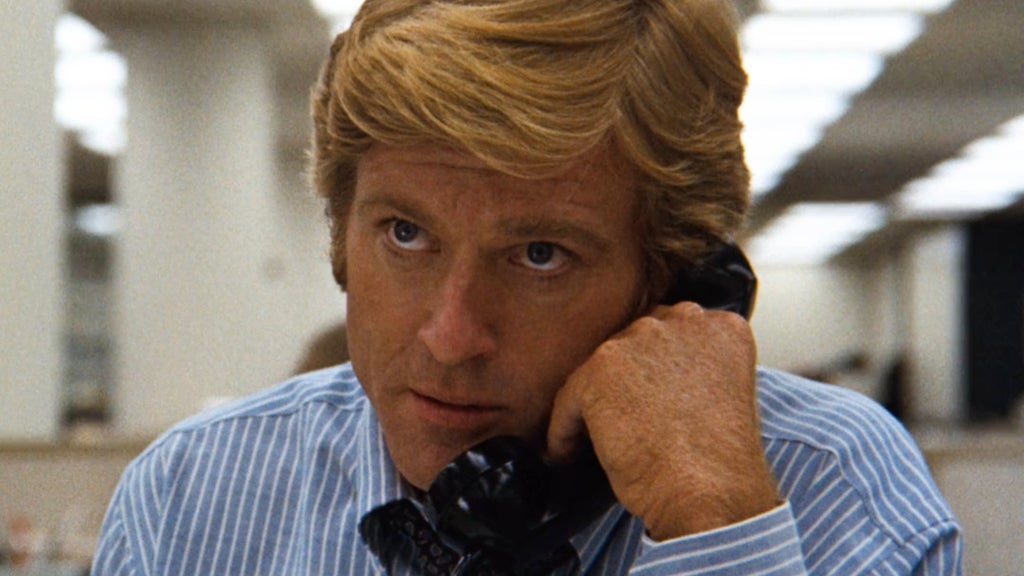
Given the brutal assault on journalism and truth in general, it feels like a good time for an anniversary edition of Alan J. Pakula’s Watergate-era masterpiece to be released. And this version of “All the President’s Men” does not disappoint. It looks and sounds better than it ever has before, with beautiful picture quality and a DTS-HD 2.0 Master Audio track, plus special features like a pair of new retrospective documentaries featuring actual news broadcasters talking about how much the movie meant to them.
And if you haven’t seen the movie, with Robert Redford and Dustin Hoffman delivering all-time great performances, it really is time to watch again – from Gordon Willis’ jaw-dropping cinematography to David Shire’s twinkly score, to the way that it inspired countless great movies in the years to follow (everything from Oliver Stone’s “JFK” to David Fincher’s “Zodiac”), it really is a monumental achievement and its importance has only grown in the decades since its release.
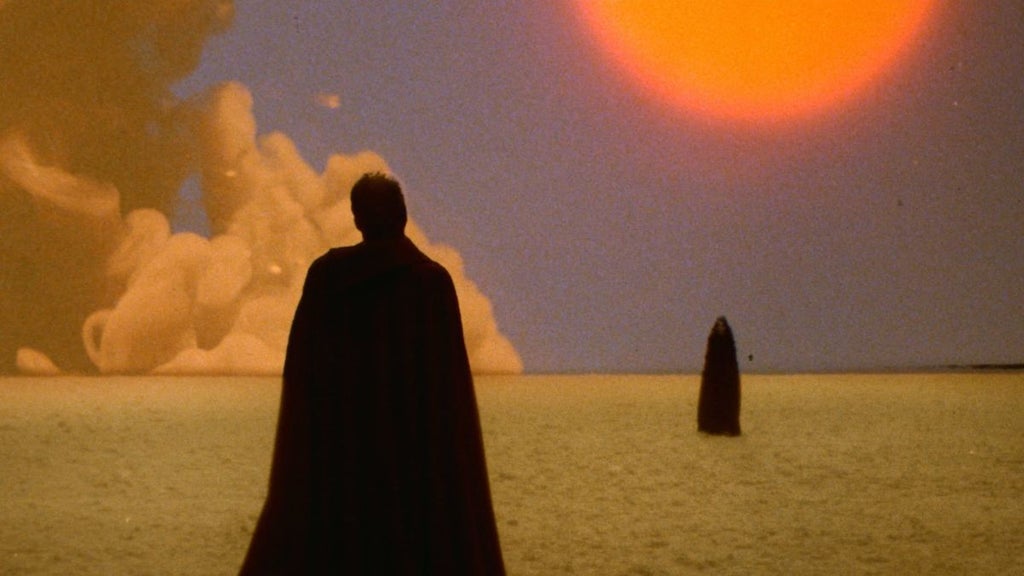
“The Visitor” (Arrow)
“The Visitor” is a singularly bizarre film – an American/Italian co-production that was shot on location in Atlanta and also at the storied Cinecittà and De Paolis Studios in Rome, with a plot that seems liberally borrowed from “Carrie,” “Close Encounters of the Third Kind” and countless Satanic movies like “The Omen” and “The Exorcist” (among many others). And while the movie was mostly ignored when it recieved its half-assed theatrical release, in the years since “The Visitor” has taken on near-mythic stature as a cult curio.
Part of this has to do with just how nuts it is (one publication dubbed it “the Mount Everest of insane ’70s Italian movies”), along with its frequent re-releases (including a long out-of-print Blu-ray release from the former Drafthouse Films label) and the ubiquitousness of its groovy score by Franco Micalizzi. But it has never received a release as comprehensive and killer as the Arrow 4K disc. There is a new commentary, new visual essays and archival materials, along with a truly astounding A/V presentation. This is the chosen one.
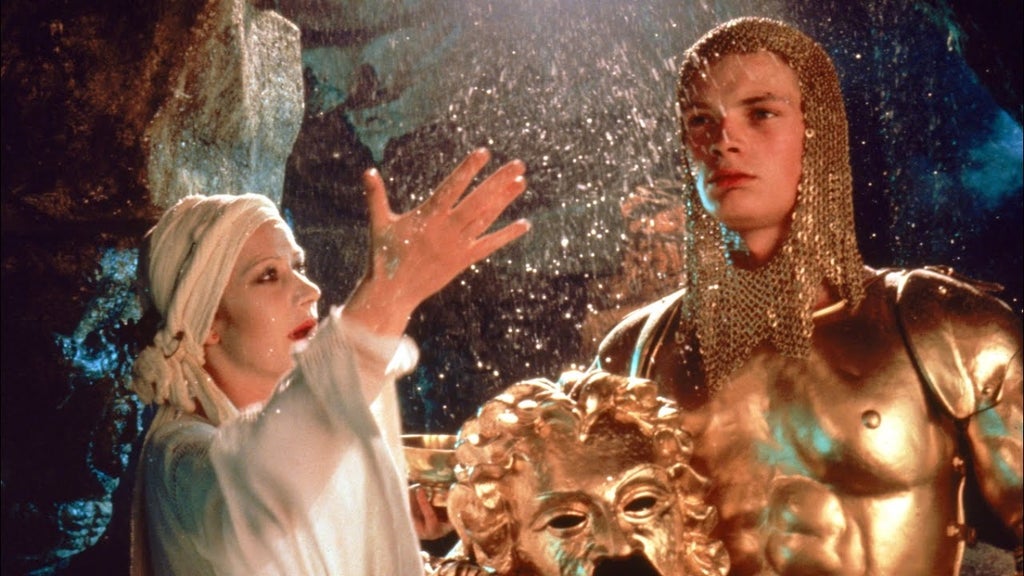
“Excalibur” (Arrow)
One of the year’s greatest releases, John Boorman’s “Excalibur” finally gets the deluxe home video edition it deserves. Firstly, this release marks the first time that the movie has been presented in its correct aspect ratio of 1.67:1, after years of being either slightly off or downright mutilated. And the new 4K transfer is stunning. That alone would make this version a must-own. But there is so much more – there are multiple commentary tracks, a never-before-released making-of documentary made by Neil Jordan (!), new interviews and visual essays, along with archival materials, an hour-long documentary from 2016 and a version of the movie that ran on television that has also never been released on home video before (in perfect, 1980’s-living-room-ready 4:3 aspect ratio).
“Excalibur” is a film that has proven hugely influential in the years since its release (it’s a cornerstone text for Zack Snyder, do with that information what you will) but it has been oddly underrepresented, particularly in the home video space. Leave it to Arrow to not only release a great version of “Excalibur” but to release the definitive version of a modern classic.

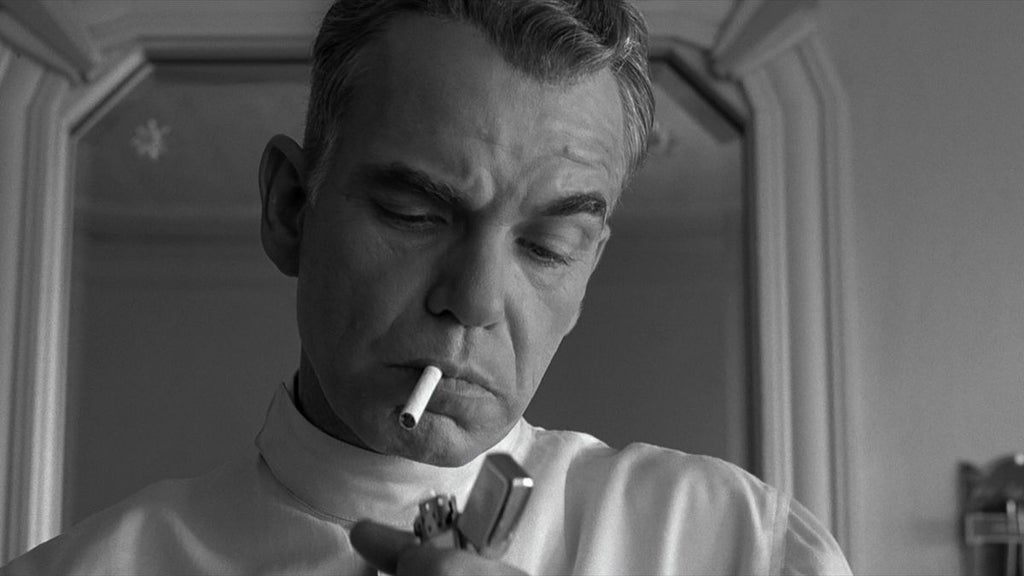
“The Man Who Wasn’t There” (Criterion)
One of the Coen Brothers’ best, most unsung works, this haunting, oddball black-and-white noir stars Billy Bob Thornton as a small town barber who is convinced that his wife is having an affair and gets embroiled in a blackmail scheme that, because this is a Coen Brothers movie, involves the nascent technology of drycleaning. There is also a UFO. And Scarlett Johansson as an underage temptress. It has its own allure, thanks largely to the velvety cinematography by Roger Deakins and the stacked cast of character actors including Richard Jenkins, James Gandolfini, Tony Shalhoub and, of course, Frances McDormand.
The main attraction of this release is a new 4K transfer overseen by Deakins, but there are some noteworthy special features, including a new interview with the Coens and author Megan Abbott, plus some older special features including a making-of documentary, a handful of deleted scenes and a commentary track featuring the Coens and Thornton. Now if only Criterion could get their hands on “The Ballad of Buster Scruggs.” And “Barton Fink.” And …
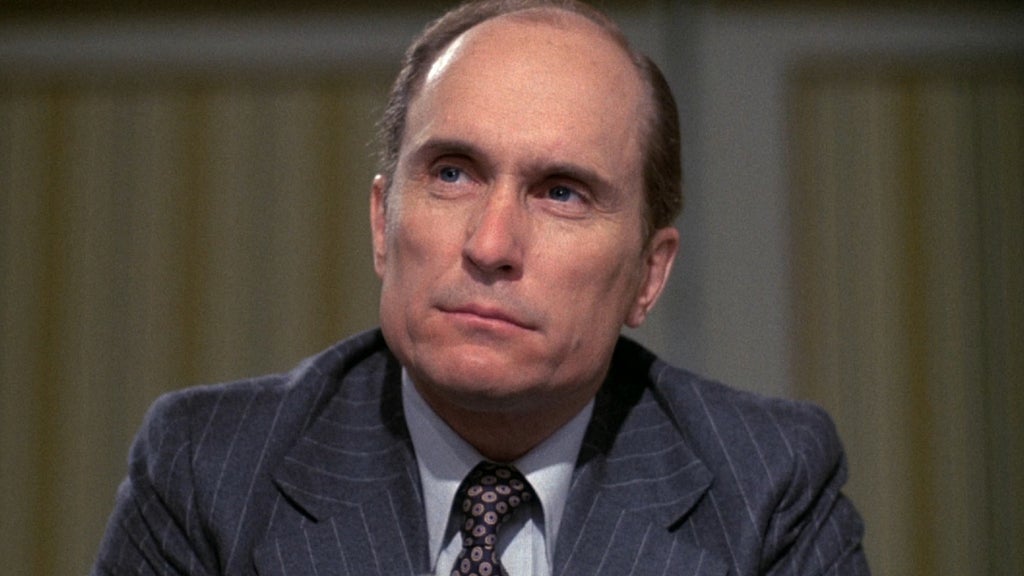
“Network” (Criterion)
The ultimate version of Sidney Lumet’s classic. The transfer is obviously a stunner and if you haven’t seen the movie, written by Paddy Chayefsky and starring Faye Dunaway and Peter Finch (in his final role), it really is something – far more than the “I’m mad as hell” sequence that is endlessly quoted, paraphrased and looped. It’s funny and biting and feels so ahead of its time. (There are modern day parallels aplenty.) It won for Academy Awards and maybe should have won Best Picture, although it was up against “All the President’s Men,” “Bound for Glory,” “Taxi Driver” and the ultimate winner “Rocky” in an exceptionally good year.
But when we say that this is the ultimate release of “Network,” we mean it – not only does it have the archival Lumet commentary track but it also includes “Paddy Chayefsky: Collector of Words,” a feature-length documentary from 2025; a six-part making of documentary by Laurent Bouzereau from 2006; and more. Of all the things you can still be mad as hell about, not having the very best home video release of “Network” is not one of them.
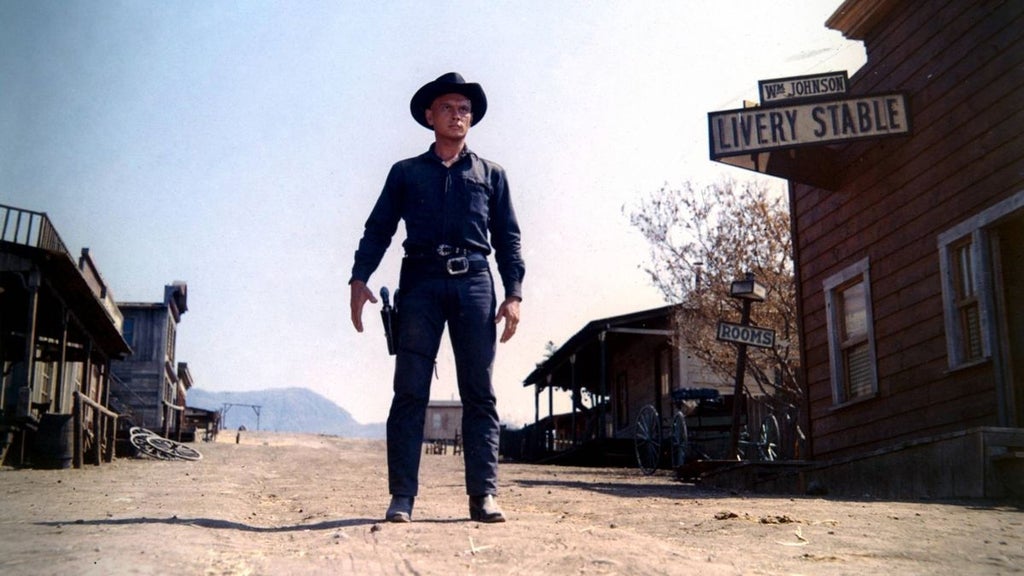
“Westworld” (Arrow)
“Westworld” is now more closely associated with the HBO series of the same name from Lisa Joy and Jonah Nolan, which had a turbulent four-season run on the premium channel and has now but all been deleted from the channel’s history. (You can’t even watch it on HBO Max anymore.) But long before that, it was a movie written and directed by Michael Crichton. And while part of the fun of watching the movie is seeing how it serves as an obvious blueprint for Crichton’s later hit “Jurassic Park,” it’s also a really fun 1970s sci-fi movie, full of groovy designs and a killer hook in the movie’s wild west theme park filled with killer robots. There’s also some eerie foreshadowing the movie does, like the robots inability to properly copy human hands, an early sign of the shortcomings of AI renders.
Arrow has put together a wonderful package for this release, with new interviews (including one with co-star James Brolin), a new video essay and host of archival features, including “Beyond Westworld,” a 1980 pilot for a television series that was never picked up. It would be cool to get a deluxe version of “Futureworld,” the 1976 sequel made without the involvement of Crichton and most of the original’s stars, since it is currently unavailable on physical media. Do androids dream of “Futureworld” 4Ks?
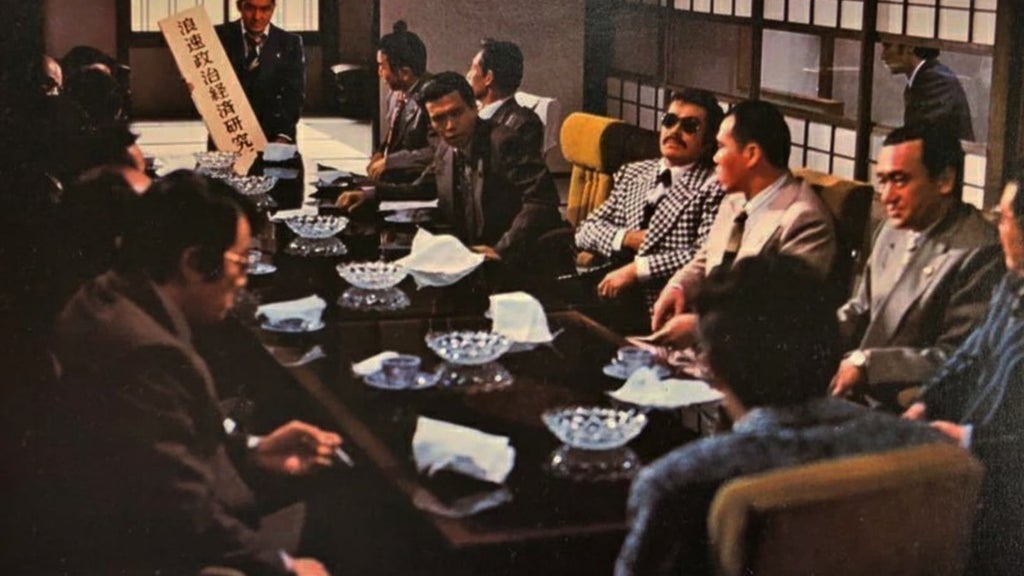
The Japanese Godfather Trilogy (Radiance)
Another essential release from Radiance is this trilogy of films from director Sadao Nakajima and the Toei studio, which drew inspiration from Francis Ford Coppola’s American masterpieces while also creating something distinctly and uniquely Japanese. 1977’s violent, electric “Japanese Godfather” sets the stage for a crime saga born from actual real world details and Coppola’s original underworld saga, while “Japanese Godfather II: Ambition” (also released in 1977) and “Japanese Godfather III: Conclusion” (1978) further veered into their own direction.
The resulting trilogy is a compulsively watchable drama, one that you will now cherish, perhaps as much as Coppola’s trilogy. While there are only a few special features in the set, they are all essential. One of the great discoveries of the year.
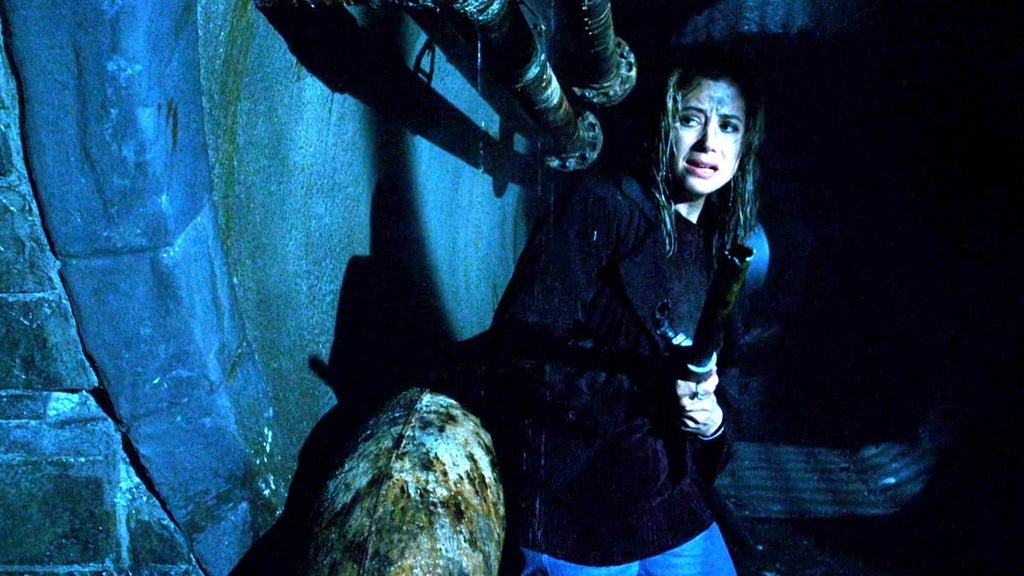
“Mimic” (Kino Lorber)
Director Guillermo del Toro has frequently spoken about the pain of his sophomore feature and debut English language movie, “Mimic,” comparing working with the Weinsteins to the kidnapping of his father (and saying that the kidnapping might have been easier to deal with). But a few years ago del Toro went back and made a more complete director’s cut of the movie, about humanoid insects lurking in the sewers underneath New York City, reclaiming what he had once considered lost. And while his version is indeed better, the original movie isn’t exactly the dog he makes it out to be.
It’s got a great central concept (about insects genetically engineered to kill a pest that is spreading a deadly disease), some lively performances by Mira Sorvino, Charles Dutton, F. Murray Abraham and Josh Brolin, and some killer creature designs. The production might have been torturous (at one point Steven Soderbergh wrote an entirely new version of the movie that was ultimately unused) but it resulted in a nifty creature feature.
One of the best things about this new release is that both the theatrical cut and del Toro’s preferred cut are each given their own 4K UHD disc; along with new and archival features on the Blu-ray disc. A true must-own disc for any discerning del Toro fan. And, really, Criterion wasn’t going to ever put this one out.
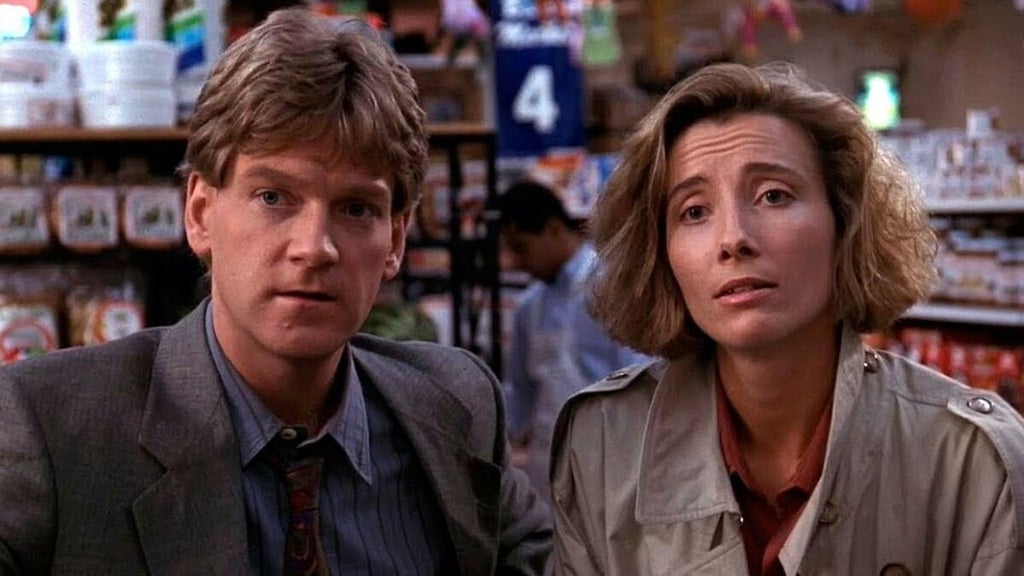
“Dead Again” (Kino Lorber)
One of the coolest, strangest movies of the 1990’s was “Dead Again.” Kenneth Branagh’s sophomore feature as a director, he also stars as a private detective who gets sucked into a murder mystery from decades earlier. (Branagh and Emma Thompson play different characters in both time periods.) The script, from the great Scott Frank, plays with elements of reincarnation and leans on Hitchcockian tropes that mix romance, suspense and something slightly more metaphysical. Robin Williams has a brief, uncredited role that set the stage for his darker work in the years to come.
Kino Lorber’s new 4K UHD transfer is dazzling, particularly when the movie shifts from color in the modern-day sections to black-and-white for the flashbacks, with a host of vintage special features that are just as engaging today, including two commentary tracks. Ready to get lost in the spell of “Dead Again”… again?


“K2” (Kino Lorber)
Ah the 1990’s. When Franc Roddam, the idiosyncratic English director of “Quadrophenia,” could make an R-rated, white-knuckle based-on-a-true-story mountain climbing movie. (Astoundingly, it was based on a well-reviewed stage play of all things.) More or less a two-hander (with Michael Biehn and Matt Craven), it is gripping throughout, stylishly staged and well-performed (Biehn was always an underrated actor, never more so than here).
Kino Lorber has given it the full package, with a new commentary track from critics Bryan Reesman and Max Evry; a new, nearly hour-long documentary with Roddam; and the original theatrical trailer.
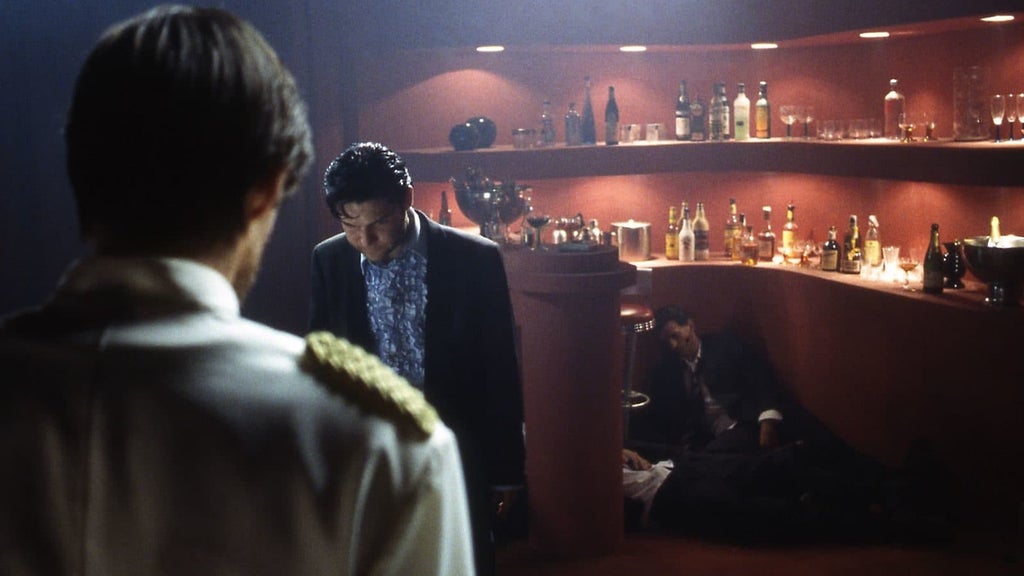
“The Birthday” (Arrow)
This Spanish film, from filmmaker Eugenio Mira, was barely released back in 2004. But when Jordan Peele programmed the movie at the Film Society of Lincoln Center as part of a series of films that inspired “Nope,” it took on new life. The following year a newly remastered of the movie played in Alamo Drafthouse locations nationwide and now, we get a deluxe 4K edition courtesy of Arrow.
Set in a single location (a haunting, possibly haunted hotel) and following a man (Corey Feldman, breaking new ground) looking to propose to his girlfriend on the night of her father’s birthday, it is a delirious mixture of tones and styles, proof of both Feldman’s fearlessness as a performer and presenting a possible path where he would have respected, maybe even celebrated, as an actor. You know, had the movie actually come out.
This release features a commentary track from Mira and Feldman, a new interview with Mira, material from its 2024 re-release and more. If you’ve never heard of “The Birthday” or maybe curious about what Peele found so fascinating about the movie, now is your chance.
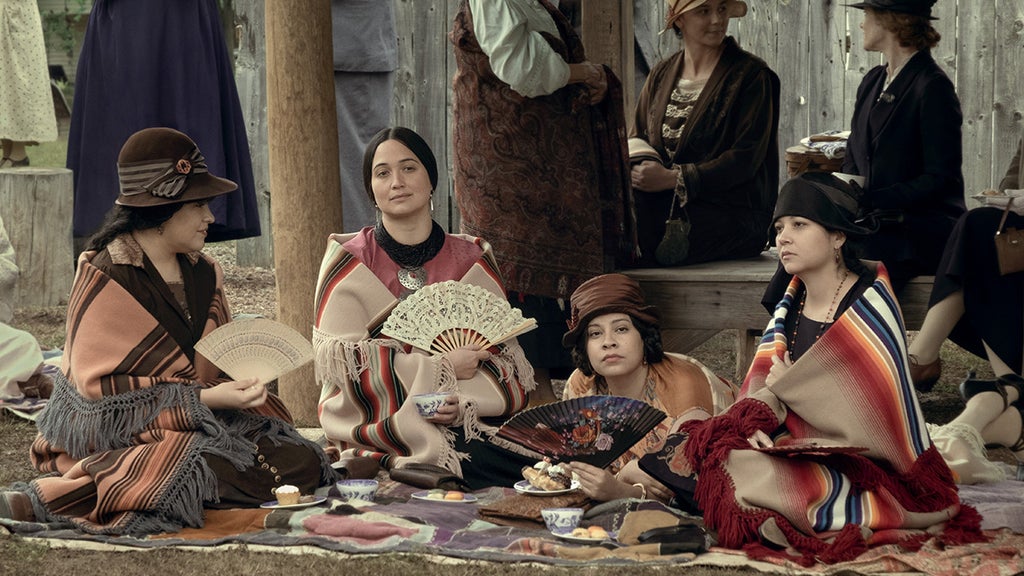
“Killers of the Flower Moon” (Criterion)
It felt like it was never going to happen. At one point Criterion even made an on-the-record remark about how they were trying to get the rights to Martin Scorsese’s Oscar-nominated epic “Killers of the Flower Moon” but Apple wasn’t budging. Clearly something changed. And it was worth the wait.
Scorsese’s thorny adaptation of David Grann’s nonfiction book about the Osage murders and the birth of the modern F.B.I. shifts focus away from the cowboyish lawman (played here by Jesse Plemmons) and instead zeroes in on Ernest Burkhart (Leonardo DiCaprio), one of the conspirators behind a quiet genocide. Buckhart is married to a Native woman (Lily Gladstone) but a key part of the ghastly plot, engineered, in part, by his scheming uncle (Robert De Niro). It’s incredibly complicated and emotionally fraught and Scorsese brings it all to life in near-mythic fashion.
Not only is the 4K presentation better than you’ll ever see on Apple TV, no matter your set-up, but there are also some incredible extras, including a new documentary on the making of the film, another new documentary on the film’s final shot (you know it) and archival features, including some marketing materials. It’s the package this fine film deserves. Now if only Criterion could get the rights to Ridley Scott’s underrated “Napoleon.”
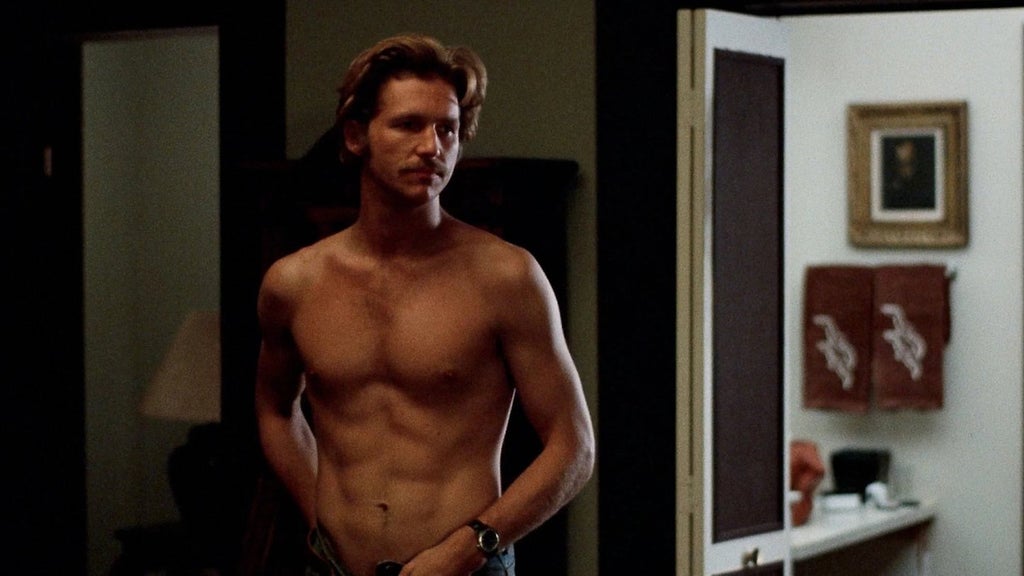
“Cutter’s Way” (Radiance)
One of the unsung masterpieces of the 1980’s, “Cutter’s Way” gets the deluxe treatment from Radiance, one of our very favorite labels. And it’s a doozy. Based on the 1976 novel “Cutter and Bone” by Newton Thornburg, which the movie was also briefly known as, it follows John Heard as a wounded Vietnam veteran and Jeff Bridges as his shaggy friend, as they stumble upon a murder case. (The movie was shot in Santa Barbara, California, and has a singular look that sets it apart from other post-Watergate neo-noirs of the period.)
The movie has been released three times in the past 10 years, in earlier, limited editions from Twilight Time and then Fun City Editions. If you missed out on those earlier releases, that’s okay. Because this is the definitive version. It looks and sounds genuinely incredible, without scrubbing away too much of its hardscrabble edge, and has an array of special features, including commentary tracks, archival interviews and documentaries, and the option to watch the movie with its original “Cutter and Bone” title card. For “Cutter’s Way” acolytes, this is a thrill.
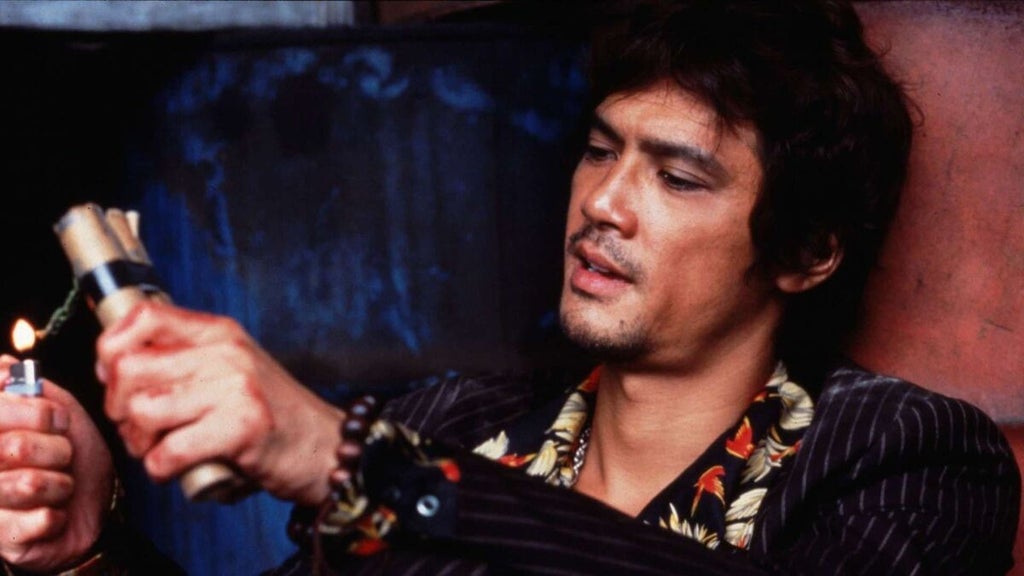
“Agitator” (Radiance)
Japanese auteur Takashi Miike has made a lot of movies. And during his breakthrough period in the late 1990’s, early 2000’s, he was releasing terrific movies that hardly anybody outside of Japan saw. “Agitator” is one of those movies, coming out the same year as more widely heralded Miike masterworks “Ichi the Killer” and “The Happiness of the Katakuris.” And thanks to the folks at Radiance, we finally get a great version of this sprawling yakuza epic.
While it initially received somewhat mixed reviews, it’s hard not to appreciate just how massive the movie, about the recently named head of a crime syndicate and all the complications that go along with it, really is, with flashes of Miike-worthy violence and expertly staged set pieces. The Radiance disc actually features two versions of the movie (the original version and an extended cut), along with a new half-hour interview with Miike and a commentary track. Truly, what more do you need?

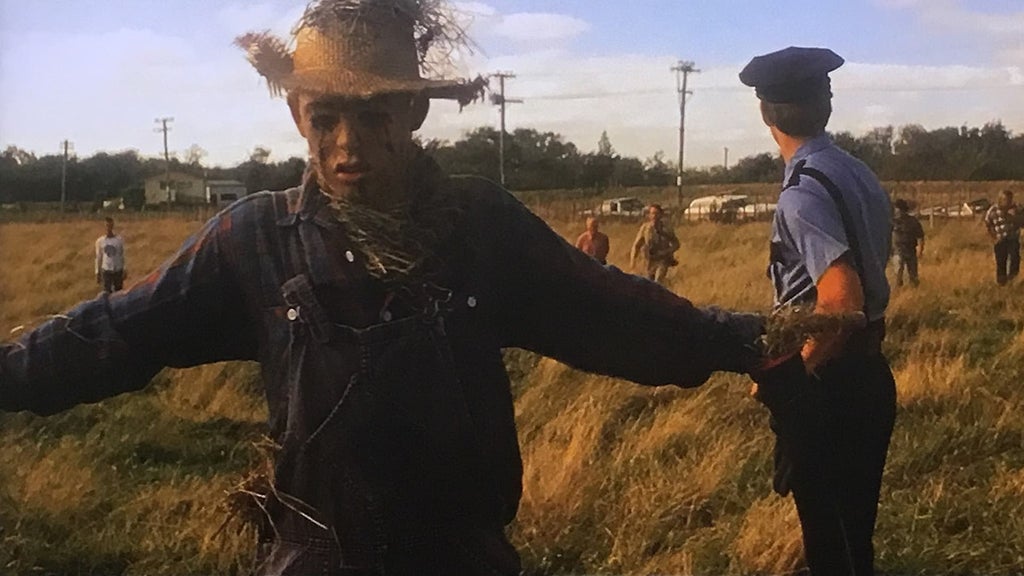
“Dead Kids” (Powerhouse)
Another one of the best, most unheralded movies of the 1980’s, “Dead Kids” (aka “Strange Behavior”) is an erstwhile throwback to the pulp comic books of the 1950’s, as odd murders begin occurring in a small American town. Far from the sensationalized slashers of the period, this is stranger and more affecting, featuring one of the most incredible sequences in horror cinema from the period, a dance sequence at a high school party set to Lou Christie’s 1966 single “Lightnin’ Strikes.” It’s such a beautiful (yes, striking) sequence that even if you don’t love the rest of the movie (and, really, you should), you have to admit that the moment is utterly brilliant.
Director Michael Laughlin would only direct two more films, including the “Strange Behavior” follow-up “Strange Invaders,” which was equally esoteric and instead followed the contours of old school sci-fi stories. This new “Dead Kids” release features a new 4K transfer, and a truly astounding collection of special features, including new interviews, archival materials, appreciations and marketing stuff. Laughlin died of complications from COVID in 2021 but he surely would have gotten a kick out of his little cult curio getting so much love and attention.
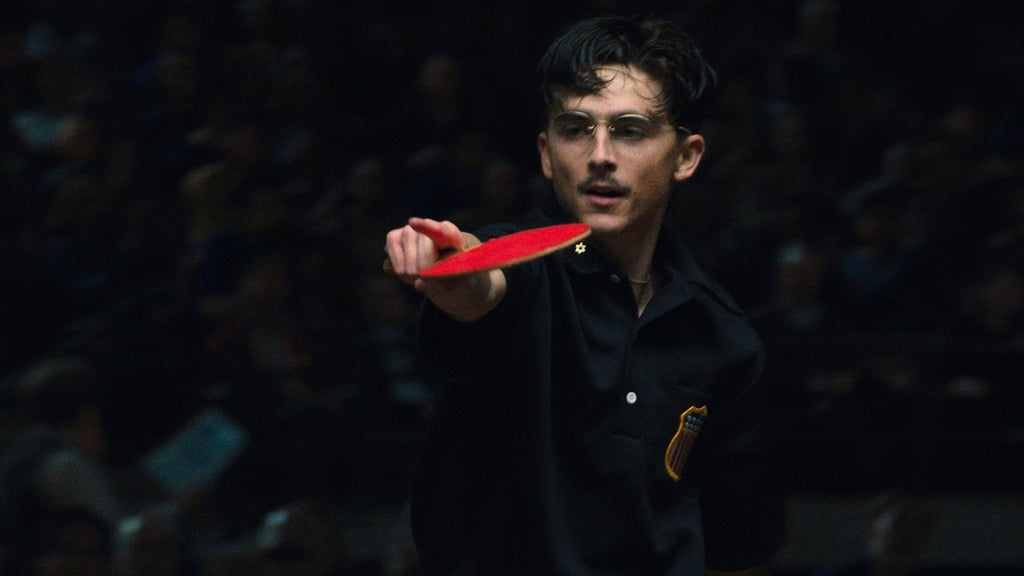
“Marty Supreme” (A24)
A24’s most successful movie ever arrived on home video with an absolutely killer disc. If you didn’t see “Marty Supreme,” which was nominated for multiple Academy Awards, including Best Picture, but left the ceremony empty-handed, it follows a ping pong prodigy (Timothée Chalamet) as he fumbles his way towards the American dream in post-war New York. Since this is a movie directed by Josh Safdie, one of the nerve-jangling filmmakers behind “Good Time” and “Uncut Gems,” whatever can go wrong, does go wrong, in exceptional fashion. And even when he’s doing terrible things, you end up rooting for Chalamet’s character. Or least you hope he gets it together and straightens himself out.
Bolstered by jaw-dropping cinematography by Darius Khondji, an unforgettable score by Daniel Lopatin (channeling Tangerine Dream) and a soundtrack dotted with 1980’s bangers, “Marty Supreme” is the rare blockbuster and critical darling that also feels somewhat underrated. The 4K disc looks and sounds impeccable, with just enough special features to hold you over (Safdie commentary, multiple behind-the-scenes documentaries, a nifty camera test). Never stop dreaming big.
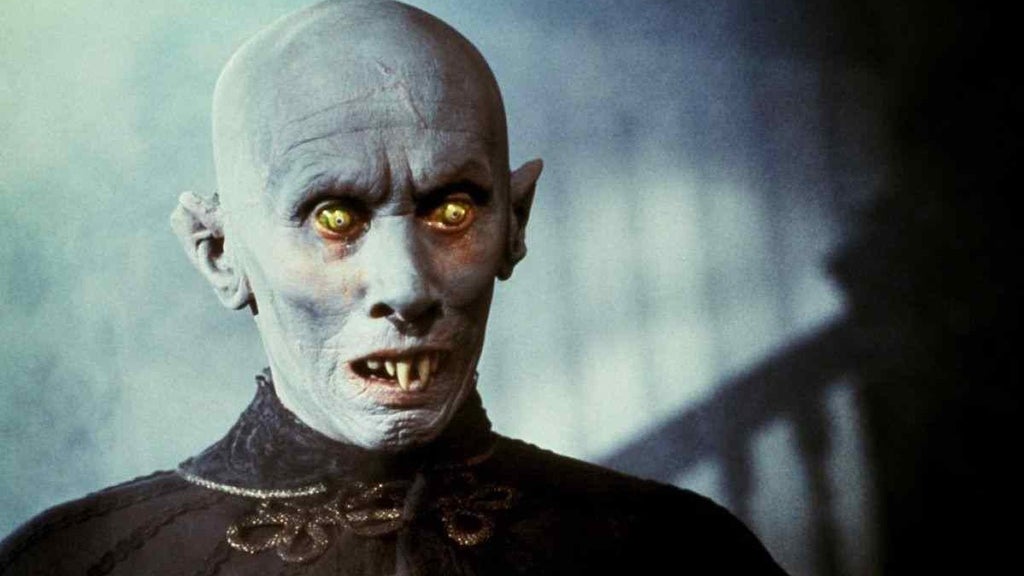
“Salem’s Lot” (Arrow)
It seems somewhat unnatural (perhaps supernatural) for Tobe Hooper’s grungy, made-for-network-television version of Stephen King’s celebrated novel to get the glistening 4K treatment. But we are not complaining about this Arrow release, which brings new life to the treasured vampire miniseries. Unlike the recent adaptation of the novel, Hooper’s “Salem’s Lot” is allowed to indulge in all the nooks and crannies of the original story; you really get a sense of the town, its inhabitants and the ways in which the evil introduced into the town is both new and feeding on something that has already been there, maybe since the town was founded.
What makes this release really special is that both the miniseries version of “Salem’s Lot,” broken into two parts or one giant whole, is available in 4K quality, along with the theatrical movie version, which has an absurdly truncated runtime that is barely more than one night of the miniseries. Each version has separate commentary tracks and special features – television bumpers and alternate television footage on the miniseries version, trailers on the theatrical version, plus new documentaries and retrospective interviews. Truly, we are not worthy!
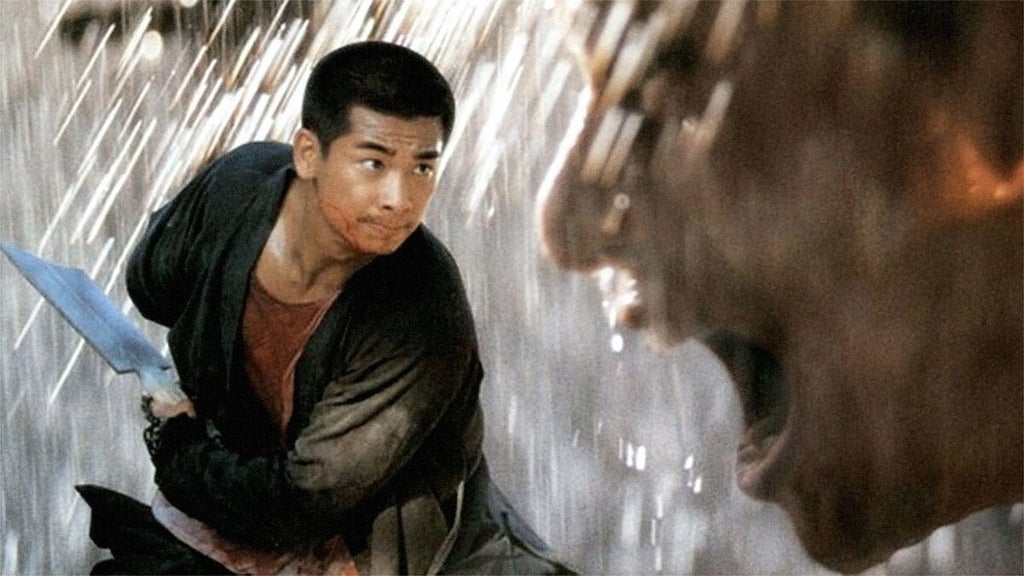
“The Blade” (Criterion)
Every time Criterion puts out a Hong Kong movie, an angel gets its wings. Or at least its brass knuckles. This formally ambitious masterwork from Tsui Hark stars Vincent Zhao as a one-armed swordsman cutting a violent swath through his enemies. It harkens back to the concept originated by the Shaw Brothers in “The One-Armed Swordsman” back in 1967, but Hark makes it his own, with an editing style that still feels ahead of its time and sharply staged action.
This hugely anticipated 4K disc has crisp video and audio that makes you appreciate what a formal accomplishment “The Blade” really is and features a new audio commentary featuring Hong Kong cinema expert and producer Frank Djeng; a 2006 documentary with Hark, co-screenwriter Koan Hui, and actor Xiong Xin-xin; a new Every Frame a Painting documentary; and a Q&A with Hark from 2011. Talk about killer.
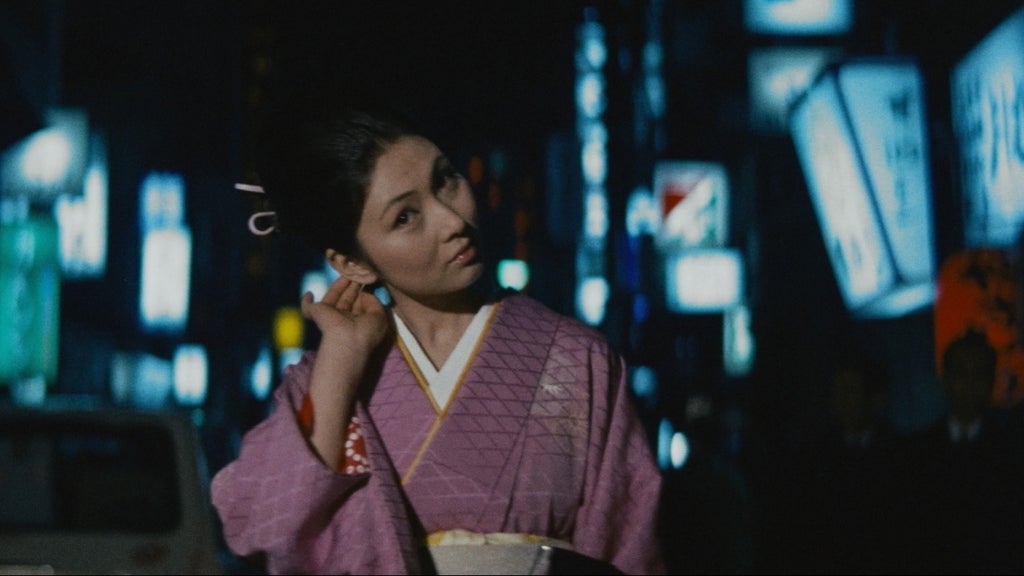
Wandering Ginza Butterfly Collection (Arrow)
Legendary Japanese actress Meiko Kaji is having a moment. There have been retrospective screening series in both Los Angeles and New York, where she has done post-screening Q&As and gotten to talk about her astounding body of work, which includes the “Sasori” series, “Lady Snowblood” (and its sequel) and this, the two “Wandering Ginza Butterfly” movies. Both released in 1972 from Toei, they feature Kaji as a woman returning to her neighborhood after some time in prison for killing a yakuza boss. Soon enough she’s getting in trouble again.
In the sequel she’s paired with the equally iconic Sonny Chiba as she continues her quest for revenge. Arrow’s Blu-ray set features new video and audio, improved English subtitles; new interviews and commentaries; and a Japanese gambling den’s worthy of archival features (including an interview with Kazuhiko Yamaguchi). Let’s continue the Kaji celebration with this must-own set.
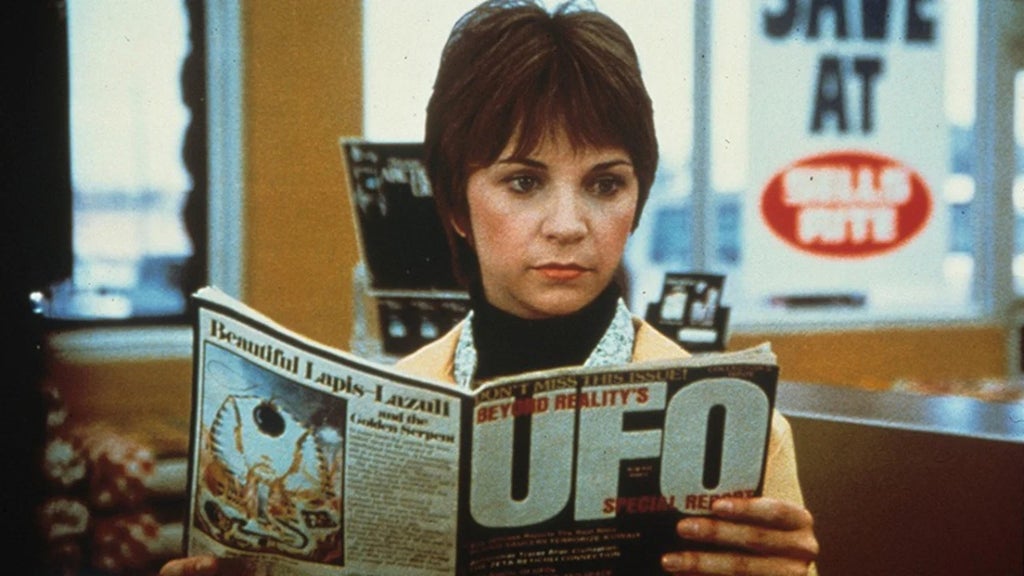
“UFOria” (Kino Lorber)
A 4K disc of “UFOria” feels like a miracle. To explain – the movie was made in 1981 for 20th Century Fox, who deemed the movie impossible to market and returned it to the filmmakers. They finally found a partner in Universal, who released it in 1985 without any advertising and in a handful of theaters in New York and Los Angeles. In 1986 another attempt at a theatrical run was attempted, this time bolstered by a glowing New York Times review, but it didn’t really help.
The movie didn’t find an audience and its soundtrack full of well-known country songs made it virtually impossible to release on home video (it was released once in 1987 with some of the songs replaced or re-recorded). Now, the film, about a low rent hustler (Fred Ward), a con man preacher who actually has the power to heal (Harry Dean Stanton) and a grocery store clerk with visions of an approaching UFO (Cindy Williams), is finally available – in 4K No less – thanks to Kino Lorber. Truly doing God’s work here.
The new Dolby Vision transfer is a knockout, but considering it only existed in fringe formats before, anything would probably be great. There’s a lone special feature but it’s a good one – a commentary track from writer/director John Binder and associate producer Jeanne Field moderated by filmmaker/historian Daniel Kremer. And what a journey it has been.
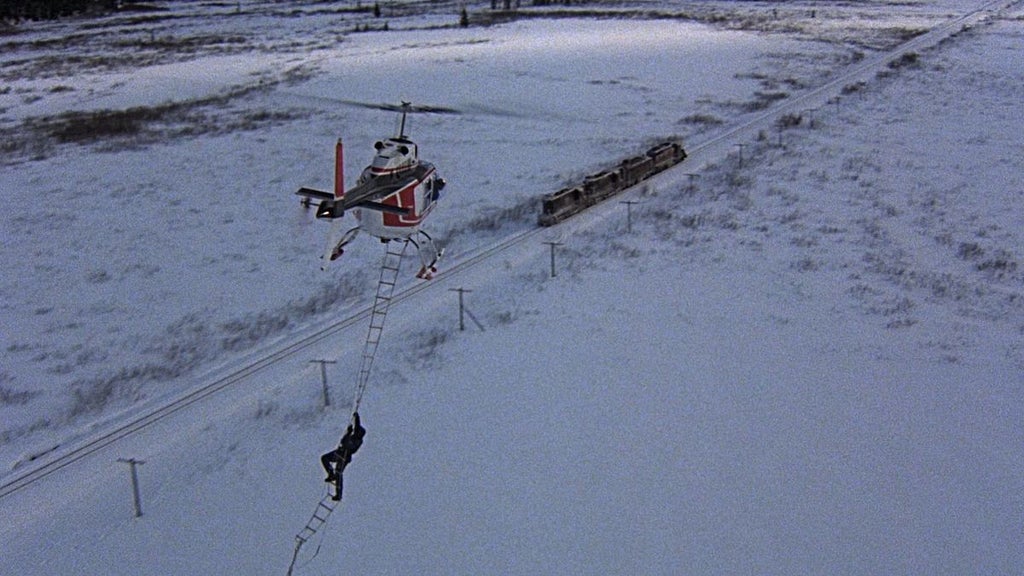
“Runaway Train” (Kino Lorber)
Based on an unproduced 1960 screenplay by Akira Kurosawa and directed by Russian filmmaker Andrei Konchalovsky, “Runaway Train” is one of the best, most muscular action movies of the 1980’s and one of the best movies ever released by Cannon Films, the infamous movie studio that could have only existed in the me decade. Jon Voight and Eric Roberts are escaped convicts trapped on a runaway train as it plows through an arctic Alaska. Both Roberts and Voight were nominated for Oscars, even though at the time of release the movie was received indifferently from audiences (critics like it more).
In the years since, it has been rightly reappraised as a classic of the era and it has never looked better than in this stunning 4K from Kino Lorber. There are mostly archival special features, housed on the additional Blu-ray disc, although there is a new interview with Roberts where he reflects on his involvement in the film. Ready to go for a ride?

“Romancing in Thin Air” (Radiance)
While Radiance is great for dragging out obscure classics from decades prior, from far-flung locales like Greece or Italy or Japan, it also is good about dusting off more recent films, like this 2012 gem from the chameleonic Hong Kong director Johnnie To. A co-production from Hong Kong and mainland China, “Romancing in Thin Air” is an earnest, swoony romance that one reviewer described as “Misery” as remade by the Hallmark Channel.
That might be a little cutting but the movie is deceptively simple and lovely, with To bringing his considerable technical expertise and knack for emotionality, to a movie that could have been otherwise quite pedestrian. There is a nice array of special features too, including a commentary track, new interview with the screenwriter and new visual essay. Ready to fall in love with “Romancing in Thin Air?”
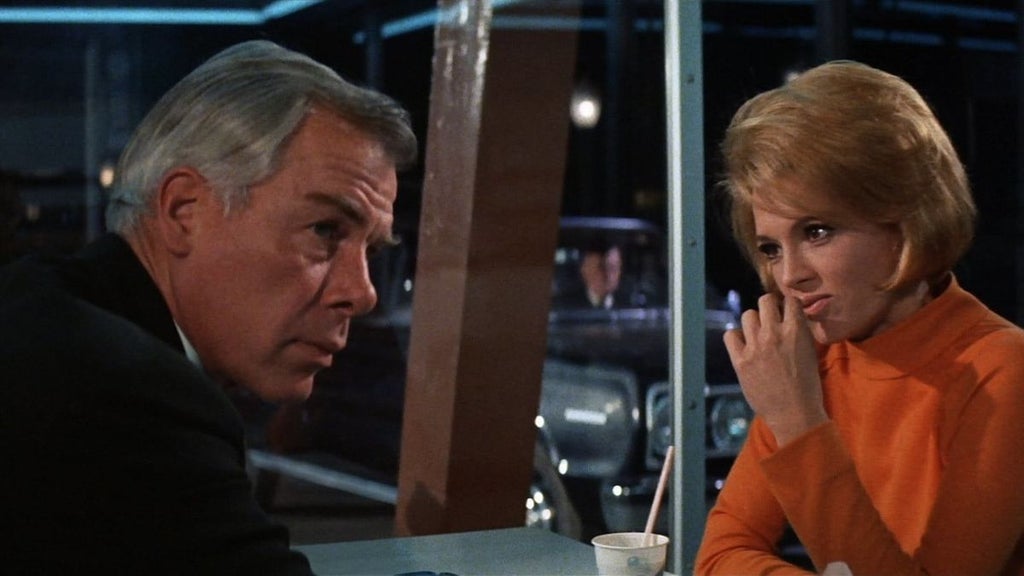
“Point Blank” (Criterion)
One of the best movies of the 1960’s is one of the best discs of 2026. John Boorman’s 1967 masterpiece, based on the Donald Westlake novel “The Hunter,” follows a thug (an excellent Lee Marvin) on a noir-ish quest for revenge in swinging Los Angeles. And its deceptively straightforward narrative is constantly undermined and embroidered by Boorman’s playful staging and structure, which jumps around in time (and in-and-out of reality), emphasizing the graphic boldness of Los Angeles of the time and its own pop art sensibilities.
This can be summed up by an early scene of Marvin walking through LAX, the colorful hallway immortalized by “The Graduate” and “Jackie Brown” behind him, his footsteps creating a rhythmic pattern, one that seems to psychically alert his estranged wife. It’s absolutely incredible. And that’s just one example. Sparingly shot, with bursts of shocking violence, the movie has rightfully taken its place as one of the best of the decade – and beyond.
This release features an archival commentary with Boorman and Steven Soderbergh (who clearly borrowed a lot for his own LA revenge movie “The Limey”); a new conversation with critic Mark Harris; a new tribute from Jim Jarmusch (whose own “Ghost Dog” feels similarly indebted to “Point Blank”); a new documentary about the midcentury architecture featured in the film; a short documentary on the making of the film (and its use of Alcatraz, which had just closed a few years before); and an interview with Marvin from “The Dick Cavett Show.” Incredible.
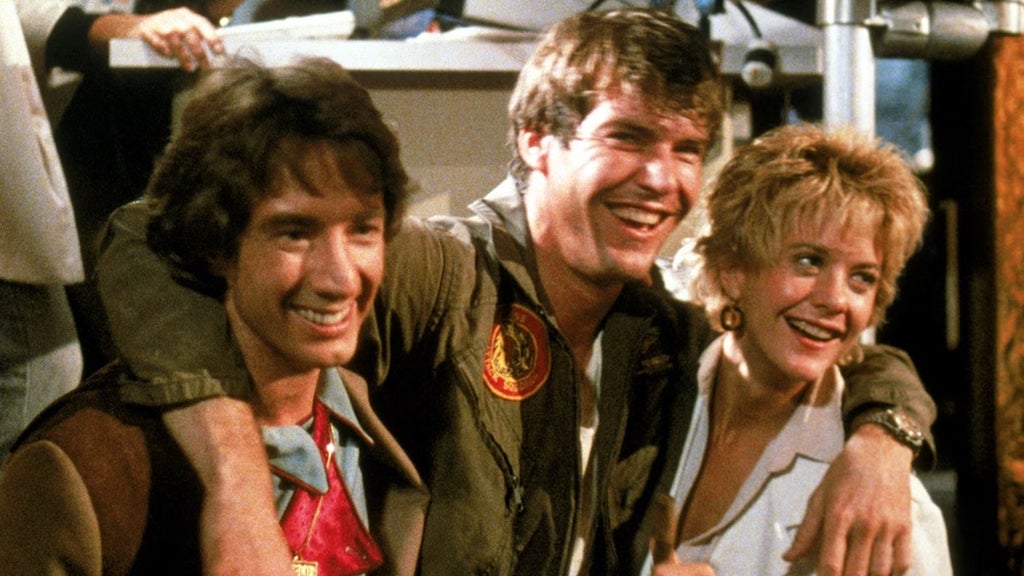
“InnerSpace” (Arrow)
Joe Dante’s gonzo blockbuster finally gets the deluxe treatment it deserves. Made after the bruising experience of “Explorers,” a film Dante still considers unfinished, “Innerspace” feels like the plutonic ideal of big-budget, high-concept Hollywood filmmaking. “Innerspace” saw Dante re-team with Steven Spielberg for the first time since “Gremlins,” following an aviator (Dennis Quaid) who is miniaturized and accidentally injected into an unsuspecting grocery store clerk (Martin Short).
It combines the shrunken sci-fi antics of “Fantastic Voyage” with a kooky romantic comedy mechanic not terribly dissimilar from “Cyrano de Bergerac” (they’re both, in a way, wooing Quaid’s girlfriend, played by a never-more-adorable Meg Ryan). There are also tons of Dante flourishes, like an assassin with a mechanical hand and some next-level, Oscar-winning visual effects from the wizards at Industrial Light & Magic. One of Dante’s very best, it feels like a movie designed to be rented from the local video store and enjoyed with a popcorn and a smart selection of candy options.
Arrow’s 4K presentation is eye-popping, as are the special features, which includes a new, hour-long documentary and previously unseen footage of Dante and ILM. What a movie! What a home video release!
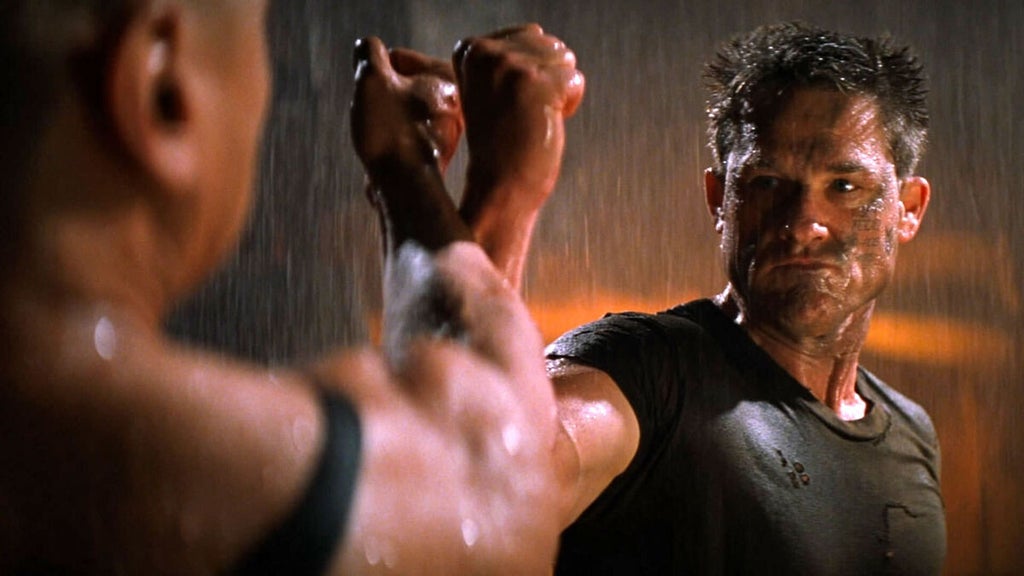
“Soldier” (Arrow)
The Arrow/Warner Bros. licensing agreement keeps paying dividends. “Soldier” was based on a screenplay by David Webb Peoples, who wrote the script in the 1980’s and thought of it, in part, as a follow-up to his beloved “Blade Runner.” While Peoples claimed that they were set in the same fictional universe but later said that he was more inspired by James Cameron’s “The Terminator.”
The movie stars Kurt Russell as a super soldier who befriends a group of refugees before facing off against newer, better versions of himself (led by Jason Scott Lee). Directed by Paul W.S. Anderson, the king of vulgar auteurism, who has a knack for lively action set pieces, ‘Soldier” was a huge flop upon release, both critically and commercially (it made little more than $14 million on a budget of $60 million) but has become a curio in the years since.
Arrow certainly gives it some much-needed love, with new interviews, a vintage commentary track and archival material like deleted scenes, on-set interviews and trailers. If you’ve never seen “Soldier,” now’s the perfect time to enlist.
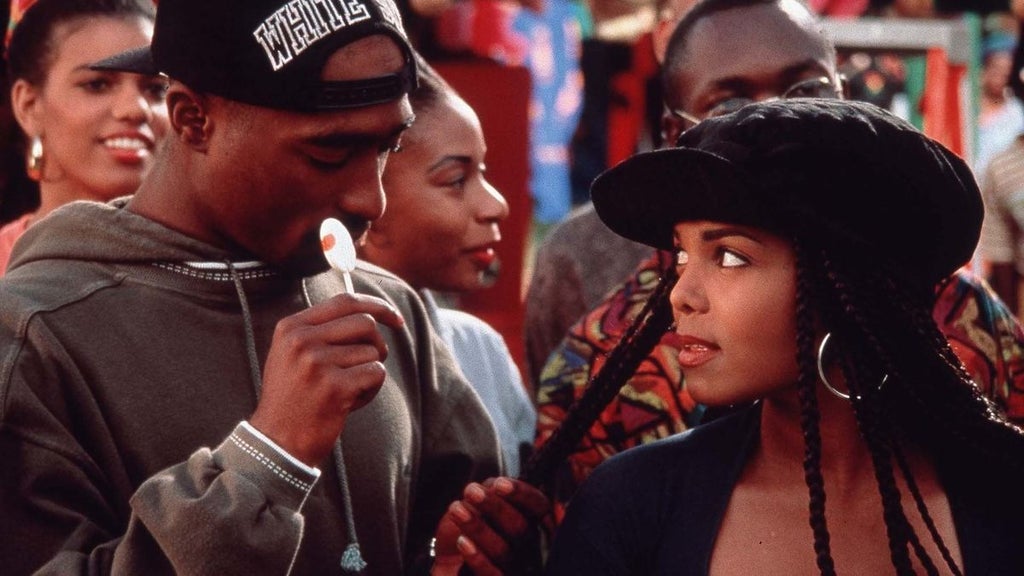
John Singleton’s Hood Trilogy (Criterion)
One of the most exciting releases of the year is Criterion’s box set of John Singleton’s Hood Trilogy – 1991’s “Boyz n the Hood,” Singleton’s jaw-dropping debut feature; 1993’s deeply underrated romance “Poetic Justice;” and 2001’s “Baby Boy,” a spiritual follow-up to “Boyz n the Hood” that saw Singleton maturing as a filmmaker and a man.
All three are presented on 4K UHD discs (“Boyz n the Hood” had an earlier 4K release from Sony) and are properly festooned with extras, including archival commentaries from Singleton (who sadly passed away in 2019 at just 51), a conversation between Ryan Coogler and Regina King (who appeared in “Boyz n the Hood,” “Poetic Justice” and Singleton’s third feature “Higher Learning”), a new documentary about Singleton’s process and new audio interviews with Tyrese Gibson and Taraji P. Henson, plus tons of archival materials from earlier releases of the movies.
Singleton was a truly singular talent who channeled the voices of a generation into blisteringly brilliant movies that were unlike anything else. This set will make you miss him even more.
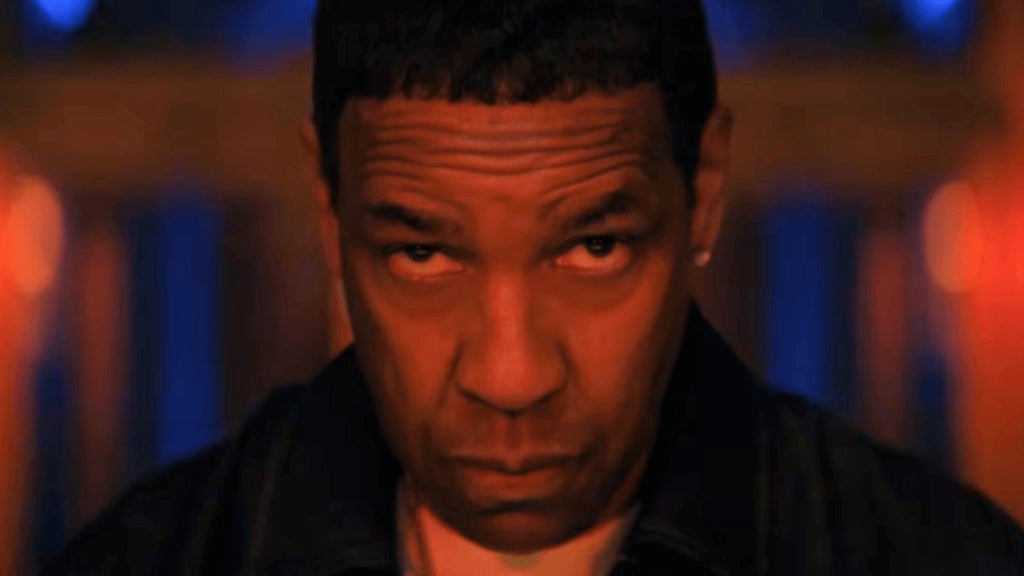
“Highest 2 Lowest” (A24)
1963’s “High and Low” is one of Akira Kurosawa’s greatest accomplishments; a cutting adaptation of an American crime novel (Ed McBain’s 1959 hit “King’s Ransom”) that also features one of the greatest uses of color in a black-and-white film ever. A remake also seems unfathomable. But leave it to Spike Lee to be a filmmaker fearless enough to tackle it. “Highest 2 Lowest” casts Denzel Washington as a New York music mogul embroiled in a kidnapping scheme.
It’s a fascinating adaptation and update and includes at least two all-timer sequences – a sequence where a money exchange goes very wrong and a final confrontation between Washington and his tormenter (played by an electric A$AP Rocky). After a brief theatrical run, the movie went almost directly to Apple TV.
Thankfully, A24 has treated us to a physical media release, with a conversation between Lee and Washington, a brief making-of doc and a music video directed by Lee, plus handsome packaging that includes six postcards. Between this and “Killers of the Flower Moon,” it’s a great time to own physical copies of direct-to-Apple-TV movies.
