

Typically, upfronts week is an embarrassment of announcements as the biggest names in TV compete for advertiser attention. That wasn’t exactly the case this year.
Sure, the usual players were there — elaborate musical and dance performances, more celebrities than an Oscars red carpet, endless open bars and NFL commissioner Roger Goodell. There were also some new innovations. Every industry player emphasized how they’ve incorporated AI into their advertising tech, announcements tied to microdramas and vertical video were made and more creators and podcasters than usual appeared on stages not being rented by YouTube.
But overall, these upfronts felt safe.
The more conservative stance is an outgrowth of a Hollywood beset by spending cuts, economic uncertainty and the prospect of industry consolidation. The result was media companies gravitating to the tried and true hits, leaning more into sports and existing stars than taking a chance on anything fresh.
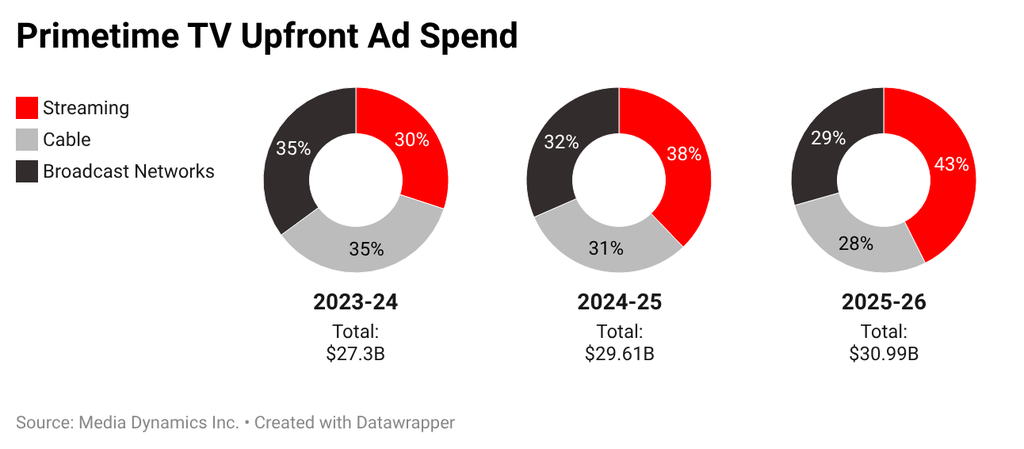
As the venue for how media companies drum up advertising interest, the upfronts remain a big deal. Last year, advertisers’ total primetime TV upfront spend came in at an estimated $30.99 billion, a 5% increase, according to the research firm Media Dynamics Inc. Roughly $13.2 billion of that went towards streaming, a 13.9% year over year increase, while the remaining $17.8 billion was split between broadcast and cable. Broadcast spend fell 2.5% to $9.1 billion, while cable tumbled 4.3% to $8.7 billion.
Below, TheWrap unpacks the six major trends observed from the presentations.
Sports, sports and more sports
Similar to last year, sports remained front and center at all the upfront presentations.
Though Fox, NBC, Amazon and Netflix were happy to highlight their partnerships with the biggest player in town — the NFL — league commissioner Roger Goodell only appeared onstage during Disney’s Tuesday presentation. Maybe that’s because ESPN acquired the NFL Network and the NFL RedZone in exchange for the league taking a stake in the network in January, or maybe it’s because the NFL is in the middle of a reported media rights squeeze starting with Paramount. Regardless, it was a big change from last year when Goodell was everywhere.
Fox, NBC, Disney and Netflix used their upfronts to announce they would each be getting additional NFL games. Notably, Netflix chief content officer Bela Bajaria revealed that the streamer’s partnership with the NFL would be extended for four years through the 2029-30 season and include a Week 1 game, a Thanksgiving Eve match-up, one Christmas Day game, a Week 18 regular season finale game and the NFL Honors. Meanwhile, Disney touted Super Bowl LXI and said it would deliver 40% of football’s ad impressions for the upcoming season.

The NBA also got some love, which was expected considering that last year kicked off the basketball league’s massive new media rights deal. Amazon announced its livestreaming platform Twitch would let creators cast certain NBA and WNBA games next season and bragged it will be the home of the NBA Eastern Conference Finals. At Disney, Shaquille O’Neal and Cooper Flagg announced that viewership for the beloved sports commentary show “Inside the NBA” increased 143% since moving to ESPN and that NBA viewership on ESPN and ABC increased 18%. And of course, NBC highlighted its reported $27 billion investment with the league, though the network’s presentation was lacking in hard figures overall.
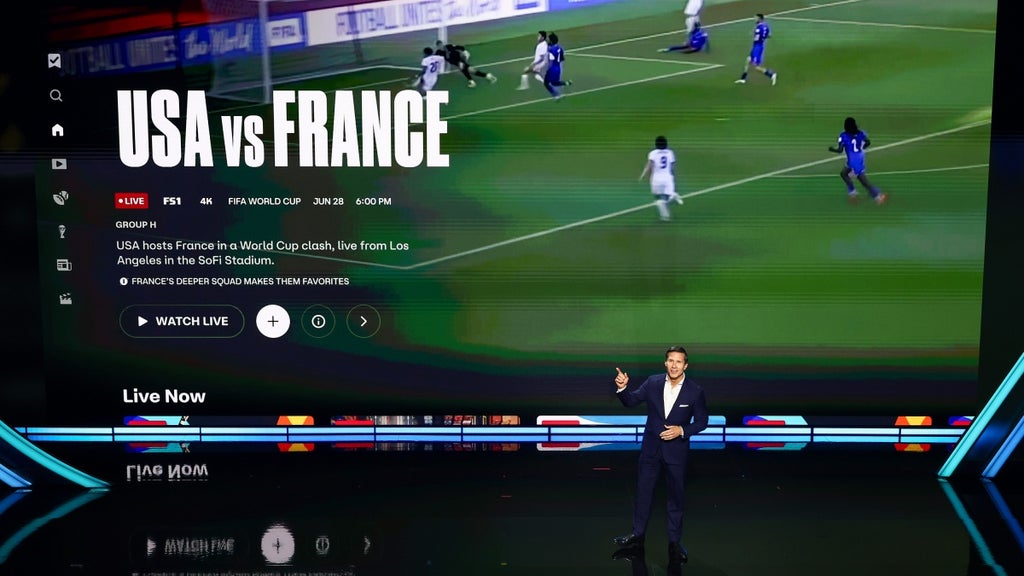
Fox and NBCU also flexed their rights for the 2026 FIFA World Cup, which will be taking place in the U.S. this summer for the first time in over three decades. All 104 games will be available on Peacock with Telemundo offering them in Spanish, and Fox analyst Michael Strahan revealed that Fox expects over 15 million fans to watch each U.S. match. Even YouTube got in on the World Cup excitement, unveiling Norwegian player Erling Halaand’s upcoming “Road to World Cup” as one of its big series of the evening.
Other sports talent that made the rounds to advertisers included the social media sensation Savannah Bananas, the U.S. National Women’s Soccer Team, Jason Kelce, Billie Jean King and 10 Super Bowl MVPs, including Peyton and Eli Manning and Jerry Rice. The Masters, the NWSL, Roland-Garros and NASCAR also got shoutouts during the week.
More celebrity power, fewer buzzy shows
Typically, upfronts week is the time for networks and streamers to highlight their biggest TV hits. That’s why this one felt so jarring. Aside from a couple of stray announcements, most presentations focused on showcasing the talent these companies already have rather than building hype for new shows.
Peacock gave viewers a first look at A24 and Linda Cardellini’s “Friday the 13th” prequel “Crystal Lake;” Jennifer Garner, D’Arcy Carden, Gemma Chan and Chloë Sevigny hyped up the Elin Hilderbrand adaptation, “The Five-Star Weekend”; and Vin Diesel announced an upcoming “Fast & Furious” show (with three others reportedly in development). NBC also transported Bravo whisperer Andy Cohen back to the 2000s to promote “The Real Housewives Ultimate Girls Trip: Roaring 20th,” which is sure to be a big hit for reality fans.
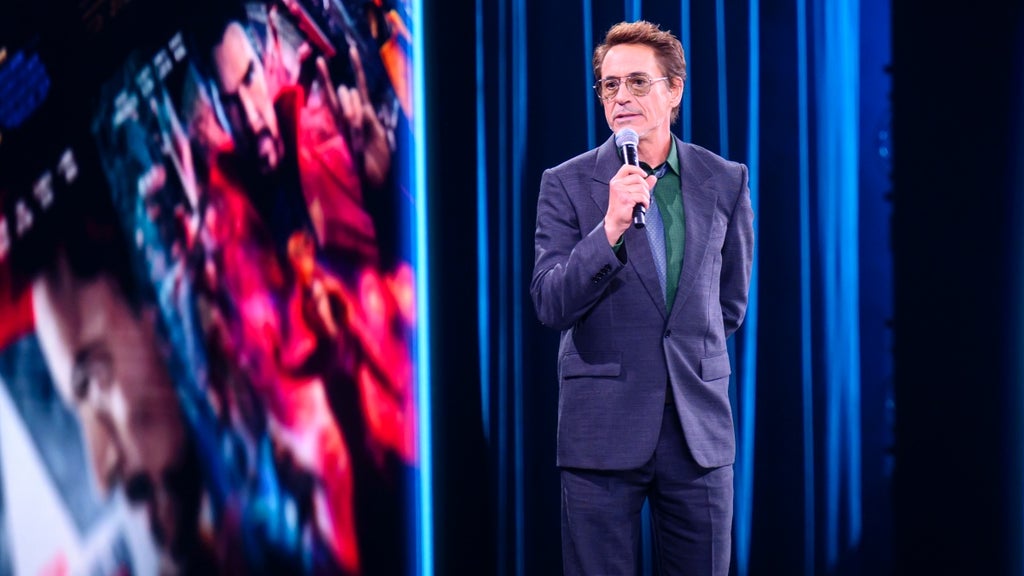
Disney and Netflix also had some notable moments, but the shows they highlighted were more of their B and C-tier players than any major juggernauts. Disney devoted a good amount of time to teasing Season 13 of “American Horror Story” before spotlighting Ryan Murphy’s upcoming “The Shards,” both on FX. On the Marvel side, “VisionQuest” got a teaser that was introduced by Robert Downey Jr., Tom Hiddleston and Paul Bettany. An elaborate dance number also prefaced the announcement that Robert Irwin will be hosting a “Dancing With the Stars” spinoff on ABC.
As for Netflix, “The Hunting Wives” got a great amount of play as a returning hit for the streamer. Dan Levy’s “Big Mistakes” also got a Season 2; Tina Fey and Will Forte promoted “Four Seasons” Season 2; and the final season of “Outer Banks” had a shining sendoff. But the major new series it promoted were the Will Ferrell comedy “The Hawk” and Florence Pugh’s adaptation of “East of Eden” — shows that very well may be good, but have no shot at being the next “Stranger Things.”

Fox and WBD’s scripted spotlights were even more bare bones. Fox spent most of its presentation emphasizing its sports spend and trying to reposition itself as a tech-savvy broadcaster before giving a 2027 premiere date for the upcoming “Family Guy” spinoff, “Stewie.” The network also had a massive push for its “Baywatch” reboot, which will be premiering midseason next year and stands as one of the most anticipated new shows coming to broadcast, and teased its upcoming Stephen Fry show “The Interrogator.” Hits like “Memory of a Killer” and “Animal Control” also got some love.
Warner Bros. Discovery’s presentation was similarly thin, highlighting HBO’s upcoming “Harry Potter” and “The Big Bang Theory” spinoff, “Stuart Fails to Save the Universe,” as well as some behind the scenes looks at returning series “The White Lotus” and “The Gilded Age.”
YouTube’s lineup felt more like a traditional upfront presentation than the actual legacy networks. Instead of relying on an endless lineup of stars — the approach every other company seemed to take — it highlighted a handful of upcoming creator shows and let the talent directly appeal to the theater full of advertisers. Alex Cooper’s “Unwell Games” and Met Gala docuseries “Before the Steps” were standouts, as were Dude Perfect’s “Squad Games” Season 2 and Kareem Rahma’s “Keep the Meter Running.”
But as is always the case with YouTube, it’s unclear how many advertisers recognized any of these names.
Amazon was the content winner of the week thanks to its official announcement of a “Fourth Wing” series, based on Rebecca Yarros’ bestselling novels. The streamer also spotlighted new projects “Reality Retreat” and “Escorted,” as well as its anticipated “God of War” series and an adaptation of Elsie Silver’s “Rose Hill” romance novels. The tech giant also shouted out returning favorites like “Fallout,” “Jury Duty,” “Reacher” and “The Lord of the Rings: Rings of Power.”
Aside from Amazon’s major flex, it was a lukewarm week on the entertainment side, which emphasized that the TV industry isn’t spending the way it used to. Very few networks are throwing money to try and create the next “Stranger Things” or “Game of Thrones.” Instead, tried-and-true mid-sized bets dominated the week.
More creators, podcasters and microdramas
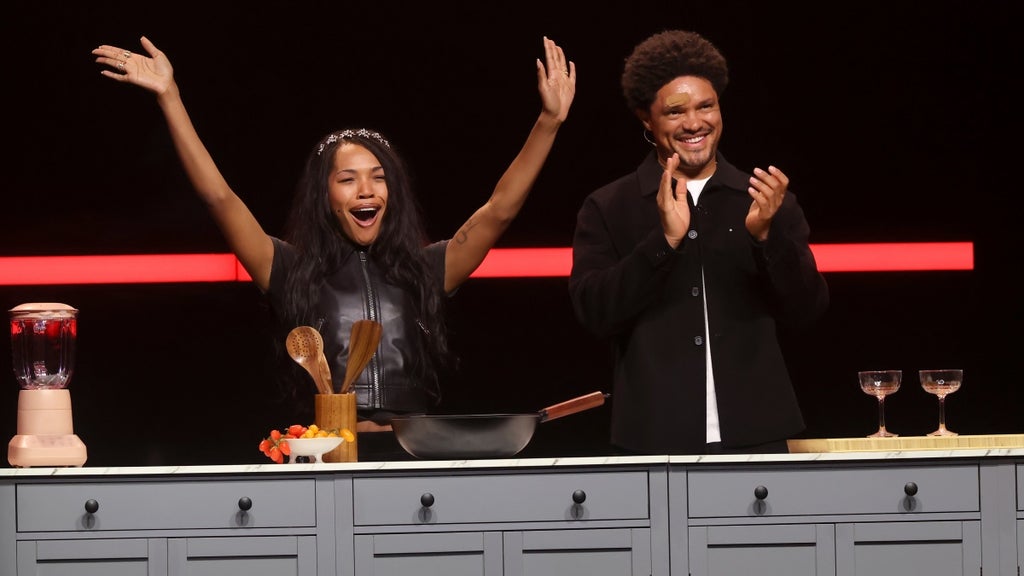
No one in Hollywood can stop talking about microdramas or the creator economy, and that remained true during upfronts. But instead of leading presentations, they were trotted out sparingly.
Disney was the only player that largely ignored the growing phenomenon. A performance from the Savannah Bananas and gaining the rights to the Banana Bowl were the company’s only nod to the creator landscape.
NBC, Amazon and WBD were more aggressive. Peacock announced that a new slate of microdramas starring Bravo talent will be coming to the streamer, adding to the platform’s ongoing investment in original shortform content. TelevisaUnivision will also produce 100 new shortform vertical titles in 2026, up from 40 titles last year.
Surprisingly, WBD’s big creator investment came from the Food Network. After previously partnering with TikTok on the network’s food creator Hot List, Food Network announced it will be teaming up with the platform for more in-person events, making more YouTube originals and partnering with Nick DiGiovanni, the biggest food creator in the world.

Creator and shortform content were far more integral to Fox and Netflix’s presentations. Fox spent nearly as much time talking about its free ad-supported streamer Tubi as it did talking about live sports. Tubi CEO Anjali Sud sold the platform as a “path to bring creators to Hollywood” and emphasized that Tubi has over 100 million monthly active users watching over 10 billion hours a year. Fox’s Creator Studios was also mentioned.
After its major podcasting push at the beginning of the year, Netflix announced that advertisers will soon be able to place ads on Netflix’s mobile vertical feed as well as on video podcasts. The streamer’s deals with creators like Ms. Rachel, Salish and Jordan Matter, while Mark Rober and Alan Chikin Chow also got a shoutout. And while YouTube had Alex Cooper, Netflix had Alix and Ashtin Earle, who will be starring in its new reality show “Earle Meets World” later this year.
It’s always difficult to tell how much name recognition creators have among TV advertisers, the same few hundred individuals who have been going to these events for years. Perhaps it was the fact that YouTube was the last upfront of the week, the Chappell Roan concert or the myriad of reports that claim creator-focused campaigns can generate more sales and brand awareness for cheaper, but one thing was certain: YouTube’s presentation was the most energetic of the week.
AI infiltrates Madison Avenue
As this year’s upfronts show, media companies want to extend AI’s use to Madison Avenue.
Paramount, Fox, Warner Bros. Discovery, Disney, NBCUniversal and Netflix all teased that they were developing AI agents to help clients with planning campaigns as well as managing and purchasing ads. Netflix, Disney, WBD, NBCU and Amazon also touted capabilities that would help advertisers adjust the messaging and formatting of their creative assets in real time.
Additionally, Netflix said it was using AI to help test new personalized ad loads and frequency caps that dynamically adjust the ads its members see based on their viewing behaviors, while Amazon was using the tech to personalize interactive video ads for Prime Video series and films based on viewer shopping behavior.

Fox also touted a partnership with OpenAI to integrate ChatGPT into Fox One, and said it is using AI to analyze every second of raw video in real time to extract “topic, talent, mood, and vibes,” which would be used in combination with performance data to determine how content and ads are resonating with its audiences.
WBD said it would team up with KERV.ai for contextual advertising for individual scenes in its programming on HBO Max, with plans to expand the feature across the rest of its streaming footprint at a later date, and is incorporating AI into viewer-controlled shoppable pause ads.
YouTube said it would use AI to surface videos tailored to a brand’s desired moment for custom sponsorships. It also plans to use its proprietary AI models including Gemini, Nano Banana and Veo to help advertisers go from creative brief to final production with just a few prompts.
The “Ellison in the room”
While Seth Meyers briefly took a jab at the Paramount-Warner Bros. Discovery merger during his upfront monologue at NBCUniversal’s presentation on Monday, talk of the $110 billion deal didn’t get all that much attention.
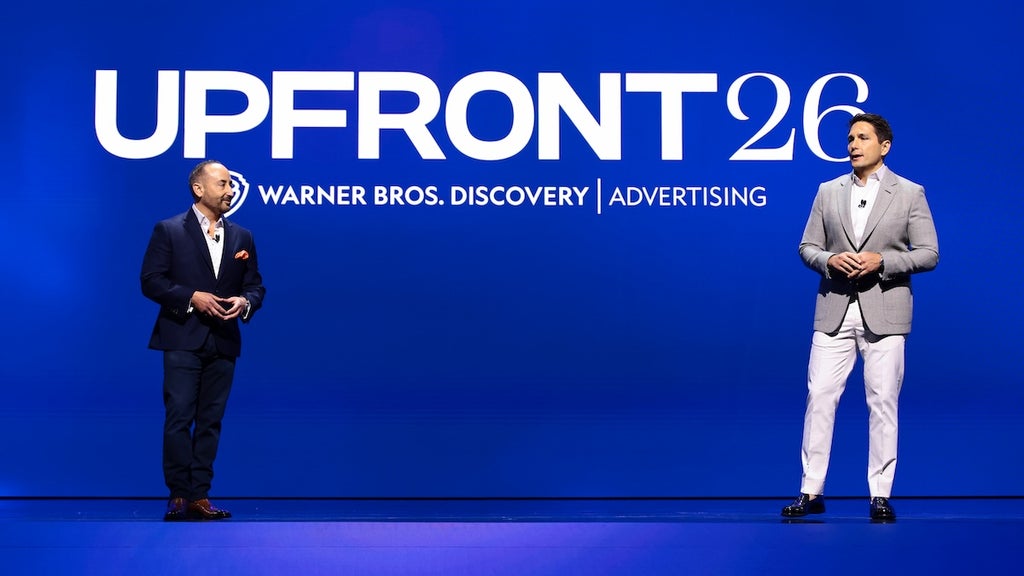
On Wednesday, WBD co-ad sales chiefs Ryan Gould and Robert Voltaggio acknowledged the “Ellison – I mean elephant in the room,” but downplayed the potential impact it could have on negotiations with advertisers. The pair looked to send a message of stability, emphasizing that they’ve “been through change and challenges before.”
“The upfront negotiation is based off a futures market. So the market has this acquisition priced in. Every conversation that we have is predicated on an assumption that within this cycle, we will be one company,” Gould told TheWrap in an interview. “I don’t think that scale is a definite win, but I do think that scale helps with consideration favorability. That has reflected itself in conversations that we’ve had.”
“Our clients understand that regardless of who owns these endpoints, Ryan and I are going to steward them in the complete spirit of partnership,” Voltaggio added. “Although it may change hands, it’s still the most premium IP in market and that’s a differentiation point. When clients are debating how they spend in an upfront cycle, they still want to be embedded in these properties. So there’s stability in that.”

Similarly, during an upfront dinner in New York City last month, Paramount Skydance CEO David Ellison reiterated his focus on building a leading media and entertainment company, but did not specifically mention WBD.
“It’s not going to impact anything in this year’s negotiations. We are still going through regulatory as is well documented,” Paramount ad sales chief Jay Askinasi told TheWrap last month. “Clients ask, quite frankly, not as often as you think, because they know we can’t do much about it. But we’re super excited about the potential opportunity, the marketplace is excited about it and we’re all hopeful.”
In December, eMarketer projected that Paramount could generate $449 million in ad revenue from the WBD merger in 2027, assuming it is finalized in 2026 and a streaming service bundle launches the following year. Pending regulatory approval, it is expected to close by the third quarter.
The numbers game
The upfront was once again an opportunity for Big Tech to flex its massive reach to consumers.
Prime Video alone disclosed over 315 million monthly viewers globally watching its ad supported tier back in November, including 130 million in the United States. Meanwhile, YouTube touted a reach of over 244 million people ages 18 and older across all devices in the U.S., or 91% of the total population, per Nielsen.
Netflix also provided an update on its ad tier, which now reaches more than 250 million global monthly active viewers in the 12 markets where it’s available, with over 80% of ad members actively watching every week. The ad-supported plan will expand to 15 new countries in 2027, including Austria, Belgium, Colombia, Denmark, Indonesia, Ireland, Netherlands, New Zealand, Norway, Peru, Philippines, Poland, Sweden, Switzerland and Thailand.
Legacy media boasted less about its reach during upfront presentations, though it still remains massive despite the decline of linear TV. In the fourth quarter, Nielsen reported that 81.1% of viewing on streaming for adults ages 18 to 49 occurred on ad-supported tiers of platforms like YouTube, Netflix, Disney+, Hulu, Prime Video, HBO Max, Peacock and Paramount+, while the remaining 19% came from FAST platforms like The Roku Channel, Tubi and Pluto TV.

Paramount has an audience of over 200 million unique viewers per month across its linear and digital platforms, including 165 million on broadcast and cable and over 115 million on streaming. Meanwhile, NBCUniversal has 286 million monthly active users across platforms, with around 100 million unique users at Peacock.
Disney reported that audiences watched 51 billion hours of content across its combined linear and streaming platforms, but declined to provide an update on overall reach. Last year, it disclosed a total of 164 million monthly ad-supported viewers across Disney+, Hulu and ESPN+. In 2024, ex-CEO Bob Iger also revealed that around 60% of new streaming subscribers are purchasing ad-supported plans, including 37% in the U.S. and 30% globally.
Meanwhile, Fox touted 100 million monthly active users at its free ad-supported streamer Tubi, but has not broken out figures for its new streaming service Fox One. Warner Bros. Discovery also doesn’t break out its ad-supported reach, but executives have previously noted that around 50% of new streaming subscribers choose ad-supported plans.
